

Anaemia and fatigue in Morocco: behind the persistent exhaustion that takes hold often lies an iron deficiency — the world’s most prevalent nutritional shortfall. Here is how to recognise the signals, understand the science of energy, and rebuild your foundation naturally, with the right Moroccan dietary habits and the support of Alphavital.
You climb one flight of stairs and your heart races. You sleep eight hours and wake up already drained. Your hair falls out a little more, your nails break, your complexion dulls, and that mid-morning urge to nap never quite leaves you. We tend to blame stress, the children, work. Yet in a large proportion of cases, the body is sending a much more precise message: it is lacking iron, the quiet mineral without which blood can no longer transport oxygen.
In Morocco, this is far from a fringe issue. Iron-deficiency anaemia disproportionately affects women of childbearing age, adolescent girls, pregnant women, and young children. Our nutrition team receives messages every week describing the same symptoms: a fatigue that persists despite rest. The good news is that this terrain can be worked on. Moroccan cuisine is rich in iron-dense foods, and a few straightforward adjustments are often enough to reverse the trend — provided you understand what is happening.
By Houda Khaldi, Editorial Advisor in Natural Nutrition · Published 4 July 2026 · 18-minute read
Contenu de la page
- 1 Key takeaways
- 2 Anaemia and fatigue in Morocco: what your body is trying to say
- 3 The science of energy: iron, B9 and B12 — the blood trio
- 4 Rebuilding your foundation through food: Moroccan habits that work
- 5 When diet is no longer enough: the role of a targeted supplement
- 6 Natural energy: beyond iron, the lifestyle
- 7 Ramadan, growth, pregnancy: the periods to watch
- 8 Three readers share their stories
- 9 The Alphavital response: a two-stage approach
- 10 Frequently asked questions about anaemia, fatigue, and iron in Morocco
- 10.1 How do I know if my fatigue comes from anaemia?
- 10.2 Which foods are rich in iron in Morocco?
- 10.3 Do iron, B9, and B12 really help against fatigue?
- 10.4 Can a spirulina course replace a treatment for anaemia?
- 10.5 How long does it take to rebuild iron reserves?
- 10.6 Why should you not drink tea during a meal?
- 10.7 Are there precautions with iron supplements?
- 11 In summary
Key takeaways
- Anaemia-related fatigue most commonly stems from an iron deficit: without iron the body produces less haemoglobin, and the blood carries less oxygen to muscles and the brain.
- Iron-deficiency anaemia is the most common nutritional disorder in the world; it strikes primarily menstruating women, pregnant women, and young children, according to the World Health Organization.
- Iron, vitamin B9 (folate), and vitamin B12 contribute to the normal formation of red blood cells and to reducing fatigue — effects recognized by European food safety authorities.
- Moroccan cuisine offers a favourable foundation: lentils, chickpeas, meat, liver, spinach, dates, dried apricots, and a glass of vitamin C-rich juice that multiplies the absorption of plant-source iron.
- Alphavital proposes a two-stage approach: a targeted Iron + vitamins B9 and B12 supplement to rebuild reserves, and spirulina, the superfoods naturally rich in iron, to sustain everyday energy.
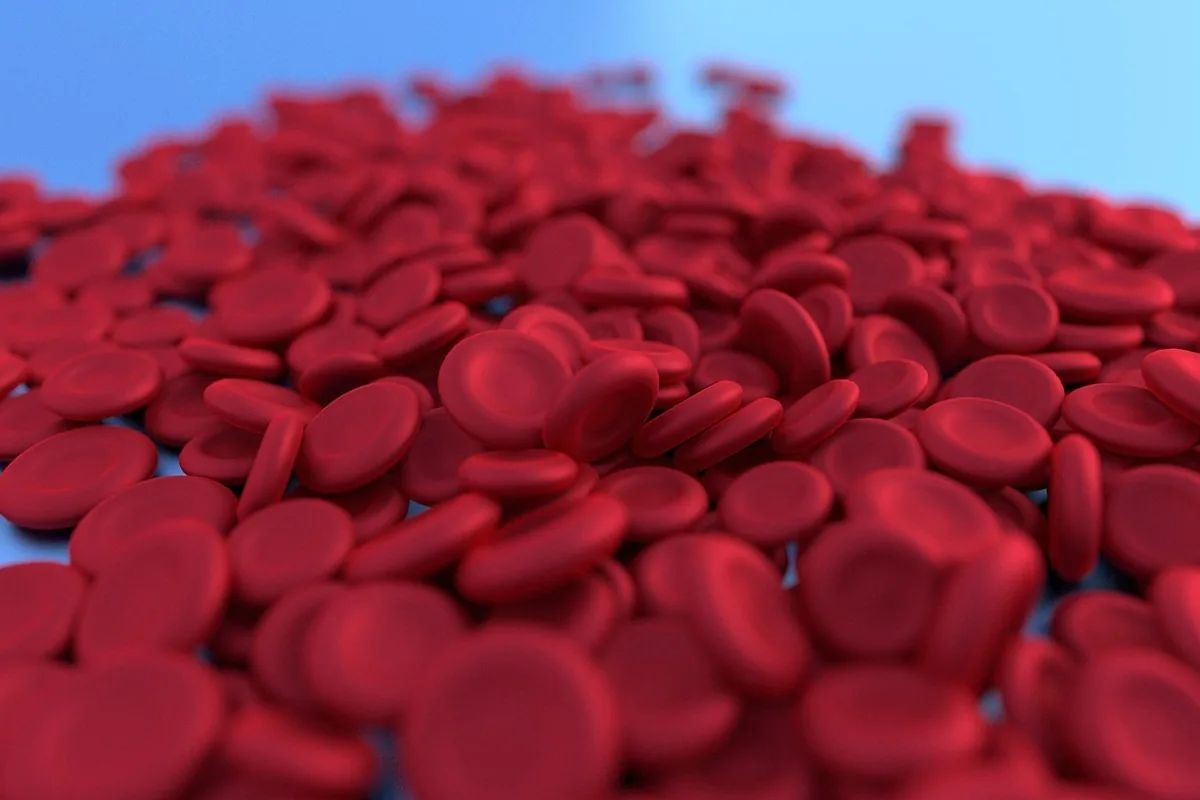
Anaemia and fatigue in Morocco: what your body is trying to say
Let us begin by defining the terms. Anaemia denotes a drop in blood haemoglobin levels, or in the number of red blood cells. Haemoglobin is the protein housed inside red blood cells that captures oxygen in the lungs and delivers it to every organ. At the core of haemoglobin sits an atom of iron. Without iron there is no functional haemoglobin. Without haemoglobin, oxygen can no longer reach its destination properly.
For everyday support, the Energy & Fatigue Bundle combines Mag-Complex, iron B9/B12 and vitamin C. Browse our Daily Energy range.
The result is felt everywhere. Muscles slow down, the brain struggles to concentrate, the heart compensates by beating faster. That is why anaemia fatigue is not simple tiredness: it is a background breathlessness, a weakness that does not yield to rest. A landmark medical review published in The Lancet reminds us that iron-deficiency anaemia remains the leading cause of anaemia on the planet, as detailed in this reference synthesis available on PubMed1.
Anaemia is neither a fatality nor a fatigue in the mind. It is a measurable deficiency — most often a lack of iron — and that is precisely what makes it so amenable to correction.
To visualise the mechanism, nothing beats an illustrated explanation. In this short video, the health programme Allo Docteurs describes in plain terms what iron deficiency is and why it leads to anaemia.
Symptoms that should prompt attention
Iron deficiency develops slowly, which makes it insidious. We grow accustomed to being tired and rationalise it away. Yet certain signals recur with regularity and deserve a pause. Here are those our team hears most often.
- Persistent fatigue that does not improve after a full night of sleep.
- Unusual breathlessness during moderate exertion, such as climbing stairs.
- Pallor of the complexion, the inner eyelids, and the lips.
- Palpitations or a racing heart at rest.
- Increased hair shedding, fragile nails or ridged nails.
- Headaches, dizziness, difficulty concentrating.
- Occasionally, a strange craving for ice or non-food substances.

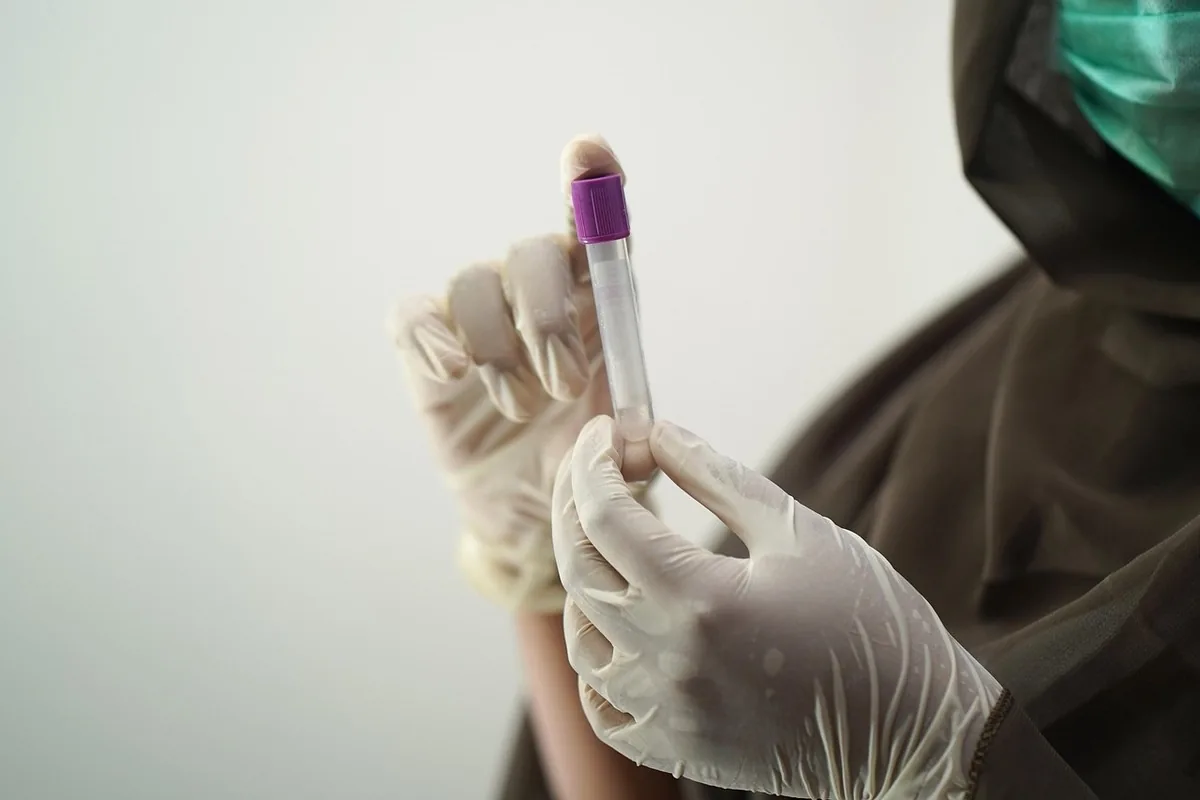
None of these signs is sufficient on its own to reach a diagnosis. But when they accumulate, they paint a coherent picture. The right reflex is not to guess: it is to consult a healthcare professional and request a blood panel. A simple blood draw measuring haemoglobin and ferritin resolves uncertainty within days. The US National Library of Medicine provides a clear overview of the signs and workup for anaemia on MedlinePlus11.
Why women are on the front line
Biology explains much of it. Every month, menstruation involves blood loss — and therefore iron loss. During pregnancy, iron requirements increase markedly to support the baby and the expansion of blood volume. Breastfeeding and closely spaced pregnancies deplete reserves further. A review published in the New England Journal of Medicine underlines how sharply these life stages heighten the risk of deficiency, as reported in this reference article on PubMed2.
Globally, the picture is unambiguous. The World Health Organization estimates that anaemia affects a very significant proportion of women of childbearing age, and the regions of Africa rank among the most affected, as detailed in the WHO fact sheet on anaemia3. Morocco is part of this regional reality. This is therefore neither a personal weakness nor an inevitable fate: it is a public health issue that every individual can, at their own level, help to address.
The science of energy: iron, B9 and B12 — the blood trio
To understand how to recover energy, we need to step briefly inside the red blood cell factory. The body produces millions of them every second in the bone marrow. This mass production demands precise raw materials. Three of them form an indispensable trio: iron, vitamin B9, and vitamin B12.
Iron: the core of haemoglobin
Iron is the centrepiece. Nestled at the centre of haemoglobin, it binds to oxygen and transports it. It also plays a role in muscle myoglobin and in cellular energy production. European authorities recognise that iron contributes to the normal formation of red blood cells and haemoglobin, as well as to the normal transport of oxygen throughout the body. These claims are listed in the EFSA scientific opinion on the effects of iron4. Iron also contributes to reducing fatigue, which logically closes the link between deficiency and exhaustion. For those wishing to explore reference intakes, the US National Institutes of Health offers a comprehensive fact sheet on iron and daily requirements9, while the French food safety agency details guidelines on iron in the diet10.
The body stores iron as ferritin, a kind of reserve it draws on when needed. That is why a ferritin measurement is so informative: it reveals the state of the stores before haemoglobin even begins to fall. You can be iron-depleted in reserve while maintaining, for a time, normal haemoglobin. Fatigue, however, may already be present.
Vitamin B9 and vitamin B12: the architects
If iron is the brick, vitamins B9 and B12 are the architects who ensure the proper construction of red blood cells. Vitamin B9, or folate, participates in the normal formation of blood and in cell division. Vitamin B12 plays a complementary role in the manufacture of red blood cells and in the functioning of the nervous system. Crucially, both vitamins contribute to reducing fatigue — an effect recognised by European authorities, as specified in the EFSA opinions on folate5 and on vitamin B126.
Iron provides the material; folate and B12 direct the construction. It is this trio — not any single element in isolation — that sustains a healthy production of red blood cells and stable energy.
This trio logic explains why our team favours a combined approach rather than iron alone. Replenishing iron while overlooking the vitamins that orchestrate its deployment is like delivering bricks without a building plan. That is precisely the philosophy behind Alphavital’s Iron, B9 and B12 formula: bringing the raw material and its conductors together in a single daily gesture.
The key — and often overlooked — role of vitamin C
There are two main forms of iron in food. Haem iron, found in meat, fish, and liver, is well absorbed by the body. Non-haem iron, found in plants, legumes, and cereals, is less readily assimilated. This is where a precious ally enters: vitamin C. Consumed at the same meal, it markedly increases the absorption of plant-source iron. This effect is so solid that European authorities have validated it: vitamin C improves the absorption of non-haem iron, as confirmed by the EFSA opinion on vitamin C and iron absorption7.
The daily translation is simple and delicious. A squeeze of lemon over lentils, a tomato salad with chickpeas, a glass of orange juice or a piece of fresh fruit at the end of a meal: all are gestures that transform a decent dish into a genuinely effective iron-boosting meal. Conversely, tea and coffee consumed during the meal slow absorption; it is better to enjoy them an hour later.
Rebuilding your foundation through food: Moroccan habits that work
Before any supplement comes the table. And from that perspective, Moroccan cuisine is a genuine iron treasure — provided certain dishes are brought back to centre stage and the right combinations are made. Let us take a tour of the larder.
Legumes: the pillar of tradition
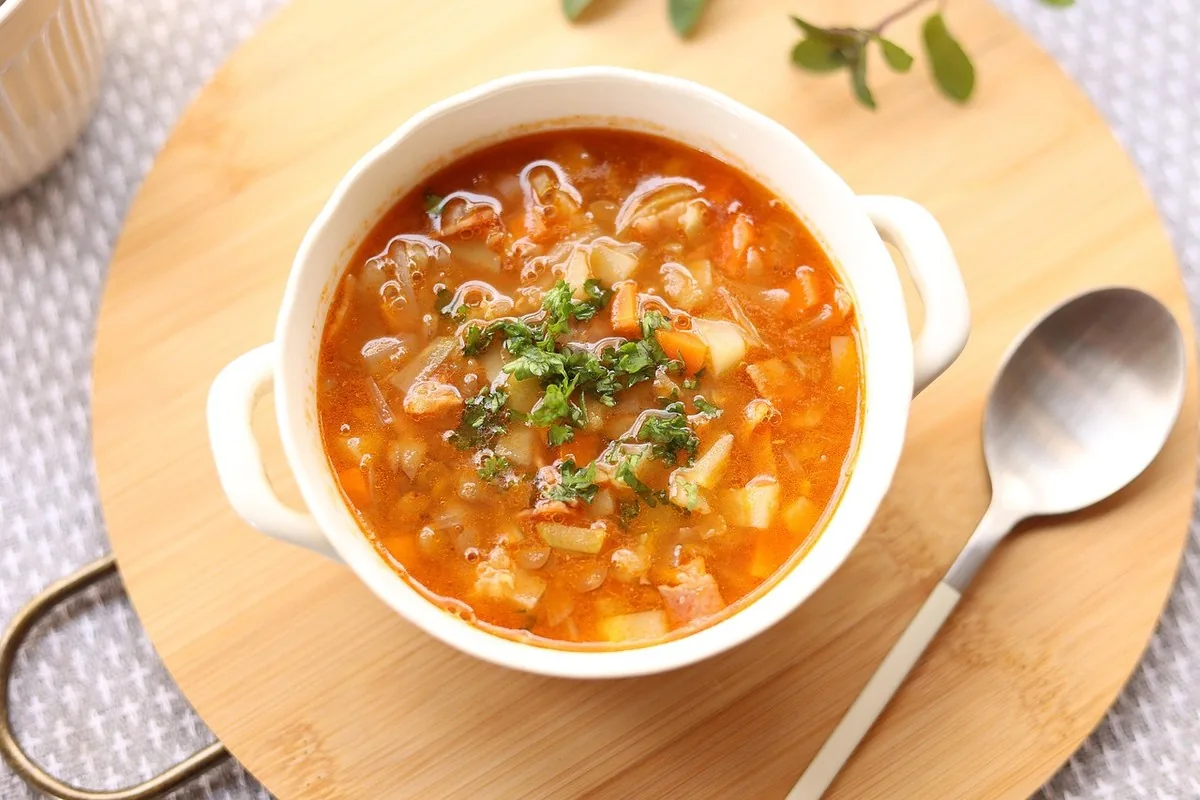
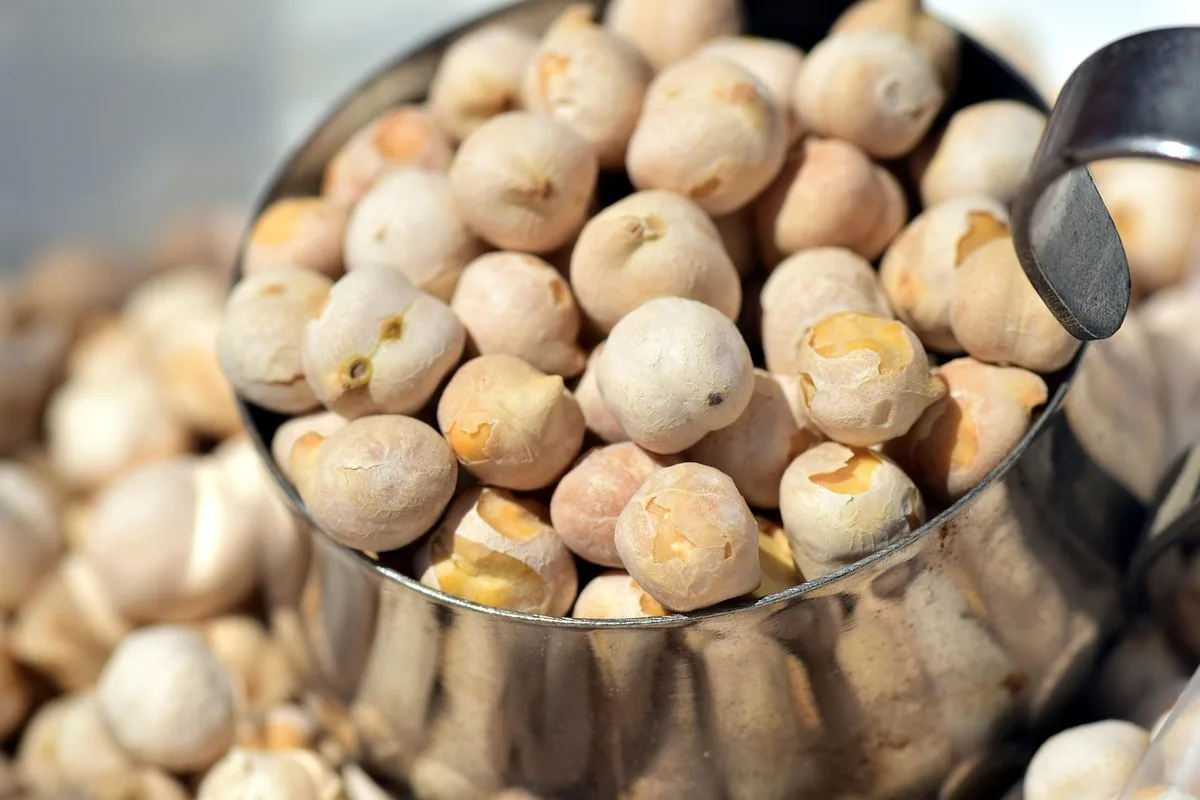
Lentils, chickpeas, broad beans, white beans: legumes are champions of plant-source iron and folate. They hold pride of place in our culinary heritage, from harira to tagines and loubia. A bowl of lentils or a plate of chickpeas delivers iron, fibre, and plant protein all at once. The secret to getting the most out of them: pair them with a source of vitamin C — tomato or lemon, both omnipresent in our recipes.
A grandmother’s tip, validated by nutritional science: soaking legumes before cooking and cooking them thoroughly reduces the presence of phytates — compounds that hinder iron absorption. The overnight soak is not just a practical habit; it genuinely improves iron bioavailability.
Meat, fish, and liver
Haem iron — the best-absorbed form — comes from animal products. Red meat, in reasonable quantities, is a good source. Liver, long fallen out of fashion, is one of the richest foods in both iron and vitamin B12; it deserves, in moderation, a return to our menus. Fish and poultry round out the picture. For those who eat little or no animal products, the strategy shifts to leaning more heavily on legumes, whole grains, dried fruits, and vitamin C pairings.
Dried fruits and dates: the energy of the land
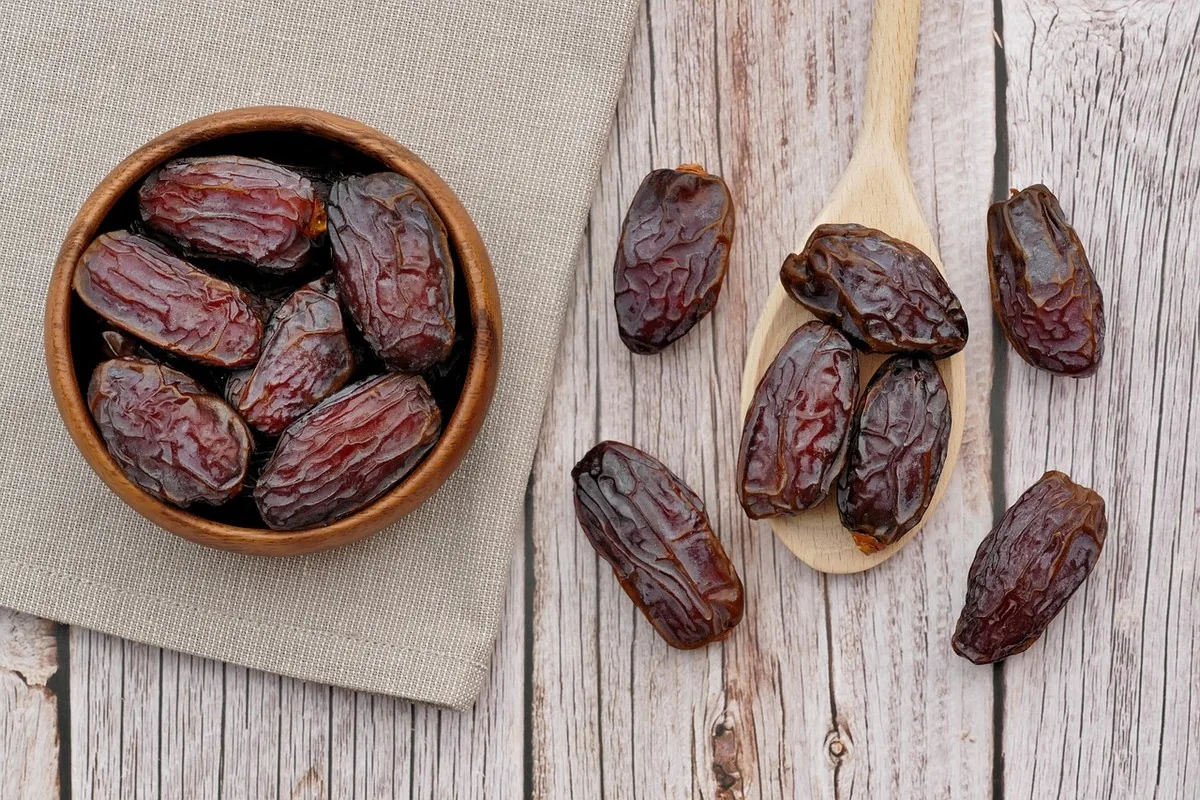
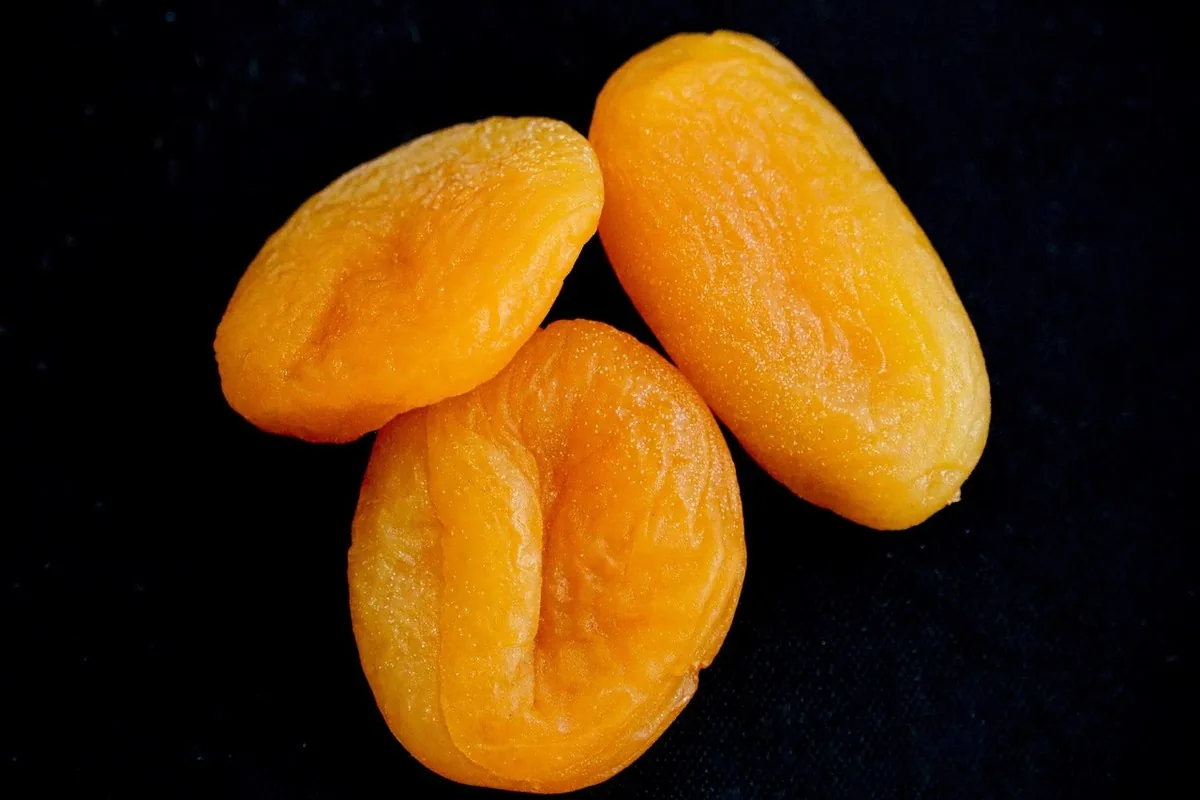
Here is a treasure of Moroccan heritage. Dates — ubiquitous at the breaking of the fast and at moments of sharing — provide iron and natural sugars that sustain energy. Dried apricots, raisins, dried figs, and almonds complete this satisfying picture. A handful of dried fruit as a snack is both a cultural and nutritional gesture.
A Moroccan iron reference table
For quick orientation, here is a concise reference covering the main iron-rich food families present in our cuisine, along with the gesture that optimises their effect.
| Food family | Moroccan examples | Optimising gesture |
|---|---|---|
| Legumes | Lentils, chickpeas, broad beans | Soak, then add lemon or tomato |
| Animal products | Red meat, liver, fish | Haem iron, well absorbed |
| Leafy vegetables | Spinach, chard, parsley | Add a vitamin C source |
| Dried fruits | Dates, dried apricots, raisins | As a snack, away from tea and coffee |
| Superfoods | Spirulina, moringa | As a regular supplement |
One final point deserves attention. Mint tea — so dear to our culture — contains tannins that slow iron absorption when drunk during a meal. There is no need to give it up: simply savour it an hour after eating rather than during. A small shift in timing, a significant benefit for iron reserves.
When diet is no longer enough: the role of a targeted supplement
Diet first, always. But there are situations where the need exceeds what the table can cover alone. After months of heavy periods, during pregnancy, during a period of growth, or simply when reserves are already low, a well-formulated supplement becomes a relevant ally. It does not replace a balanced diet: it supports it, while the foundation is being rebuilt.
But the formula must be coherent. Iron in isolation, at the wrong dose or without proper support, often delivers disappointing results and digestive discomfort. Our team advocates a different approach: pairing iron with the vitamins that orchestrate its use, at doses that respect the framework set by the authorities, and with genuine traceability. That is the condition for a supplement worthy of trust.
Spirulina against anaemia in Morocco: the energy superfood
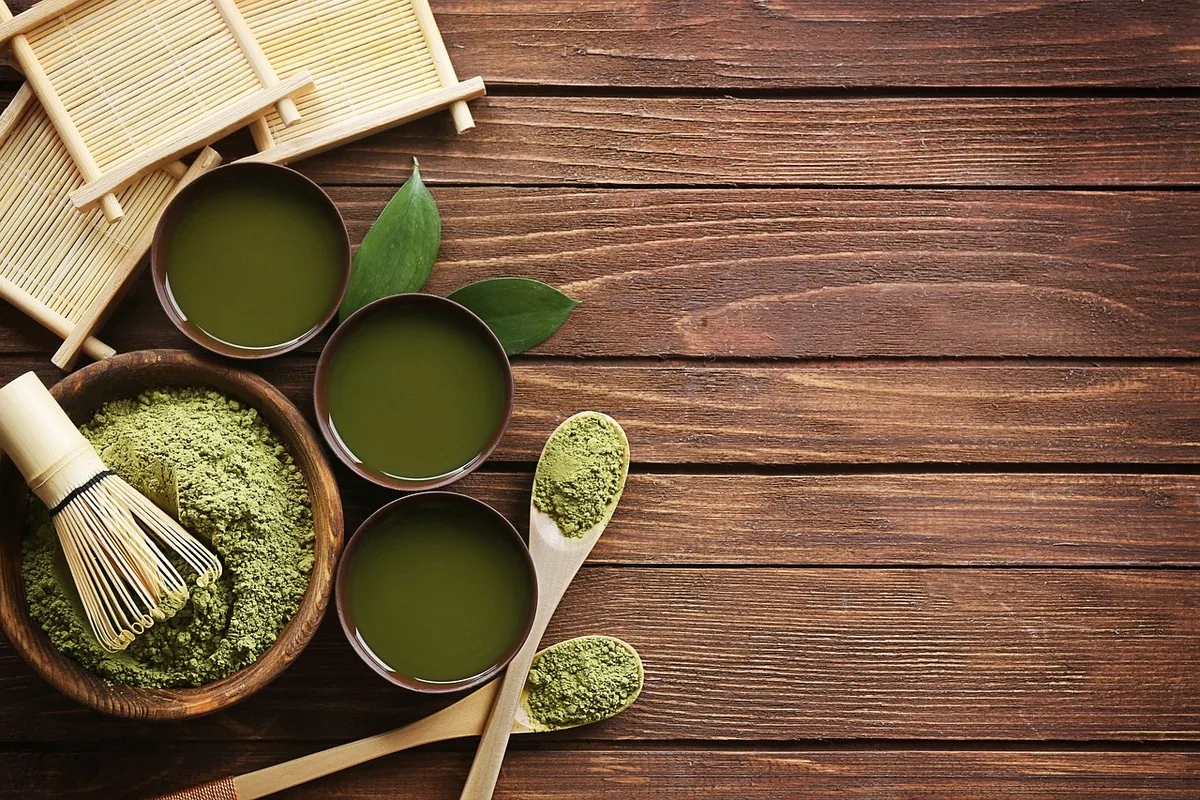
Among superfoods, spirulina holds a special place. This deep-green microalgae is one of the most concentrated plant-source foods for iron, complete proteins, and antioxidant pigments. Used for centuries by various peoples, it has been the subject of extensive scientific work. A review published in Archives of Toxicology catalogues its antioxidant and immunomodulatory properties, as detailed in this scientific synthesis on PubMed8.
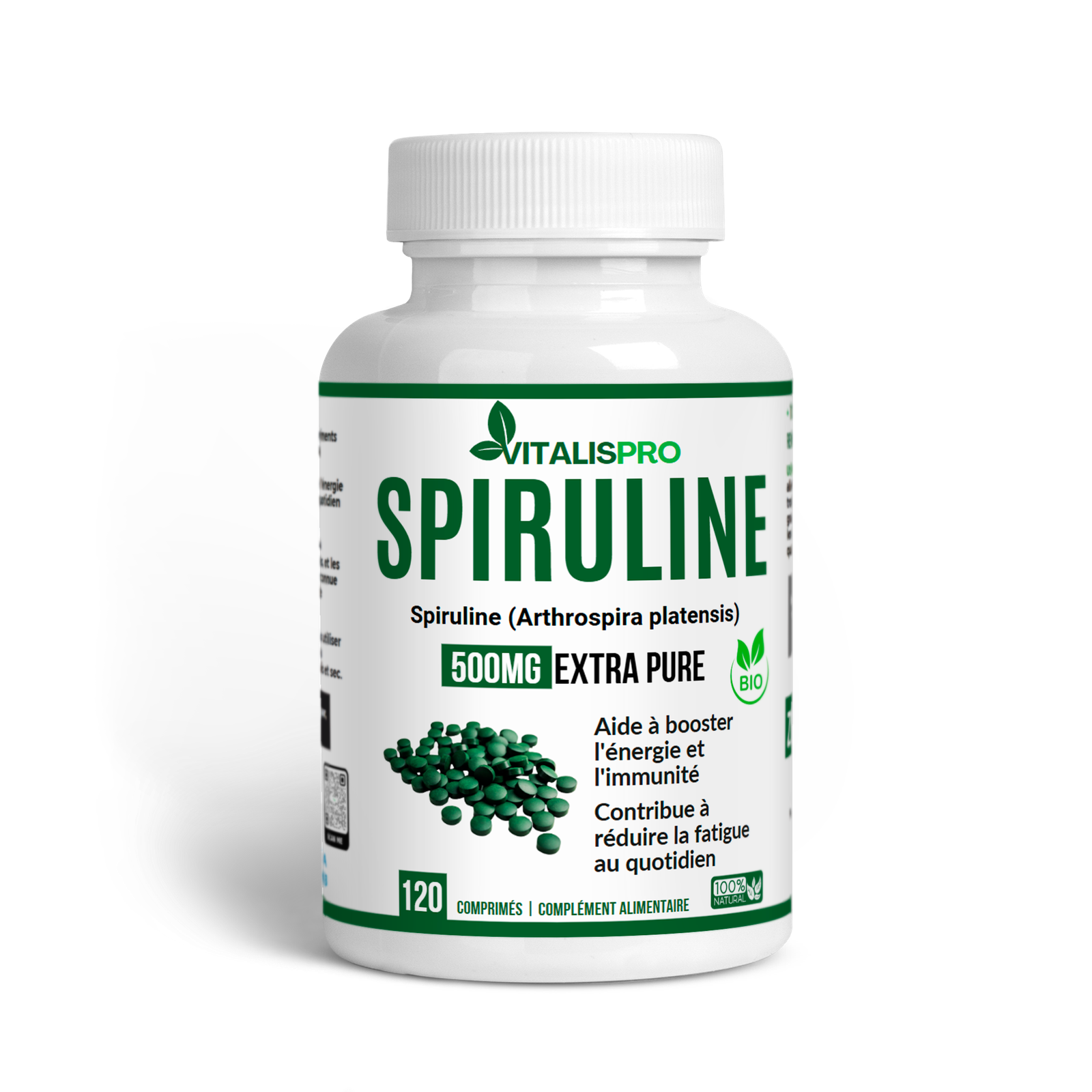
Spirulina is not a substitute for medical care for established anaemia. But as a foundational support — as a nutrient-dense food integrated into a vitality routine — it makes good sense. That is why Alphavital offers pure spirulina 500 mg, conceived as a simple daily gesture to sustain energy, immunity, and overall foundation across the seasons.
Using an iron supplement correctly in Morocco
A few guidelines prevent the most common errors. Iron is absorbed better away from tea, coffee, and dairy products, which all slow its assimilation. Pairing it with a vitamin C source improves its effect. Consistency is paramount: it takes several weeks — sometimes months — for reserves to be rebuilt. A follow-up blood panel after a course allows you to verify that ferritin has genuinely risen. And in case of any doubt, ongoing treatment, or pregnancy, the advice of a healthcare professional remains the compass.
A good iron supplement is not just a dose. It brings together iron, the B9 and B12 vitamins that orchestrate it, controlled dosages, and genuine traceability.
Natural energy: beyond iron, the lifestyle
Iron is central, but it does not act alone. Sustained energy rests on three legs: nutrient-dense eating, restorative sleep, and a lifestyle that spares the body. Neglecting one weakens the whole.
Sleep: the primary fuel
No supplement compensates for short nights. Sleep is the time when the body repairs itself and recharges. A consistent bedtime, a cool and dark bedroom, a screen put away an hour before sleeping: these simple habits weigh heavily on tomorrow’s energy. To go deeper on this dimension, our team has gathered its guidelines in the stress and natural sleep guide.
Movement — paradoxically
Fatigue might suggest absolute rest is the answer. That is partly true during marked anaemia, where effort must be adapted. But outside these phases, regular moderate physical activity stimulates the production of red blood cells and improves oxygenation. Daily walking, accessible to everyone, remains one of the best energy habits. The body responds to demand: the more you move with measure, the more it adapts.
Stress: the energy thief
Chronic stress exhausts. It disrupts sleep, unsettles appetite, and maintains a permanent state of tension that ranks among the leading perceived causes of fatigue. Learning to release — through breathing, regular breaks, or a quiet moment shared with family over tea — is not a luxury. It is an energy strategy in its own right. To support the body during demanding periods, our team also offers guidance in the comprehensive guide to strengthening natural defences, complementary to the question of energy.
Ramadan, growth, pregnancy: the periods to watch
Certain moments in life and in the calendar place greater demands on iron reserves. Anticipating them is preferable to suffering the consequences.
The month of Ramadan
During Ramadan, meals are concentrated into a few hours and iron intake can drop if care is not taken. A few habits help greatly: prioritising at f’tour a legume-rich harira, including dates and dried fruits, and slipping in a vitamin C source at s’hour. The aim is not to eat more, but to eat densely — choosing foods that genuinely cover requirements.
Adolescence and growth
Adolescent girls face two compounding factors: rapid growth that consumes iron, and the onset of menstruation. This is a period calling for vigilance, especially as young people’s diets can become unbalanced. Ensuring regular meals rich in legumes, lean meat, and fruit lays solid foundations for energy and academic concentration.
Pregnancy and beyond
Pregnancy multiplies the need for iron and folate. This is the stage where medical follow-up is essential, and supplements are often prescribed by the healthcare professional accompanying the expectant mother. Our role is never to replace that follow-up, but to emphasise how much an iron- and folate-rich diet prepares favourable ground before, during, and after pregnancy.
To go further on dietary iron absorption, this educational video distinguishes between haem and non-haem iron and highlights the winning combinations at mealtimes.
The feedback our team receives is worth more than all the speeches. Here are three accounts, shared with their authors’ consent.
I was carrying a fatigue I blamed on the children. A blood panel showed ferritin at rock bottom. I rethought my plate, added lentils and an iron course, and within a few weeks I recovered a breath I thought I had lost. — Nawal, Casablanca
As a student I was falling asleep in class without understanding why. My mother pushed me to see a doctor. Since paying attention to iron and taking spirulina in the morning, I get through my days without that fog. — Imane, Fès
After my second pregnancy, I was exhausted and pale. With my doctor’s agreement, I supported my recovery with an iron-rich diet and a supplement. What struck me was simply feeling alive again. — Latifa, Marrakech
These accounts illustrate a simple truth: the most lasting results come from combining diet, lifestyle, and — when useful — a well-chosen supplement. A question before you start? Our team responds directly via the Alphavital contact page.
The Alphavital response: a two-stage approach
Facing fatigue and anaemia, Alphavital has designed a coherent approach, conceived as a journey rather than an isolated product. It unfolds across two complementary stages.
The first stage aims to rebuild reserves. The Iron, vitamin B9 and B12 formula brings together the raw material and its conductors: iron for the formation of red blood cells and the transport of oxygen; folate and B12 to orchestrate that production and contribute to reducing fatigue. These effects are recognised by European food safety authorities. Each batch is traceable, and dosages respect the framework set by the authorities.
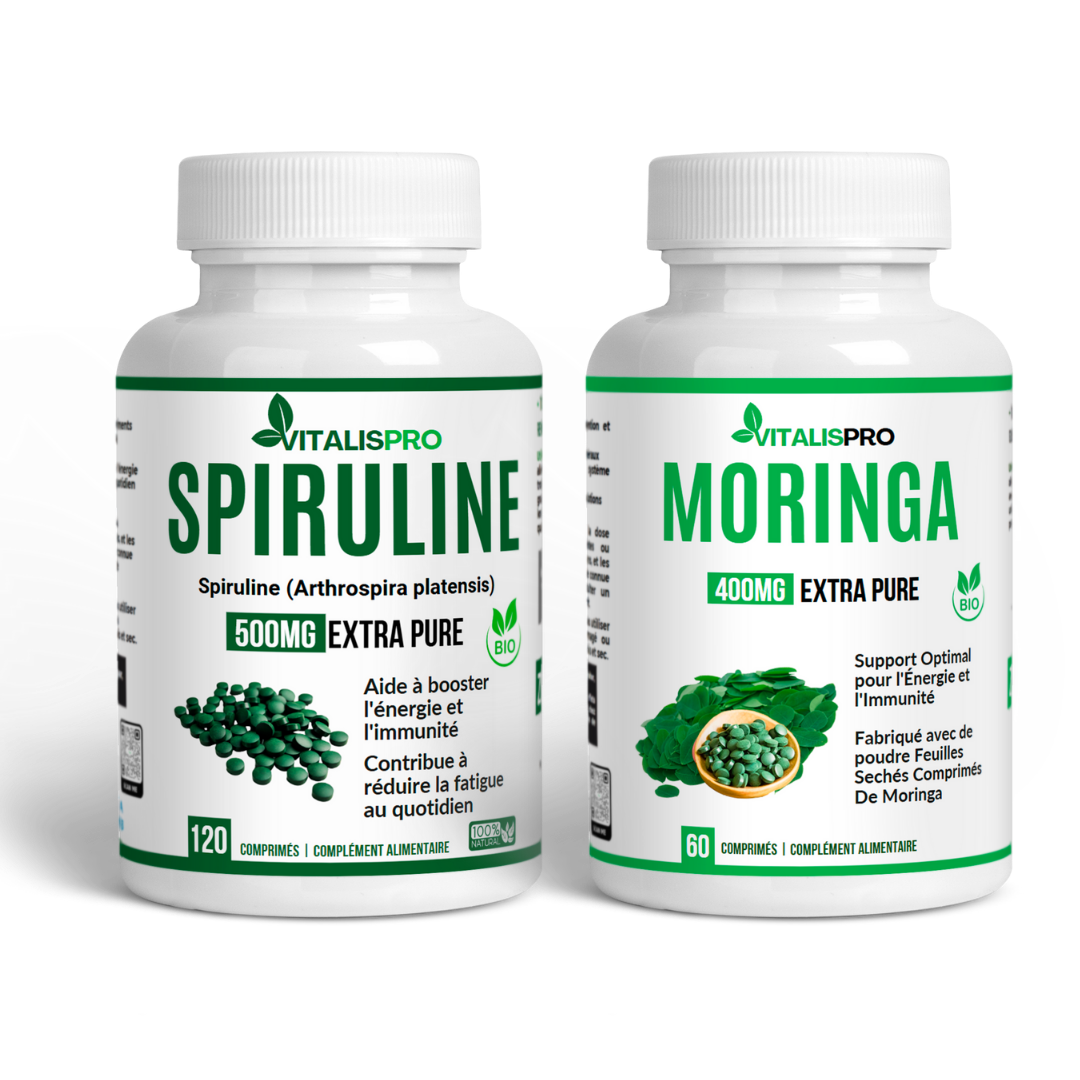
The second stage aims to maintain the foundation over the long term. Pure spirulina 500 mg, a superfood naturally rich in iron and antioxidants, integrates as a daily vitality gesture, once reserves have been restored. This gentler foundational logic accompanies energy across the seasons. For those aiming at broader support, Alphavital also offers the spirulina and moringa combination, which brings two superfoods together in a single course. These formulas are part of our range dedicated to anaemia and iron, conceived as a coherent whole, and within the Energy and Vitality category for the maintenance dimension.
Frequently asked questions about anaemia, fatigue, and iron in Morocco
How do I know if my fatigue comes from anaemia?
Only a blood panel confirms it. The doctor measures haemoglobin and ferritin, which reflects iron reserves. If fatigue is accompanied by pallor, breathlessness, palpitations, or hair loss, the panel is all the more relevant. Do not guess: consult and request the measurements. It is simple, quick, and decisive.
Which foods are rich in iron in Morocco?
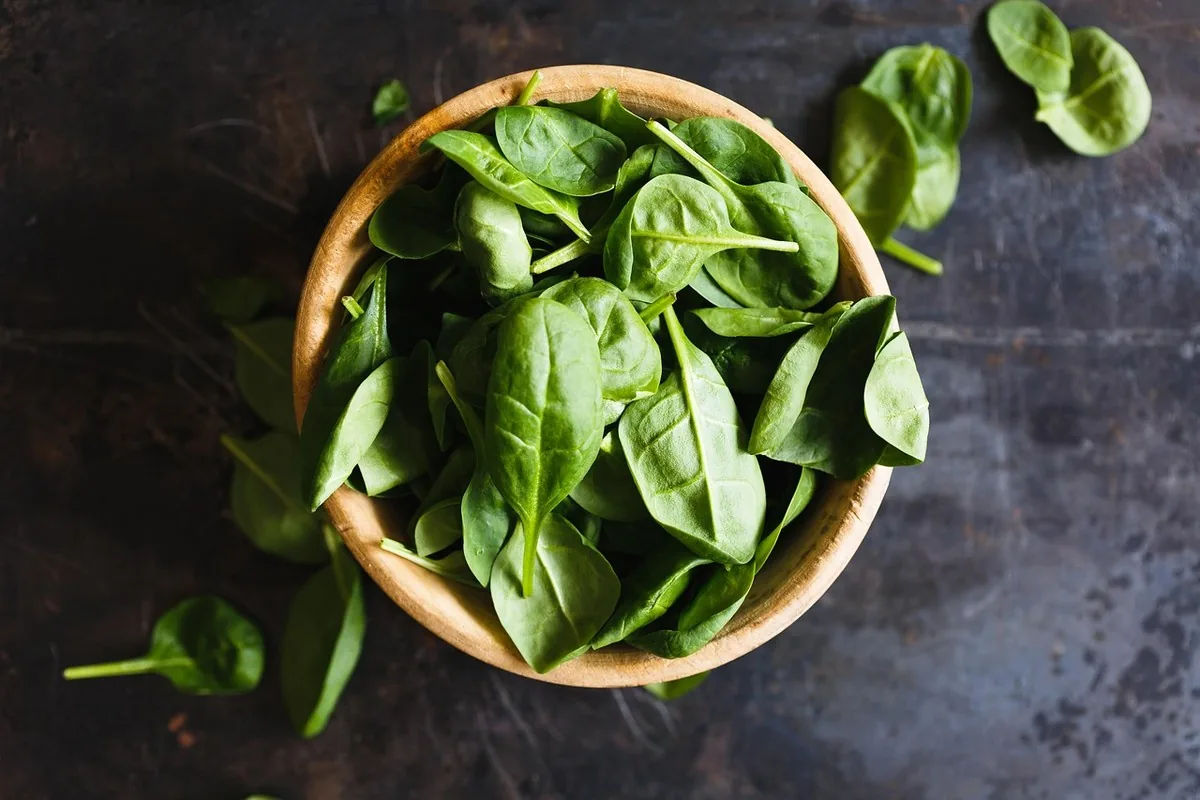
Legumes (lentils, chickpeas, broad beans), red meat, liver, spinach and chard, as well as dried fruits such as dates and dried apricots. The winning reflex is to pair them with a vitamin C source — lemon or tomato — and to keep tea and coffee away from mealtimes.
Do iron, B9, and B12 really help against fatigue?
Yes. European authorities recognise that iron, vitamin B9 (folate), and vitamin B12 contribute to the normal formation of red blood cells and to reducing fatigue. Alphavital’s Iron, B9 and B12 formula brings these three elements together because they act synergistically: iron provides the material; the vitamins orchestrate the production.
Can a spirulina course replace a treatment for anaemia?
No. Spirulina is a superfood rich in iron and antioxidants, useful as a foundational support and for sustaining energy. It does not replace medical care for established anaemia. In the case of a diagnosed anaemia, follow the advice of your healthcare professional; spirulina can accompany a vitality routine once reserves have been rebuilt.
How long does it take to rebuild iron reserves?
It varies with the depth of the deficiency. Haemoglobin often rises within a few weeks, but rebuilding ferritin reserves generally takes several months of consistency. A follow-up blood panel after the course allows you to verify that stores have genuinely been restored. Regularity is decisive.
Why should you not drink tea during a meal?
Tea, like coffee, contains tannins that slow iron absorption — especially plant-source iron. There is no need to give it up; simply shift the timing: enjoy your mint tea an hour after the meal rather than during it. This small adjustment protects iron reserves without taking away any of the pleasure.
Are there precautions with iron supplements?
Yes. During pregnancy, breastfeeding, ongoing treatment, or chronic illness, seek the advice of a healthcare professional before starting. Excess iron is not without consequences: supplementation is most justified when there is a genuine need, ideally confirmed by a blood panel. Respect the indicated doses and choose a controlled and traceable formula.
In summary
Persistent fatigue is not inevitable. In a large proportion of cases it reflects an iron deficiency — the world’s most widespread nutritional shortfall, which disproportionately affects women in Morocco. The science is clear: iron, vitamin B9, and vitamin B12 form the trio that builds healthy red blood cells and helps reduce fatigue. The Moroccan table, rich in legumes, meat, leafy vegetables, and dried fruits, offers remarkable ground — provided you harness vitamin C and keep tea away from mealtimes.
When the need exceeds the plate, a coherent supplement takes on its full meaning: iron and its vitamins to rebuild, spirulina to maintain. That is the path Alphavital has chosen — a transparent approach, faithful to the science, and rooted in our everyday habits. Caring for your iron is not a trend: it is reclaiming your energy, day after day.
About the author. Houda Khaldi is the Editorial Advisor for Natural Nutrition at Alphavital. She translates scientific research into clear, applicable guidelines for everyday life in Morocco.
Disclaimer. The information presented is provided for informational purposes, based on sourced research (PubMed, EFSA, WHO). The Alphavital team does not include healthcare professionals. Consult a qualified healthcare professional before any use, if you are undergoing treatment, pregnant, breastfeeding, or have a chronic condition. Food supplements are not a substitute for a varied and balanced diet or a healthy lifestyle.
Sources and references
- Camaschella C. — Iron deficiency anaemia, landmark review (The Lancet). PubMed
- Camaschella C. — Iron-deficiency anaemia (New England Journal of Medicine). PubMed
- Anaemia — fact sheet and global estimates. World Health Organization
- Scientific opinion on health claims related to iron (haemoglobin and red blood cell formation, oxygen transport, reduction of fatigue). EFSA
- Scientific opinion on health claims related to folate (blood formation, reduction of fatigue). EFSA
- Scientific opinion on health claims related to vitamin B12 (reduction of fatigue, red blood cell formation). EFSA
- Scientific opinion on vitamin C and the absorption of non-haem iron. EFSA
- Wu Q. et al. — Antioxidant, immunomodulatory, and anti-inflammatory activities of spirulina (Archives of Toxicology). PubMed
- Iron — consumer fact sheet (reference intakes, sources, deficiency). NIH Office of Dietary Supplements
- Iron in the diet — guidelines, requirements, and sources. ANSES
- Anaemia — signs, causes, and reference workup. MedlinePlus (NIH)
Food supplements do not replace a varied, balanced diet or a healthy lifestyle. The Alphavital team is not made up of healthcare professionals. Consult a qualified healthcare professional before use.