

Hair and nails never change overnight, which is exactly why so many people give up on a supplement after three weeks. The hair you see in the mirror today started growing months ago. Brewer’s yeast enriched with selenium and zinc works on that slow timeline. This guide shows what the research measured, who should skip yeast, and when to judge your course fairly.
Hair that thins and falls out more than usual. Nails that split and break at the slightest impact. A complexion that dulls and loses its glow. We often attribute these signs to fatigue, stress or age. We forget a simple and ancient truth: visible beauty is nothing but the reflection of what happens inside, at the cellular level. When nutrition is lacking, it shows on the surface first.
Among the food supplements that tradition has long valued, brewer’s yeast occupies a special place. This tiny yeast, Saccharomyces cerevisiae, is far from a trendy ingredient. It has been used for generations as a nutritional concentrate, a true natural factory of B vitamins, minerals and proteins. Enriched with selenium and zinc — two key trace elements for skin and appendages (hair and nails) — it becomes a beauty support of rare coherence. That is the precise combination this guide addresses.
By Houda Khaldi, Editorial Advisor in Natural Nutrition · Published 28 June 2026 · 18-minute read
Contenu de la page
- 1 Key Takeaways
- 2 Brewer’s Yeast: The Long-Underestimated Nutritional Treasure
- 3 Hair, Skin and Nails: Why They Depend on Your Nutrition
- 4 The Science: What Zinc and Selenium Actually Do
- 5 Why Moroccan Lifestyle Puts Our Reserves Under Pressure
- 6 Food First: The Moroccan Habits That Feed Beauty
- 7 Beauty, Energy, Digestion: The Triple Benefit of Brewer’s Yeast
- 8 The Alphavital Response: A Brewer’s Yeast Designed for Beauty
- 9 Using Brewer’s Yeast Correctly: The Practical Guide
- 10 Brewer’s Yeast and Hair: Thinking Holistically
- 11 Three Readers Share Their Experience
- 12 What the research on zinc, selenium and yeast actually measured
- 13 Brewer’s yeast, nutritional yeast, baker’s yeast: what is the difference?
- 14 Who should skip brewer’s yeast, or ask first
- 15 How to judge your course: a timeline based on how hair and nails grow
- 16 Frequently Asked Questions About Brewer’s Yeast, Selenium and Zinc
- 16.1 Is brewer’s yeast good for hair and nails?
- 16.2 What is the difference between plain brewer’s yeast and brewer’s yeast enriched with selenium and zinc?
- 16.3 When should brewer’s yeast be taken?
- 16.4 How long does it take to see results on hair?
- 16.5 Is selenium really useful for skin?
- 16.6 Does brewer’s yeast cause weight gain?
- 16.7 Are there contraindications for brewer’s yeast?
- 16.8 Where to buy selenium and zinc brewer’s yeast in Morocco?
- 16.9 What are the side effects of brewer’s yeast?
- 16.10 Can I take brewer’s yeast with biotin or zinc gluconate?
- 16.11 Is selenium from yeast better absorbed than other forms?
- 16.12 How do I take brewer’s yeast during Ramadan?
- 17 In Summary
Key Takeaways
- Brewer’s yeast (Saccharomyces cerevisiae) is a natural concentrate of B-group vitamins, complete proteins and minerals, traditionally associated with the beauty of skin, hair and nails.
- Zinc and selenium are two trace elements that the European food safety authorities recognise as contributing to the maintenance of normal hair and nails (zinc) and to the protection of cells from oxidative stress (zinc and selenium).
- The Alphavital formula provides, per 100 g: selenium (240 µg), zinc (5 mg), copper (7 mg) and a spectrum of B vitamins (Niacin, B1, B2, B6), alongside proteins and minerals such as iron and phosphorus.
- In Morocco, the urban pace, stress, heat and a diet sometimes lacking in vegetables and whole foods contribute to insufficient intakes of B vitamins and trace elements.
- Alphavital offers a brewer’s yeast enriched with selenium and zinc, designed to nourish beauty at its roots and support energy, in a transparent approach with batch-by-batch traceability.

Brewer’s Yeast: The Long-Underestimated Nutritional Treasure
Brewer’s yeast is a microscopic living organism, the fungus Saccharomyces cerevisiae — the very same one that has served for millennia to leaven bread and ferment beverages. What interests us here is not its culinary role, but its composition. Dried and inactivated, it becomes a nutritional concentrate of remarkable density, one of the most complete natural sources of B-group vitamins.
Imagine a library where each shelf holds an essential vitamin or mineral. Brewer’s yeast assembles an impressive number of them under one roof: B vitamins, proteins, minerals and trace elements. Where most foods excel in one or two nutrients, it plays the broad-spectrum card. That very completeness explains its enduring reputation as a natural tonic, passed down through generations long before science had analysed its content.
Brewer’s yeast is not a trendy supplement. It is one of the densest natural sources of B vitamins and minerals — a concentrate that tradition valued long before the laboratories.
In Alphavital’s enriched version, this natural base receives strategic reinforcement with selenium and zinc. Why precisely these two? Because they are among the trace elements most directly involved in the health of skin and appendages — the structures we call hair and nails. The idea is not to pile up ingredients, but to address the points where yeast alone benefits from support.
What Alphavital Brewer’s Yeast Actually Contains
Let us talk numbers, because transparency is non-negotiable. The values below are those of the Alphavital enriched brewer’s yeast, expressed per 100 grams of product. They give an accurate picture of the richness of this raw material, without embellishment.
| Nutrient (per 100 g) | Level | Main role highlighted |
|---|---|---|
| Selenium | 240 µg | Antioxidant, cellular protection |
| Zinc | 5 mg | Skin, hair, nails |
| Copper | 7 mg | Keratin formation |
| Niacin (B3) | 43 mg | Energy metabolism |
| Vitamin B1 | 7 mg | Energy production |
| Vitamin B2 | 3.2 mg | Cell renewal |
| Vitamin B6 | 1.6 mg | Neurotransmitters, metabolism |
| Folic acid | 800 µg | Brain functions |
| Phosphorus | 1800 mg | Bone and cellular structure |
| Iron | 1100 mg | Oxygen transport |
| Manganese | 700 µg | Antioxidant shield |
This table tells the essential story: we are not dealing with a single-active supplement, but with a nutritional matrix. B vitamins dominate, accompanied by structural minerals and antioxidant trace elements. This broad-spectrum logic — where each nutrient supports the work of the others — is precisely what distinguishes a natural food supplement from an isolated active. For an overview of the importance of micronutrients in overall health, the World Health Organization has published a reference file on the role of micronutrients in the body1.
Why So Many People Are Low in B Vitamins and Trace Elements
Many nutritional studies share the same conclusion: in urban populations, intakes of certain B vitamins and trace elements such as zinc frequently fall below recommended levels. Several reasons compound each other, and Morocco is no exception.
First, modern diets. Ultra-processed foods, refined white bread and industrial meals provide far fewer B vitamins and minerals than the whole foods of previous generations. Cereal refining eliminates the bran and germ — precisely where these nutrients concentrate. Second, certain situations increase requirements or losses: chronic stress, heavy sweating in summer heat, high coffee and tea consumption. Finally, hair and nails that struggle to renew themselves are often signalling on the surface what the body is going through in its depths.
Beauty begins on the plate and in the cell. Hair, nails and complexion simply translate, on the surface, the internal nutritional state.
Hair, Skin and Nails: Why They Depend on Your Nutrition
To understand the value of enriched brewer’s yeast, one must first grasp a biological reality. Hair and nails are not inert structures: they are living tissues in permanent renewal, built from proteins and produced by highly active cells. To produce a strong hair shaft or a resistant nail, the body needs raw materials in sufficient quantity and quality.
The primary raw material is keratin — the structural protein of hair and nails that gives them their strength and flexibility. Yet keratin production does not rely solely on protein intake: it demands cofactors, meaning minerals and vitamins without which the cellular machinery slows down. Zinc and copper are among these determining cofactors.
Zinc: The Recognised Pillar of Hair and Nails
Zinc is arguably the trace element most directly associated with the beauty of appendages. The European food safety authorities recognise that zinc contributes to the maintenance of normal hair, normal nails and normal skin. These are not marketing promises but validated claims entered in the official register, as documented in the European health claims register2.
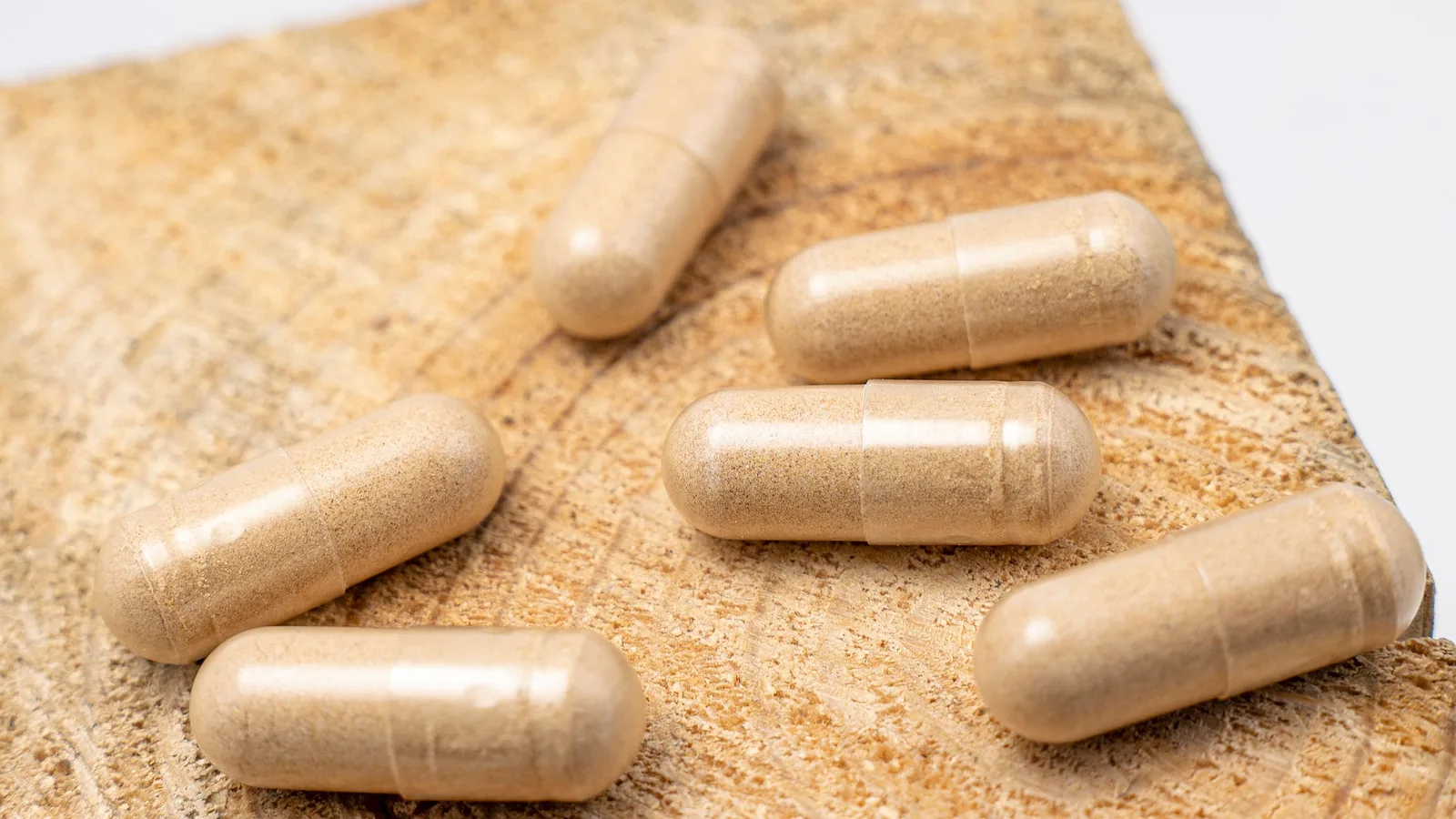
Zinc is involved in cell division and protein synthesis — two processes at the heart of hair growth. When it is lacking, cell renewal slows and the first tissues to suffer are those with high turnover: skin, hair and nails. This is why a zinc deficiency often manifests first in appearance. Alphavital brewer’s yeast provides zinc (5 mg per 100 g) within a natural matrix, alongside copper.
Selenium: The Antioxidant Guardian of Skin
Selenium plays a complementary role. It is an antioxidant trace element: it participates in defending cells against oxidative stress — the wear-and-tear phenomenon caused by free radicals, sunlight, pollution and ageing. The European authorities recognise that selenium contributes to the protection of cells from oxidative stress and to the maintenance of normal hair and nails.
In Morocco, where sunlight is intense for much of the year, this antioxidant dimension takes on its full meaning. The skin is the most exposed tissue to external aggressions, and its radiance depends in part on its ability to defend itself. Alphavital brewer’s yeast provides selenium (240 µg per 100 g), making it one of the formula’s signature nutrients. To put selenium and zinc intakes in context, ANSES details its nutritional reference values for vitamins and minerals3.
B Vitamins: The Fuel of Cell Renewal
While zinc and selenium take centre stage for appendages, B vitamins form the indispensable background. Biotin, niacin, riboflavin and their cousins are involved in the energy metabolism of cells and in their renewal. A hair follicle producing a hair shaft is one of the most active structures in the body: it consumes enormous amounts of cellular energy. Without a sufficient intake of B vitamins, this production cannot run under good conditions. Brewer’s yeast, naturally rich in the B complex, answers precisely this need.
The Science: What Zinc and Selenium Actually Do
The internet overflows with promises about beauty supplements. Our role is to remain precise: to distinguish what research establishes from the framework set by authorities. Here, in plain language, are the areas where the data are most solid.
Zinc and Hair Loss: What the Research Says
The link between zinc status and hair health is one of the most studied areas in skin nutrition. Several studies have observed that people experiencing certain forms of hair loss had lower zinc levels than average. A frequently cited study examined zinc status in different types of alopecia, as reported in this referenced analysis on PubMed4. The message is not that zinc is a universal remedy, but that a sufficient intake is among the conditions for healthy hair.
We must be honest about the scope of these findings. Hair loss can have many causes: hormonal, genetic, stress-related or nutritional. Zinc only acts where it is lacking. That is precisely why a regular nutritional intake — through diet and, when necessary, a well-formulated supplement — makes sense as a long-term strategy, not as a miraculous quick fix.
Selenium, Oxidative Stress and Skin Ageing
Selenium belongs to the broad family of antioxidant defences. It is a component of certain enzymes that neutralise free radicals — those unstable molecules involved in cellular ageing. The role of selenium in antioxidant defence and human health has been the subject of in-depth reviews, as detailed in this full-text review available on PubMed Central5.
On the regulatory level, the framework is clear and cautious. Selenium contributes to the protection of cells from oxidative stress — a claim validated by the European authorities. For skin, exposed daily to sunlight and pollution, this antioxidant support is far from a detail. These recognised formulations, rather than excessive promises, guide our editorial line.
Copper: The Quiet Partner of Keratin
Copper receives little attention, which is a shame. This trace element is involved in forming the bonds that reinforce keratin — the protein of hair and nails. It also participates in natural pigmentation. The European authorities recognise that copper contributes to normal hair pigmentation and to the maintenance of normal connective tissues. Alphavital brewer’s yeast provides copper (7 mg per 100 g), complementing zinc’s action in building appendages. Zinc and copper work in balance, which argues in favour of their joint presence in a single natural matrix.
Why Moroccan Lifestyle Puts Our Reserves Under Pressure
Morocco combines several factors that draw on our intake of B vitamins and trace elements. Identifying them is already the first step towards protecting one’s beauty from the inside.
Heat, first. Summers in Marrakech, Fez or Agadir bring heavy sweating, and sweat carries minerals with it, including zinc. Intense sunlight, next, increases the skin’s oxidative stress, placing greater demands on the antioxidant defences in which selenium plays a role. Urban stress, finally: Casablanca traffic, professional pressure and shortened nights keep the body under tension and draw on B vitamin reserves.
Heat, intense sunlight and urban pace: three forces that daily deplete our reserves of zinc, selenium and B vitamins — the nutrients on which visible beauty depends.
Add to this the evolution of the diet. The shift towards processed products and refined white bread, at the expense of whole grains, legumes and traditional nuts, mechanically reduces B vitamin and mineral intakes. Coffee and mint tea, so central to our culture, slightly increase the elimination of certain minerals when consumed in large quantities. The point is not to ban them, but to keep balance in mind.
Food First: The Moroccan Habits That Feed Beauty
Before any supplement comes the table. And traditional Moroccan cuisine abounds in excellent sources of zinc, selenium and B vitamins. All that is needed is to restore them to the place they deserve.
The Best Dietary Sources
Some foods concentrate beauty nutrients more than others. Here is a simple guide, rooted in our culinary heritage, for orienting daily choices.
| Nutrient | Moroccan Sources | For |
|---|---|---|
| Zinc | Meat, chickpeas, lentils, pumpkin seeds | Hair, nails, skin |
| Selenium | Fish, eggs, nuts (Brazil nuts) | Antioxidant protection |
| Copper | Nuts, legumes, offal | Keratin, pigmentation |
| B vitamins | Whole grains, legumes, yeast | Energy, renewal |
| Iron | Lentils, red meat, spinach | Tissue oxygenation |
The message is clear: a varied, colourful plate rich in whole foods is the first line of defence for beauty. A good lentil dish, a harira brimming with legumes, a handful of almonds, fish several times a week: simple and economical gestures. No supplement replaces this foundation. But when intakes remain insufficient despite efforts, or when signs of fragility take hold, targeted support makes perfect sense.
When Brewer’s Yeast Completes the Plate
Brewer’s yeast occupies a special position: it is at once a food and a supplement. Where the daily plate may struggle to cover the full B spectrum and trace elements, a spoonful of brewer’s yeast delivers in one go a nutritional density that is hard to reach any other way. That logic of natural concentrate is what guided Alphavital’s work: start with a dense raw material, then enrich it where reinforcement is warranted — with selenium and zinc.

Beauty, Energy, Digestion: The Triple Benefit of Brewer’s Yeast
Appendage beauty is the most sought-after use, but brewer’s yeast acts on a broader terrain. Its richness in B vitamins and minerals explains why it has traditionally been associated with three perceptible benefits: beauty, energy and digestive comfort.
Natural Energy, Without Stimulation
B vitamins are the conductors of energy metabolism. Niacin (B3), B1 and B2, abundant in brewer’s yeast, participate in converting dietary carbohydrates and fats into energy usable by cells. This is not the brute energy of a stimulant like caffeine, but a background support of metabolism. The European authorities recognise that several B vitamins contribute to normal energy metabolism and to reducing fatigue. For those going through a period of transient tiredness, this energetic dimension of brewer’s yeast is far from trivial.
Supporting Digestive Comfort
Brewer’s yeast is also valued for its effect on intestinal comfort. As a yeast-derived material, it provides fibres and compounds that participate in the balance of the gut flora. A well-balanced gut also means better assimilation of the nutrients consumed elsewhere. Beauty and energy flow through that too: what good is an intake if the body absorbs it poorly? This digestive dimension completes the picture and explains the yeast’s overall tonic reputation.
The Alphavital Response: A Brewer’s Yeast Designed for Beauty
Food first, always. But certain situations justify a helping hand: thinning hair, fragile nails, dull skin, periods of fatigue, or simply a plate that no longer covers heightened needs. Summer heat and intense sunlight — which increase losses and oxidative stress — are other windows where enriched brewer’s yeast merits attention.
A serious formula makes all the difference. Three criteria matter: a dense, natural raw material such as genuine brewer’s yeast; a coherent enrichment here with selenium and zinc, two key trace elements for skin and appendages; and real traceability, batch by batch. This is exactly the philosophy that guided our team.
How Alphavital Built Its Formula
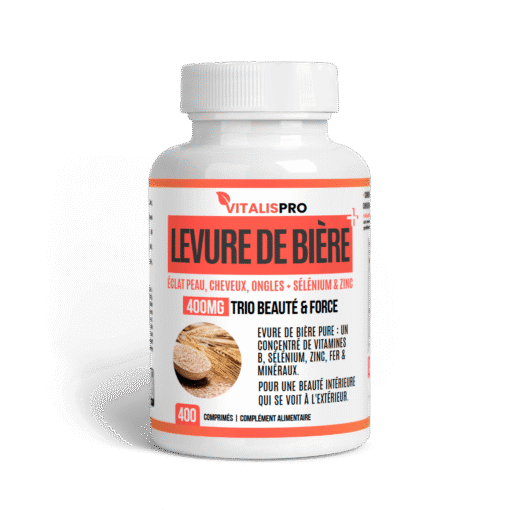
Alphavital starts with brewer’s yeast (Saccharomyces cerevisiae), a natural concentrate of B vitamins, proteins and minerals. To this base, our team adds selenium (240 µg per 100 g) and zinc (5 mg per 100 g), accompanied by copper (7 mg per 100 g), to act precisely where beauty is at stake: the keratin of hair and nails, and the antioxidant defence of the skin. The formula is designed for those who want to nourish their beauty at the roots without turning to complex solutions, while also supporting their energy and digestive comfort.
Each batch is traced and analysed. Alphavital recommends a daily, regular intake, taken with a meal and a large glass of water. Consistency over several weeks accompanies the natural renewal of hair, nails and skin, which follows the biological rhythm of these tissues. This formula is part of a coherent approach to beauty through nutrition.
A good beauty formula is not defined by a single active ingredient. It unites the right raw material, the right enrichment and real traceability, batch by batch.
For those who wish to further strengthen the beauty axis, brewer’s yeast integrates naturally into a holistic approach. Our team offers for this purpose a concentrated biotin formula for hair, skin and nails, as well as a zinc gluconate dedicated to skin and immunity support. For a broader anti-ageing approach, the Integral Beauty formula unites hyaluronic acid, collagen, biotin and zinc, and the full range can be explored from the Alphavital shop.
Using Brewer’s Yeast Correctly: The Practical Guide
A few practical guidelines help avoid common mistakes and get the most from a course of supplementation.
When and How to Take It
Brewer’s yeast is best taken with a meal and a large glass of water. Incorporating it into a morning or midday routine is a sound choice, since it accompanies the day’s energy metabolism. Regularity matters above all: it is the daily repetition that establishes the benefits, not a one-off dose. For appendages, patience is required, since hair and nails renew themselves according to their own biological clock.
How Long Should a Course Last
The beauty of hair, nails and skin does not transform in a few days. Hair grows slowly, nails renew over several months, and skin follows its own renewal cycle. A course of several weeks — often two to three months — makes it possible to accompany this natural rhythm. Many people notice an improvement in energy more quickly, within a few weeks, while the benefits for appendages require greater consistency. Regularity remains the key.
Precautions to Know
Brewer’s yeast is generally well tolerated. A few precautions are nonetheless necessary. People with yeast allergies should refrain from use. With certain medications, particularly some monoamine oxidase inhibitor antidepressants, medical advice is required. In cases of pregnancy, breastfeeding, chronic illness or ongoing treatment, the advice of a qualified healthcare professional is essential before starting. Respecting these guidelines is the mark of responsible use.
To understand how nutrition influences skin and hair health, this educational video in French clearly explains the link between nutrition and beauty.
Brewer’s Yeast and Hair: Thinking Holistically
Hair beauty has a two-way relationship with overall health. Fragile hair often signals deep fatigue, dietary imbalance or a period of stress. Conversely, supporting overall nutrition has a positive impact on the quality of appendages. Brewer’s yeast, with its richness in B vitamins and trace element enrichment, acts precisely at this intersection between beauty and general vitality.
That is why our team often sees brewer’s yeast as one piece of a broader picture rather than a standalone solution. A plate rich in whole foods, good hydration, quality sleep and stress management form the base. Enriched brewer’s yeast reinforces this base where natural intake may be lacking. For those who also want to act on skin radiance and complexion firmness, the collagen and hyaluronic acid approach forms a natural complement to yeast-based nutrition.
The feedback our team receives is worth more than any discourse. Here are three testimonials, shared with their authors’ consent.
My nails were splitting and breaking constantly — it was discouraging. I took brewer’s yeast every day at lunch. After two months, they are noticeably stronger, and my hair seems denser too. — Salma, Casablanca
After summer and all that sun, my skin was dull and tired. I incorporated the enriched brewer’s yeast into my routine. What struck me most was the return of radiance, and more stable energy throughout the day, without the afternoon slump. — Imane, Agadir
I was going through a period of fatigue where my hair was falling out more than usual. The brewer’s yeast gave me real daily energy support. For the hair, patience was needed, but the shedding settled down with regularity. — Khalid, Rabat
These accounts illustrate a simple truth: the most lasting results come from the combination of plate, lifestyle and, when useful, a well-chosen supplement. A question before you start? Our team replies directly via the Alphavital contact page.
What the research on zinc, selenium and yeast actually measured
There are very few trials on brewer’s yeast alone for hair. Most of the useful evidence concerns its two added trace elements, zinc and selenium. Here is what was really measured, including the warnings.
| Study (author, year) | Who, how much, how long | What was found |
|---|---|---|
| Kil, 2013 | 312 people with four types of hair loss and 30 people without; blood test only, no supplement | Blood zinc was lower in every hair-loss group. Copper was not different. A link, not proof that zinc regrows hair.4 |
| Burk, 2006 | Adults already getting enough selenium; about 200 to 600 µg a day in three forms; 16 weeks | Blood selenium rose with selenium yeast and selenomethionine, not with selenite. The form changes how much reaches the blood.6 |
| MacFarquhar, 2010 | 201 people who took a mislabelled liquid supplement holding 200 times its stated selenium; days to weeks | Hair loss (72%) and brittle or discoloured nails (61%) were among the most common symptoms. Too much selenium harms hair and nails.7 |
| Guo, 2017 (review) | Published studies on diet, nutrient intake and hair loss | Correcting a real deficiency makes sense. A benefit without a deficiency is not proven, and some supplements can make shedding worse.8 |
| Almohanna, 2019 (review) | Studies on vitamins, minerals and hair loss | Zinc, selenium, iron and B vitamins all play a part in the hair cycle. Large placebo-controlled trials are still missing.9 |
What this does not show. No trial shows that brewer’s yeast with selenium and zinc makes hair grow faster in someone whose levels are already fine. The hair-loss link in the blood-test study is an association, not a cause. The form of selenium matters, and so does the amount: the right intake supports normal hair and nails, while a large excess does the opposite. Sudden, patchy or heavy hair loss has many causes, including thyroid and iron problems, and needs a medical check before any supplement.
Brewer’s yeast, nutritional yeast, baker’s yeast: what is the difference?
All three come from the same yeast species, Saccharomyces cerevisiae. What changes is how they are grown, processed and used.
| Type | How it is made | What it is used for |
|---|---|---|
| Brewer’s yeast | Named after its traditional use in brewing. Sold dried and inactive, naturally rich in B vitamins and minerals. | Food supplement, in capsules, tablets or flakes |
| Nutritional yeast | Grown on purpose as a food, then dried and inactivated. | Flakes added to cooking for flavour |
| Baker’s yeast | Sold alive, so that it can make dough rise. | Baking only, not a supplement |
The yeast in the Alphavital Brewer’s Yeast, Selenium and Zinc formula is dried and inactive, then enriched with the two trace elements. It is a source of nutrients, not a live culture, so it does not ferment or multiply in the gut.
Who should skip brewer’s yeast, or ask first
- People who react to yeast. If bread, yeast extracts or fermented foods already cause itching, swelling or digestive trouble, do not start without advice.
- People told to limit purines, for example because of gout or high uric acid. Brewer’s yeast is naturally rich in purines, which the body turns into uric acid.
- People already taking other zinc or selenium. EFSA’s upper levels for adults are 25 mg of zinc and 255 µg of selenium a day, from all sources together. Add up every product you take. Brazil nuts also count: a few of them can supply a large amount of selenium on their own.
How to judge your course: a timeline based on how hair and nails grow
Alphavital’s advice is 2 to 3 capsules a day, with meals and a large glass of water, over two to three months. The timeline below follows the natural growth speed of hair and nails, so you judge the course at the right moment.
- Day one: take a photo. Same light, same place: your hairline or parting, and your nails. Memory is a poor judge of slow change.
- Weeks 1 to 4: build the routine. On three capsules, split them between breakfast and lunch. Energy is often what people notice first, because B vitamins support normal energy-yielding metabolism. Nothing visible on hair yet, and that is normal.
- Weeks 6 to 8: look at your nails. Fingernails grow about 3 mm a month. The part that formed during the course is now reaching the tip. Does it split or peel less?
- Week 12: look at your hair. Scalp hair grows about 1 cm a month. Compare the hair on your brush or in the shower drain, and your day-one photo.
- After three months: decide. Keep going if you see a difference, and talk to a health professional if shedding has not settled.
What a realistic result looks like. Nail tips that split and peel less. Fewer broken hairs on the brush, and a parting that looks the same or fuller in your photo. Steadier energy in the afternoon. What a nutrient formula will not do is bring back hair where follicles have stopped working, or change hair loss that runs in the family. Keeping your expectations at that level is what lets you judge the course honestly, and decide calmly whether to continue.
If biotin is the ingredient you are comparing, our separate guide to biotin for hair covers that single nutrient in detail. This page stays on the broader yeast, zinc and selenium approach.
Frequently Asked Questions About Brewer’s Yeast, Selenium and Zinc
Is brewer’s yeast good for hair and nails?
Brewer’s yeast provides B vitamins, proteins and minerals, including zinc and copper, which participate in building keratin — the protein of hair and nails. Zinc contributes to the maintenance of normal hair and nails, a claim recognised by the European authorities. Combined with a good diet, it therefore naturally supports appendage beauty.
What is the difference between plain brewer’s yeast and brewer’s yeast enriched with selenium and zinc?
Plain brewer’s yeast is already rich in B vitamins and minerals. The enriched version adds a targeted boost of selenium and zinc — two trace elements particularly involved in the health of skin and appendages. The Alphavital formula provides 240 µg of selenium and 5 mg of zinc per 100 g, to act precisely where beauty is at stake.
When should brewer’s yeast be taken?
Preferably with a meal and a large glass of water, in the morning or at midday to accompany the day’s energy metabolism. Daily regularity over several weeks is the key to benefits, particularly for hair and nails, which renew slowly according to their own rhythm.
How long does it take to see results on hair?
Benefits on energy can be felt within a few weeks, but hair and nails require patience. Hair grows slowly and nails renew over several months. A two-to-three-month course, taken regularly, makes it possible to accompany this natural biological cycle.
Is selenium really useful for skin?
Selenium is an antioxidant trace element. The European authorities recognise that it contributes to the protection of cells from oxidative stress and to the maintenance of normal hair and nails. In Morocco, where sunlight is intense, this antioxidant support is highly relevant for skin — the tissue most exposed to external aggressions.
Does brewer’s yeast cause weight gain?
At food supplement doses, brewer’s yeast has no reason to cause weight gain. It provides nutrients rather than a significant excess of calories. Its reputation as a tonic stems from its density in B vitamins and minerals, not from a high energy content. It integrates into a balanced diet.
Are there contraindications for brewer’s yeast?
Brewer’s yeast is well tolerated by most people, but certain situations call for caution. People allergic to yeasts should refrain. In case of treatment with certain antidepressants, pregnancy, breastfeeding or a pathology, the advice of a healthcare professional is necessary before starting.
Where to buy selenium and zinc brewer’s yeast in Morocco?
Alphavital offers a brewer’s yeast enriched with selenium and zinc in Morocco, designed for hair, skin, nails and energy, with delivery throughout the Kingdom. Composition, customer reviews and usage instructions are detailed on the product page, and traceability is ensured batch by batch.
What are the side effects of brewer’s yeast?
Most people notice nothing. Some get a little gas or bloating in the first days. Taking the capsules with meals and splitting them between breakfast and lunch usually helps. Stop and seek advice if you notice itching, a rash or swelling, which can signal a yeast sensitivity.
Can I take brewer’s yeast with biotin or zinc gluconate?
Yes, but count your zinc. Brewer’s yeast with selenium and zinc already brings zinc, so adding a separate zinc supplement raises the total. Keep the daily total from all sources under 25 mg of zinc and 255 µg of selenium for adults, the upper levels set by EFSA.
Is selenium from yeast better absorbed than other forms?
In a 16-week trial, selenium yeast and selenomethionine raised blood selenium in a dose-related way, while sodium selenite did not. Better absorption is also a reason to respect the dose and not stack several selenium products.
How do I take brewer’s yeast during Ramadan?
Take the capsules with food, never on an empty stomach. Split them between iftar and suhoor, with a large glass of water each time. The two to three month course simply carries on through the month.
In Summary
Brewer’s yeast is one of the most complete nutritional concentrates that nature offers: a dense source of B vitamins, proteins and minerals, long valued as a natural tonic. Enriched with selenium and zinc — two key trace elements for skin and appendages — it becomes a beauty support of rare coherence, acting where everything happens: the keratin of hair and nails, and the antioxidant defence of the skin.
We support it first through the plate: legumes, nuts, fish and whole grains — so many treasures from the Moroccan larder. And when a helping hand is useful, a serious, dense and traceable formula makes full sense. That is the path Alphavital has chosen, with a transparent approach that remains faithful to the science. Taking care of your beauty is not following a trend: it means nourishing, from the inside, what you see on the surface.
About the author. Houda Khaldi is Editorial Advisor in Natural Nutrition at Alphavital. She translates scientific research into clear, actionable guidelines for everyday Moroccan life.
Disclaimer. The information presented is provided for guidance purposes, based on sourced research (PubMed, EFSA, WHO). The Alphavital team is not composed of healthcare professionals. Consult a qualified healthcare professional before use, in case of ongoing treatment, pregnancy or breastfeeding, yeast allergy or pathology. Food supplements do not replace a varied, balanced diet or a healthy lifestyle.
Sources and References
- World Health Organization (WHO) — Micronutrients and their role in the body. WHO
- European Commission — Register of authorised health claims (zinc, selenium, copper). EU Register
- ANSES — Nutritional reference values for vitamins and minerals. ANSES
- Kil MS, et al. Analysis of serum zinc and copper concentrations in hair loss. Ann Dermatol. 2013;25:405-409. PubMed
- Rayman M.P. — Selenium and human health (synthesis review). PubMed Central
- Burk RF, Norsworthy BK, Hill KE, et al. Effects of chemical form of selenium on plasma biomarkers in a high-dose human supplementation trial. Cancer Epidemiol Biomarkers Prev. 2006;15(4):804-10. PubMed 16614127
- MacFarquhar JK, Broussard DL, Melstrom P, et al. Acute selenium toxicity associated with a dietary supplement. Arch Intern Med. 2010;170(3):256-61. PubMed 20142570
- Guo EL, Katta R. Diet and hair loss: effects of nutrient deficiency and supplement use. Dermatol Pract Concept. 2017;7(1):1-10. PubMed 28243487
- Almohanna HM, Ahmed AA, Tsatalis JP, Tosti A. The Role of Vitamins and Minerals in Hair Loss: A Review. Dermatol Ther (Heidelb). 2019;9(1):51-70. PubMed 30547302