

Every family has its winter routine: the first sore throat, the lemon and honey, the week that drags on. Most people already know vitamin C and zinc by name. Fewer know which of the two has the stronger evidence, when each one works best, and why taking them at the right meal matters as much as taking them at all. This guide sorts that out.
Contenu de la page
- 1 Key takeaways
- 2 What is immunity, and how does it work?
- 3 The mechanism: how immune support works at the cellular level
- 4 Dosage and how to take immunity supplements
- 5 The four lifestyle pillars that build immunity
- 6 Vitamin C: the reference immune antioxidant
- 7 Should you take vitamin C as prevention or during a cold?
- 8 Vitamin D3: the immune conductor
- 9 Zinc: the anti-infection mineral par excellence
- 10 Probiotics: immunity begins in the gut
- 11 Iron and B vitamins: the often-forgotten supports
- 12 Propolis: the bees’ natural shield
- 13 The science: where the evidence is, where the limits are
- 14 Three misconceptions to correct
- 15 A complete immune-support programme
- 16 Precautions and points of vigilance
- 17 The Moroccan factor: climate, lifestyle and silent deficiencies
- 18 The immune year across Moroccan seasons
- 19 Where to buy reliable immunity supplements in Morocco, and at what price
- 20 Three readers tell their story
- 21 Vitamin C and zinc: what the studies actually measured
- 22 How to take vitamin C and zinc together: timing, meals and what you may notice
- 23 Frequently asked questions about immunity and supplements
- 23.1 Can you take all these supplements at the same time?
- 23.2 Are immunity supplements useful in summer?
- 23.3 Can a child take these supplements?
- 23.4 Why am I deficient in vitamin D despite the Moroccan sun?
- 23.5 Does zinc really stop you catching a cold?
- 23.6 How long does a zinc cure last?
- 23.7 Should I get a blood test before supplementing?
- 23.8 Are these supplements found in pharmacies in Morocco?
- 23.9 Which vitamins does the immune system need?
- 24 In summary
Key takeaways
- Four pillars concentrate most of the evidence: vitamin C, vitamin D3, zinc and probiotics.
- Vitamin C and zinc contribute to the normal function of the immune system (authorised claims, EFSA / EU 432/2012).
- Despite 300 days of sunshine, a large share of the Moroccan population shows an insufficient vitamin D status.
- Zinc supplementation reduced the duration of the common cold by about a third in a reference meta-analysis.
- Alphavital formulates a targeted immunity range — vitamin C, zinc gluconate, D3 & K2 duo — designed for everyday Moroccan life.
What is immunity, and how does it work?
What is the immune system? It is the set of defences that protect the body from aggressions — viruses, bacteria, abnormal cells. It is often described as two complementary armies. Innate immunity forms the first line: physical barriers (skin, mucous membranes), “scavenger” cells such as phagocytes, natural killer cells. It reacts within minutes, with no prior memory. Adaptive immunity, slower but formidably precise, relies on B and T lymphocytes that learn to recognise each pathogen and produce tailor-made antibodies.
Micronutrients orchestrate both systems. A deficiency in zinc, vitamin D or vitamin C significantly weakens the defences, at a level that is often silent: you do not “feel” a deficiency, you endure it in the form of more frequent or longer infections. And in Morocco, many people are short of at least one of these nutrients without knowing it — vitamin D foremost, despite our sunshine.
Supporting your immunity is therefore not about seeking a miracle product, but about filling precise gaps and tending a favourable terrain: enough sleep, regular physical activity, a varied diet, stress management. Supplements step in to support this foundation, never to replace it.
One useful marker for the rest of this guide: we distinguish background support, designed over time to maintain adequate reserves, from seasonal support, intensified in high-risk periods. The two logics are complementary, and the whole art lies in calibrating the effort to your profile, lifestyle and the season — rather than applying one recipe to everyone.
The mechanism: how immune support works at the cellular level
To understand why these nutrients matter, it helps to see how immune support works once it reaches the cell. Immune cells are among the most metabolically active in the body: they divide rapidly during an infection, generate reactive oxygen species to destroy pathogens, and rebuild themselves constantly. This intense activity has a cost — and that is precisely where micronutrients intervene.
Vitamin C accumulates inside white blood cells, where it neutralises the very oxidants those cells produce to kill microbes, protecting them from self-inflicted damage. Zinc acts as a structural cofactor for hundreds of enzymes and is required for T-lymphocyte maturation; without enough of it, the adaptive response stalls. Vitamin D, once converted to its active form, binds receptors on immune cells and switches on the genes that produce natural antimicrobial peptides. Probiotics, for their part, train the gut-associated immune tissue from the lumen side, keeping the barrier tight and the inflammatory tone balanced.
The mechanism, in short, is one of supply and protection: supplying the raw materials immune cells need to function, and protecting them from the oxidative cost of their own work. This is why correcting a deficiency produces a visible benefit, while piling excess onto an already sufficient status does little — the machinery is already running at capacity.
Dosage and how to take immunity supplements
How to take these supplements is as important as which ones to take. A few simple rules maximise both absorption and tolerance, and they cost nothing to apply.
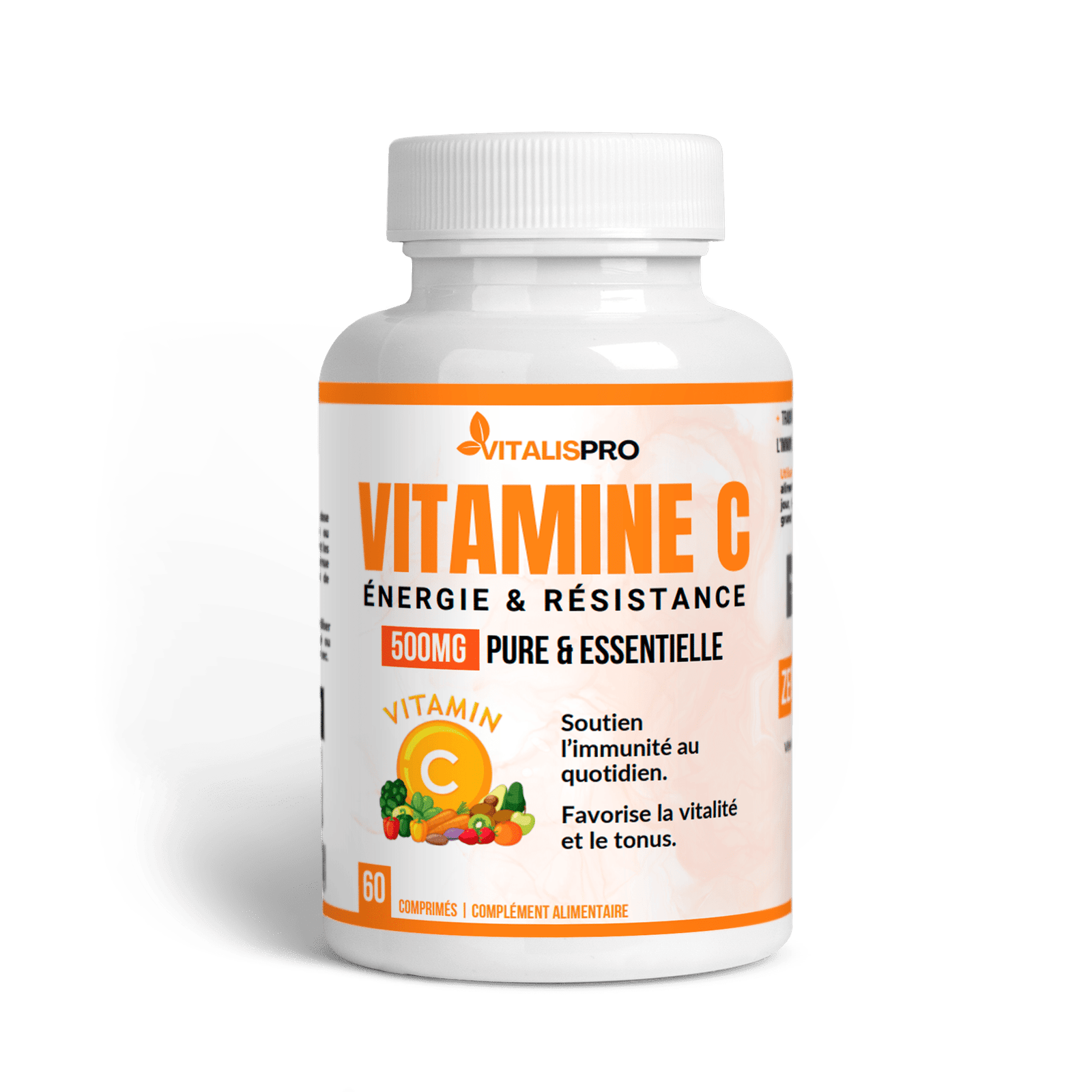
- Vitamin C: 500 to 1000 mg per day, ideally split and taken with meals to smooth absorption and avoid digestive discomfort. Being water-soluble, it is best maintained daily rather than taken in occasional large doses.
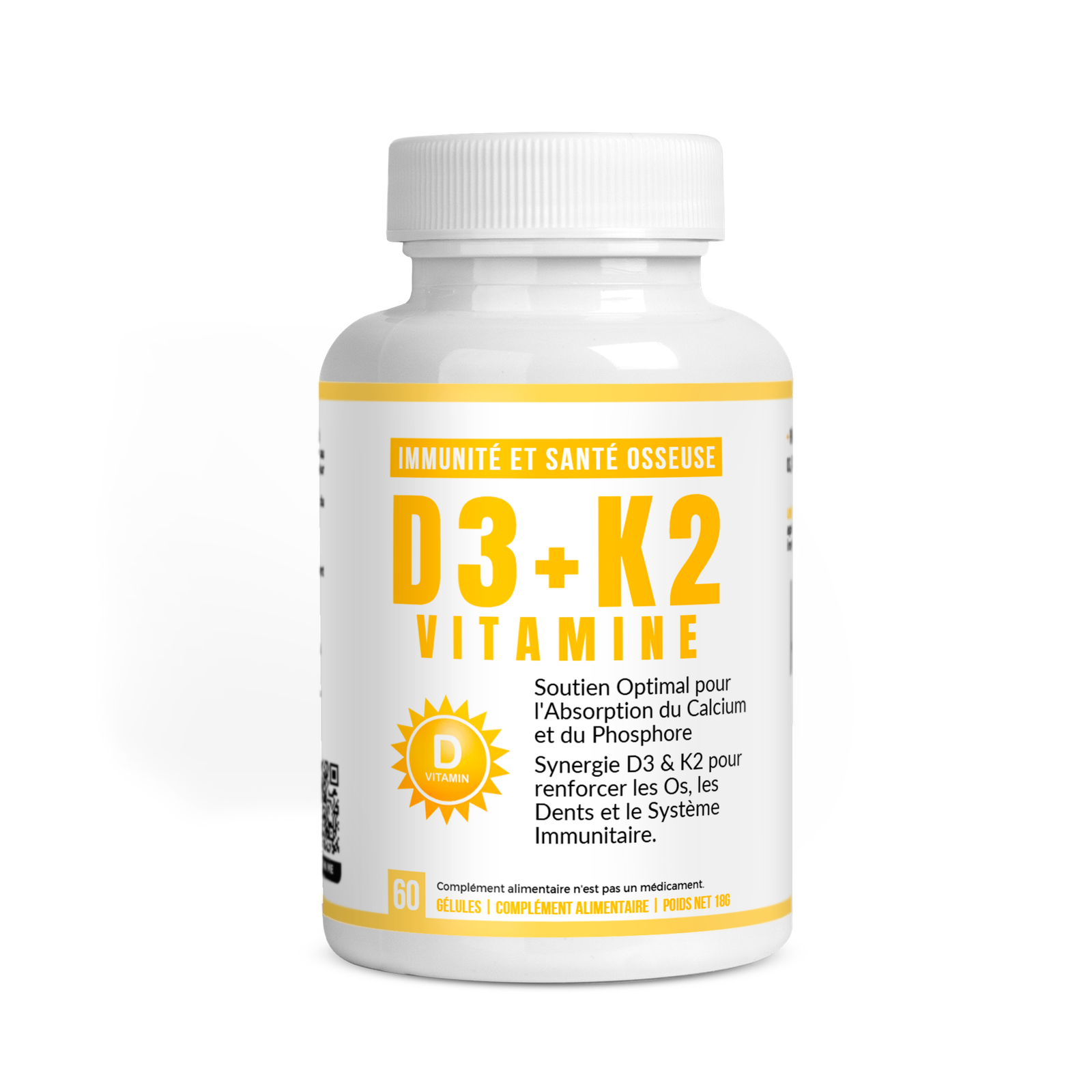
- Vitamin D3 & K2: one capsule a day (10 µg of D3 and 7.5 µg of K2), taken with a meal that contains some fat, since both vitamins are fat-soluble. Autumn-to-spring is the priority window in Morocco.
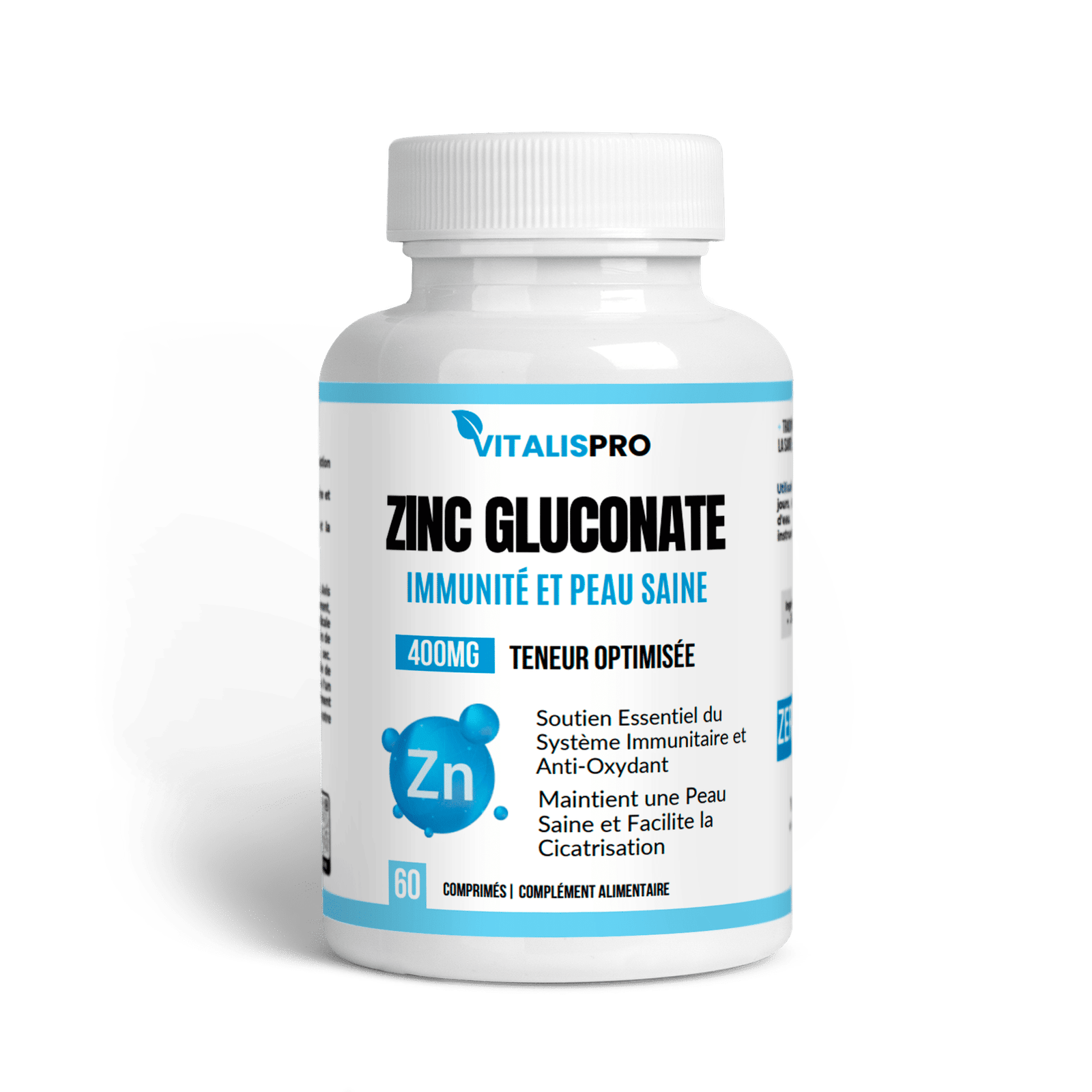
- Zinc: 15 mg a day (one capsule), with a meal to avoid nausea, as a defined course of about two months rather than indefinitely.
- Probiotics: 2 capsules a day, one in the morning and one in the evening, as a one-to-three-month course, especially after antibiotics.
The overarching principle: regular, moderate dosing beats sporadic megadosing. Consistency is what lets the body maintain adequate reserves through the demanding seasons, and it is far more effective than reacting in a panic once the first symptoms have already taken hold.
The four lifestyle pillars that build immunity
Before even talking about jars, one truth that research keeps confirming bears repeating: the most powerful determinants of immunity cannot be bought. Four pillars structure a solid immune terrain, and no supplement replaces them.
Sleep. Sleep deprivation reduces the efficiency of natural killer cells and the vaccine response. Sleeping enough, at regular hours, is probably the most cost-effective immune gesture — and the most neglected. A repeated short night weakens the defences far more than people imagine.
Physical activity. Moderate, regular activity improves the circulation of immune cells and the body’s surveillance. Conversely, overtraining without recovery can temporarily depress the defences: it is all a matter of measure.
Diet. A colourful plate, rich in fruit, vegetables, legumes and good fats, provides the micronutrient base immunity needs. It is precisely when the diet is unbalanced that supplements take on their full meaning.
Stress management. Chronic stress raises cortisol, which dampens certain immune functions. Breathing, walking, social connection: anything that calms the nervous system indirectly supports the defences. On this well-tended terrain, targeted supplements then deliver their full value.
Vitamin C: the reference immune antioxidant
Vitamin C (ascorbic acid) is probably the best-known immune supplement — and that reputation is partly deserved. Concretely, it acts on several fronts.
- It supports the production and function of leucocytes, the white blood cells patrolling the body.
- It strengthens the epithelial barrier, the first line of defence against pathogens.
- A powerful antioxidant, it protects immune cells from the oxidative stress generated by defensive activity.
- It contributes to the normal function of the immune system (authorised claim, EFSA).
Why is a daily intake necessary? Because, unlike fat-soluble vitamins (A, D, E, K), vitamin C is water-soluble: the body does not store it and eliminates it quickly through urine. Hence the value of a regular intake, particularly for those whose diet is poor in fresh fruit and vegetables.
In practice, an intake of 500 to 1000 mg per day is a relevant background marker. Vitamin C also offers a valuable secondary asset: it improves the absorption of plant-based iron, making it a natural ally for people who eat little meat.
It is this logic of optimal absorption and synergistic action that guides the formulation of Alphavital’s vitamin C.
Should you take vitamin C as prevention or during a cold?
This is one of the most common questions. The answer, nuanced, deserves a pause. As prevention in the general population, vitamin C does not dramatically reduce the frequency of colds; its net preventive effect appears mainly in people under intense physical stress, such as endurance athletes or people exposed to cold. On the other hand, a regular intake appears to slightly shorten the duration of episodes when maintained over time.
Concretely, two uses coexist. The first, background, aims to secure a sufficient daily intake in low consumers of fruit and vegetables — a sensible nutritional marker. The second, more occasional, consists of increasing intake during sensitive periods. In both cases, you stay within reasonable doses: there is no point aiming for extreme amounts, as the excess is simply eliminated through urine with no extra benefit, and possibly with digestive discomfort.
Vitamin D3: the immune conductor
Here is the Moroccan paradox: despite exceptional sunshine, a large share of the population shows an insufficient vitamin D status. How to explain it? Skin synthesis requires direct exposure of 15 to 30 minutes a day, at precise hours (between 10 a.m. and 3 p.m.) — and many, office workers and little-exposed people, do not manage it sufficiently. Clothing cover, urban pollution and age further reduce this synthesis.
Vitamin D is not “only for the bones”. It is a prohormone regulating more than two hundred genes, many of which act in the immune response:
- It activates macrophages, the cells that eliminate bacteria and viruses.
- It modulates the production of cytokines, fine-tuning the inflammatory response.
- It stimulates the manufacture of natural antimicrobial peptides (cathelicidin).
- A 2017 meta-analysis of 25 randomised trials associated vitamin D supplementation with a reduced risk of acute respiratory infections.
Take a common case: a mother in Salé who works in an air-conditioned office and rarely goes out complains of repeated infections, fatigue and diffuse aches. A blood test reveals a collapsed vitamin D level. After a few months of suitable intake: fewer infectious episodes, better energy, reduced discomfort. This scenario is far more common than people imagine.
As a background marker, one D3 & K2 capsule a day is coherent, favouring autumn and winter. In case of a confirmed deficiency, it is a health professional who adjusts the dose. And vitamin D3 is always paired with vitamin K2, which directs calcium towards the bone rather than the arteries.
The D3 & K2 duo is one of the most requested pairings for immunity and bone health — which is precisely Alphavital’s reference formula.
Zinc: the anti-infection mineral par excellence
Zinc is often the great forgotten one in immunity discussions. Yet hundreds of studies confirm its central role.
- It is indispensable to the maturation and activation of T lymphocytes.
- It curbs the replication of certain viruses, including the rhinoviruses behind the common cold.
- It maintains the integrity of the skin and mucous barriers.
- It takes part in antioxidant defence via a key enzyme, superoxide dismutase.
A meta-analysis published in the Journal of the Royal Society of Medicine (Hemilä, 2017) showed that zinc supplementation reduced the duration of the common cold by about a third on average. A notable result for a mineral many neglect. Zinc also contributes to the normal function of the immune system (authorised claim, EFSA).
Timing plays a key role. Data suggest that zinc’s benefit on symptom duration is greatest when taken at the very first signs, not several days later. This is why many households keep a zinc reserve on hand during the cold season, ready to be used at the first sore throat. This logic of anticipation, simple and inexpensive, illustrates the philosophy of intelligent immune support: act early, at a reasonable dose, rather than react late and hard.
Beyond immunity, zinc fulfils other recognised functions: it contributes to the maintenance of normal skin, nails and hair, to fertility and to normal cognitive function (authorised claims, EFSA). That is how much this discreet mineral deserves a place in a background routine — without making excessive use of it.
The form matters as much as the dose. Zinc gluconate is among the best-absorbed and best-tolerated forms digestively — the one Alphavital has chosen.
Probiotics: immunity begins in the gut
Here is a figure that surprises: about 70 to 80% of the immune system is located in the gut. The gut microbiota — the old “flora” — talks constantly with the immune cells. A diverse, balanced microbiota goes hand in hand with a more robust immunity.
Probiotics, these beneficial bacteria, support this gut immunity in several ways: they compete with pathogens for adhesion sites, produce short-chain fatty acids that feed the gut cells, stimulate the production of barrier antibodies (IgA) and modulate the body’s inflammatory responses.
Their value is especially clear after a course of antibiotics — frequent in autumn and winter — which impoverishes the microbiota and which supplementation helps restore. They are happily paired with prebiotics, their “fuel”, and with key immune vitamins for a coherent approach.
Not all strains are equal, and that is an important point. The efficacy of a probiotic depends on the precise strain, its quantity (expressed in colony-forming units, or CFU) and its ability to survive the passage through the stomach. A serious formula states its strains, its dose and preserves viability until consumption. Conversely, a product vague about its composition rarely delivers what it announces. For the consumer, the right reflex is to favour transparency — exactly Alphavital’s stance, pairing probiotics, prebiotics and vitamins C and D3 in a logic of digestive and immune balance.
You also gain by feeding your microbiota naturally: fermented foods, varied fibres, and a colourful plate do as much for gut flora as a capsule. The supplement supports this base, particularly in periods of imbalance.
Iron and B vitamins: the often-forgotten supports
Immunity is too often reduced to vitamins C, D and zinc alone. Yet other micronutrients play a recognised role. Iron is indispensable to the proliferation of immune cells; a deficiency, frequent in women of childbearing age and athletes, comes with fatigue and increased vulnerability. Spirulina and legumes, paired with vitamin C which improves their absorption, help preserve this status.
B vitamins, for their part, contribute to normal energy metabolism and to the reduction of tiredness (authorised claims, EFSA). And chronic fatigue, by sapping the body’s vigilance and sleep quality, indirectly weighs on the defences. An adequate B-vitamin status therefore also fits into a global approach to immunity — hence the value of thinking of supplementation as a coherent whole rather than in silos.
Selenium and vitamin A complete the picture: the former takes part in antioxidant defence and the normal function of the immune system, the latter in the maintenance of mucous membranes, the first barriers against pathogens. A varied diet generally covers these needs; supplementation targets situations of confirmed shortfall.
Propolis: the bees’ natural shield
Propolis is a resin that bees craft to protect their hive from infections. It concentrates flavonoids, phenolic acids and terpenes with well-documented properties. In Moroccan folk practice, it has been used for generations, notably for throat and upper-respiratory comfort. Its capsule form allows a precise, standardised dose, more reliable than artisanal preparations of variable concentration.
The science: where the evidence is, where the limits are
Let us be clear about the state of knowledge. The strongest evidence concerns zinc (reduced cold duration), vitamin D (reduced risk of respiratory infections, especially when initially deficient) and the structural role of vitamin C in immune function. For vitamin C, the idea of a high-dose “anti-cold shield” is, however, nuanced: reviews show a modest effect on symptom duration, mainly in very active people, and little preventive effect in the general public.
The scientific lesson is consistent: these nutrients mainly help correct a deficiency. On an already well-supplied terrain, their marginal benefit fades. This is why the reasonable approach targets plausible deficiencies — vitamin D in winter, zinc in at-risk profiles, vitamin C in low consumers of fruit and vegetables — rather than stacking everything indiscriminately.
Finally, no supplement replaces the fundamentals: restorative sleep, regular physical activity, a colourful diet and stress management remain the most powerful levers. Supplements are a complement, in the literal sense.
Three misconceptions to correct
The immunity market carries many approximations. Three of them deserve to be dismantled.
- “The higher the dose, the better.” False for most micronutrients. Beyond a threshold, the benefit plateaus and the risk of side effects climbs — excess zinc hampers copper, excess vitamin C passes into the urine. The useful range beats escalation.
- “One product covers everything.” Immunity relies on several nutrients with distinct roles. No single “super-supplement” covers them all; it is the coherence of a routine that makes the difference.
- “Supplements replace a good lifestyle.” Never. Sleep, diet, activity and stress management remain the base. Supplements fill gaps; they do not exempt you from the fundamentals.
Keeping these markers in mind saves needless spending and steers your budget towards what truly matters: targeted, well-dosed and well-tolerated actives.
A complete immune-support programme
For solid immunity throughout the year, here are practical markers. They are meant as a general framework, to be adapted to each person with the advice of a health professional.
| Supplement | Daily marker | Best time | Period |
|---|---|---|---|
| Vitamin C | 500–1000 mg | Morning, with a meal | All year |
| Vitamin D3 + K2 | 10 µg D3 + 7.5 µg K2 | With a fatty meal | October to April minimum |
| Zinc gluconate | 15 mg | With lunch or dinner | 2-month cure |
| Probiotics | Several billion CFU | Morning and evening | 1-to-3-month cure |
| Propolis | 300 mg, 2 to 4 a day | Through the day | Autumn and winter |
Precautions and points of vigilance
Immunity supplements are safe at usual doses, but a few markers apply.
- Zinc and copper: a high, prolonged zinc intake can unbalance copper; respect the useful range and cure duration.
- Vitamin D: fat-soluble, it accumulates; very high doses are taken under the supervision of a health professional.
- Children: adult doses do not suit them; adapted formulations and professional advice are required.
- Pregnancy, breastfeeding, ongoing treatment or condition: always seek the advice of a qualified health professional before any supplementation.
The Moroccan factor: climate, lifestyle and silent deficiencies
Recognising a quality immunity supplement
A good immunity supplement is recognised by the transparency of its composition, by stated doses and by bioavailable forms (gluconate for zinc, D3 paired with K2). Alphavital selects its actives on these criteria and certifies its manufacturing, rather than hiding a formula behind a marketing argument.
The plate first, the supplement second
Before any jar, Moroccan food already offers plenty to support immunity: vitamin-C-rich citrus, legumes as zinc sources, oily fish providing vitamin D, traditional honey and propolis. The supplement steps in to fill what is missing, not to replace what exists.
A simple year-round immunity routine
Concretely: vitamin C and probiotics all year, vitamin D3 & K2 from October to April, a two-month zinc cure in sensitive periods. A clear routine, without overkill, that fits effortlessly into daily life.
The immune year across Moroccan seasons
The Moroccan immune calendar has its own rhythms. Autumn and early winter concentrate the infectious episodes: back to school, indoor life, cooling, a drop in the sunshine useful for vitamin D. This is the period when a background routine — vitamin C, a zinc cure, D3 & K2 — makes full sense, ideally begun before the first cold spells rather than at the height of the epidemic.
Spring brings its share of allergies and transitions, where supporting the microbiota with probiotics keeps its value. In summer, sun exposure generally covers vitamin D needs for those who go out at the right hours, while vitamin C and probiotics stay relevant all year. Thinking of immunity as a seasonal routine, rather than an emergency reaction, changes everything: you anticipate instead of enduring.
A word, finally, on Ramadan, a particular period when the eating rhythm upends habits. Concentrating micronutrient intake at the f’tour and s’hour meals, watching hydration and sleep, helps get through the month without digging deficiencies. Supplementation, taken at the right moment, adapts to this calendar without difficulty.
Where to buy reliable immunity supplements in Morocco, and at what price
The Alphavital immunity range is available on our online shop, with fast delivery throughout Morocco and cash on delivery. On price, a serious immunity base — vitamin C, zinc, D3 & K2 — represents a modest daily cost, set against the benefit of getting through winter with fewer infectious episodes. The right reflex: favour clear doses and assimilable forms over the cheapest jar with the poorest actives.
Three readers tell their story
“Every winter it was the same: colds one after another. Since I adopted Alphavital’s vitamin C and zinc as a cure, I get through the season more calmly.”
— Hicham, Casablanca
“My blood test showed a very low vitamin D. The D3 & K2 duo has become a simple marker of my autumn routine, validated by my doctor.”
— Nezha, Rabat
“What I appreciate is the honesty: no promise of never falling ill, just serious basics. The zinc gluconate does not upset my stomach.”
— Younes, Fès
“After a course of antibiotics, probiotics helped me regain digestive comfort. I now pair them with vitamin C.”
— Samira, Marrakech
Vitamin C and zinc: what the studies actually measured
Vitamin C and zinc are often sold as a pair, but they were mostly studied apart, in different ways. Vitamin C was tested as a daily habit. Zinc was mostly tested as something to start at the first signs of a cold. The table below shows who took part, how much they took, and what was really found.
| Study (author, year) | Who, how much, how long | What was found |
|---|---|---|
| Hemilä, 2013 (Cochrane review) | 29 trials, 11,306 people; at least 200 mg vitamin C a day, taken regularly | No fewer colds in the general public. Colds about 8% shorter in adults. Half the risk in people under heavy physical effort. |
| Science, 2012 (meta-analysis) | 17 trials, 2,121 people; oral zinc started during a cold | Colds shorter in adults, about 2.6 days on average. No clear effect in children. More bad taste and nausea. |
| Maggini, 2012 | 94 adults with a cold; 1,000 mg vitamin C + 10 mg zinc a day; 5 days | Runny nose eased faster than with placebo in the pooled analysis. Two small trials by a supplement maker’s team. |
| Cook, 2001 | 12 adults; diet with 51 to 247 mg vitamin C a day; 5 days per period | Vitamin C raised iron absorption from a full diet far less than from a single test meal. |
Four lessons come out of these studies. First, vitamin C works as a routine, not a rescue: taken every day, it slightly shortened colds, but trials where people only started it once they were ill showed no consistent effect6. Second, zinc has the opposite profile: its studies began when symptoms began, and adults recovered faster on average, although results varied a lot from one trial to another and nausea was more frequent7. Third, the two together were tested in two small trials, where a runny nose cleared faster than with placebo over five days8. Fourth, the well-known link between vitamin C and iron is real but smaller than often said: over a whole diet, the boost to iron absorption was far weaker than in single-meal tests9.
What this does not show. None of these trials tested the exact amounts sold today, and the zinc trials used many different forms and doses. None shows that vitamin C or zinc stops anyone from catching a cold. The combination trials were small and run by researchers linked to a supplement maker, so they need to be confirmed. What is solid is the role recognised by the EU: vitamin C and zinc both contribute to the normal function of the immune system. The studies add a practical point: vitamin C pays off when taken every day, and zinc is the one people reach for when the season turns.
How to take vitamin C and zinc together: timing, meals and what you may notice
The two fit in one daily routine: Alphavital Vitamin C 500 mg, one to two capsules a day, and Alphavital Zinc Gluconate, one 15 mg capsule a day; a box of 60 lasts two months.
Why pair them? Neither is kept in large reserve by the body. Vitamin C dissolves in water and leaves within hours, which is why it needs to come every day. Zinc is not stored in a form the body can draw on easily either, and it is used by hundreds of enzymes, including those that help immune cells mature. Taking the two every day keeps both supplies steady at the same time, instead of covering one and forgetting the other.
- Breakfast: one vitamin C capsule. Many people feel a lift in energy about 30 minutes after the first dose.
- Lunch or dinner: one zinc capsule, always with food. On an empty stomach, zinc is more likely to cause nausea.
- On demanding days (exams, long shifts, travel), a second vitamin C capsule at lunch.
- Keep zinc away from iron or calcium supplements. Taken at the same time, they can reduce how much zinc you absorb. Leave a few hours between them.
If you count on vitamin C for iron, place it at the meal that contains lentils, chickpeas, beans or leafy greens. The gain over a full day is modest, as seen above, but it is free. A glass of orange juice or a salad with lemon at the same meal works in the same direction.
Vitamin C and zinc suit many profiles: students in exam season, parents who catch every bug the children bring home, people who work in crowded places, and older adults who eat less fresh fruit. For more on vitamin C alone, including collagen and tiredness, see our detailed vitamin C guide.
Who should check with a doctor first
Beyond the precautions already listed above, zinc can reduce the absorption of some antibiotics, such as quinolones and tetracyclines, as noted by the US National Institutes of Health zinc fact sheet. If you are prescribed one of them, ask your pharmacist how many hours to leave between the two. People with kidney disease or on long-term medical treatment should also ask before taking any mineral supplement every day.
Frequently asked questions about immunity and supplements
Can you take all these supplements at the same time?
Yes, at recommended doses. The only balance to watch over the long term is zinc and copper. The pairings proposed here are coherent and safe for a healthy adult.
Are immunity supplements useful in summer?
Vitamin C and probiotics are taken all year. Vitamin D is less necessary in summer if you expose yourself to the sun regularly at the right hours.
Can a child take these supplements?
Adult doses do not suit children. Adapted formulations and the advice of a health professional are required before any intake.
Why am I deficient in vitamin D despite the Moroccan sun?
Because skin synthesis requires direct exposure at precise hours, which clothing cover, indoor life and age strongly reduce. Hence the value of an intake in autumn and winter.
Does zinc really stop you catching a cold?
Zinc does not make you invulnerable. Studies show mainly a reduction in cold duration when taken in time. It is a support, never an absolute protection.
How long does a zinc cure last?
A two-month cure is a common marker, at 15 mg a day, to preserve copper balance.
Should I get a blood test before supplementing?
For vitamin D, a blood measurement allows the intake to be adjusted precisely and remains ideal. For vitamin C and zinc at usual doses, a test is not essential in a healthy adult.
Are these supplements found in pharmacies in Morocco?
Pharmacy availability is variable. Alphavital favours direct online sales, with transparent doses and delivery throughout Morocco.
Which vitamins does the immune system need?
The EU recognises that vitamins A, B6, B12, C, D and folate, along with zinc, selenium, iron and copper, contribute to the normal function of the immune system. Most come from a varied diet. Vitamin C and zinc are the two most often used as a daily routine, and vitamin D is often low in people who spend little time outdoors.
In summary
Supporting your immunity is not a matter of exceptional products, but a coherent combination: good diet, enough sleep, regular activity and targeted supplements to fill the gaps. Vitamin C, vitamin D3, zinc and probiotics form a solid base, backed by hundreds of studies. The rest comes down to consistency and common sense — the plate first, the supplement second. By adopting this simple hierarchy and targeting genuinely plausible deficiencies, anyone can build a calm, affordable immunity routine suited to their own lifestyle, without giving in to the excessive promises that clutter the market.
About the author. This article was written by Laila Cherkaoui, natural nutrition editorial adviser at Alphavital. She translates scientific research into clear, actionable markers for everyday Moroccan life.
Disclaimer. The information presented is provided for guidance only, on the basis of sourced research (PubMed, EFSA, authorities). The Alphavital team is not made up of healthcare professionals. Consult a qualified health professional before any use, in case of ongoing treatment, pregnancy or breastfeeding, or a medical condition. Food supplements do not replace a varied, balanced diet or a healthy lifestyle.
Sources and references
- Vitamin C and immune function — review. PubMed
- Vitamin D supplementation and acute respiratory infections, meta-analysis (Martineau, 2017). PubMed
- Hemilä H. Zinc lozenges and the common cold: a meta-analysis comparing zinc acetate and zinc gluconate, and the role of zinc dosage. JRSM Open. 2017;8(5):2054270417694291. PubMed
- Gammoh NZ, et al. Zinc in infection and inflammation. Nutrients. 2017;9(6). PubMed
- Authorised health claims (vitamin C, vitamin D, zinc). EUR-Lex / EFSA
- Hemilä H, Chalker E. Vitamin C for preventing and treating the common cold. Cochrane Database Syst Rev. 2013;(1):CD000980. PubMed 23440782
- Science M, Johnstone J, Roth DE, Guyatt G, Loeb M. Zinc for the treatment of the common cold: a systematic review and meta-analysis of randomized controlled trials. CMAJ. 2012;184(10):E551-E561. PubMed 22566526
- Maggini S, Beveridge S, Suter M. A combination of high-dose vitamin C plus zinc for the common cold. J Int Med Res. 2012;40(1):28-42. PubMed 22429343
- Cook JD, Reddy MB. Effect of ascorbic acid intake on nonheme-iron absorption from a complete diet. Am J Clin Nutr. 2001;73(1):93-98. PubMed 11124756