


Liver detox in Morocco is not a three-day juice cleanse. It is about respecting an organ that regenerates itself, provided it is given room to breathe. The liver is the body’s central filter: we do not «clean» it — we support it. Here, without miraculous promises, is what science says and how Alphavital accompanies natural liver support.
The word «detox» is everywhere. On social media, in pharmacies, at the herbal counters of Marrakesh and Casablanca alike. It promises a great deal: eliminate toxins, start fresh, lose weight in a week. The physiological reality is both more modest and more reassuring. The liver does not need a effective cure to function. It is already working, without pause, to filter what we eat, drink and breathe.
In Morocco, the topic resonates in a particular way. A festive table loaded with rich dishes, Ramadan evenings where sweets and fried foods accumulate, a liver that «aches» after Eid: these everyday signals explain the growing enthusiasm for liver detox. The good news is that the most effective steps are simple, affordable, and that certain plants from our heritage find their rightful place within them. This article separates the myths from what genuinely holds up.
By Houda Khaldi, Editorial Advisor in Natural Nutrition · Published 10 September 2026 · 18-minute read
Contenu de la page
- 1 Key Takeaways
- 2 Liver Detox: What the Word Really Hides
- 3 What the Liver Actually Does, Explained Simply
- 4 Liver Detox: The Myths Worth Setting Aside
- 5 What Science Establishes About Liver Plants
- 6 The Seven Liver Plants, One by One
- 7 The True Daily «Detox»: Food First
- 8 Ramadan, Festivities and Overindulgence: When the Liver Asks for Attention
- 9 The Alphavital Answer: Hépa Bien-Être, Seven Plants in One Capsule
- 10 Building Your Programme Properly: A Practical Guide
- 11 Three Readers Share Their Experience
- 12 Frequently Asked Questions About Liver Detox
- 12.1 Do I really need to detox my liver?
- 12.2 Do three-day juice cleanses cleanse the liver?
- 12.3 Which plants are associated with liver support?
- 12.4 Does liver detox help with weight loss?
- 12.5 When is the right time to support your liver in Morocco?
- 12.6 How do I take Hépa Bien-Être?
- 12.7 Are there any contraindications?
- 13 In Summary
Key Takeaways
- The liver is the body’s central filtration organ: it transforms waste products to make them excretable. It does not need to be «purged» from the outside, but supported and relieved of excess burdens.
- A «liver detox» in three days of juicing is largely a marketing concept. What truly matters is the consistency of healthy habits over time.
- Several traditional plants — black radish, artichoke, dandelion and turmeric — have long been associated with hepatobiliary and digestive comfort.
- Moroccan cuisine, rich in bitter vegetables, herbs and olive oil, provides a naturally liver-friendly environment, provided sugar, alcohol and ultra-processed foods are kept in check.
- Alphavital offers Hépa Bien-Être, a synergy of seven plants designed as a complementary liver support alongside a healthy lifestyle — never as a substitute for diet or medical care.
Liver Detox: What the Word Really Hides
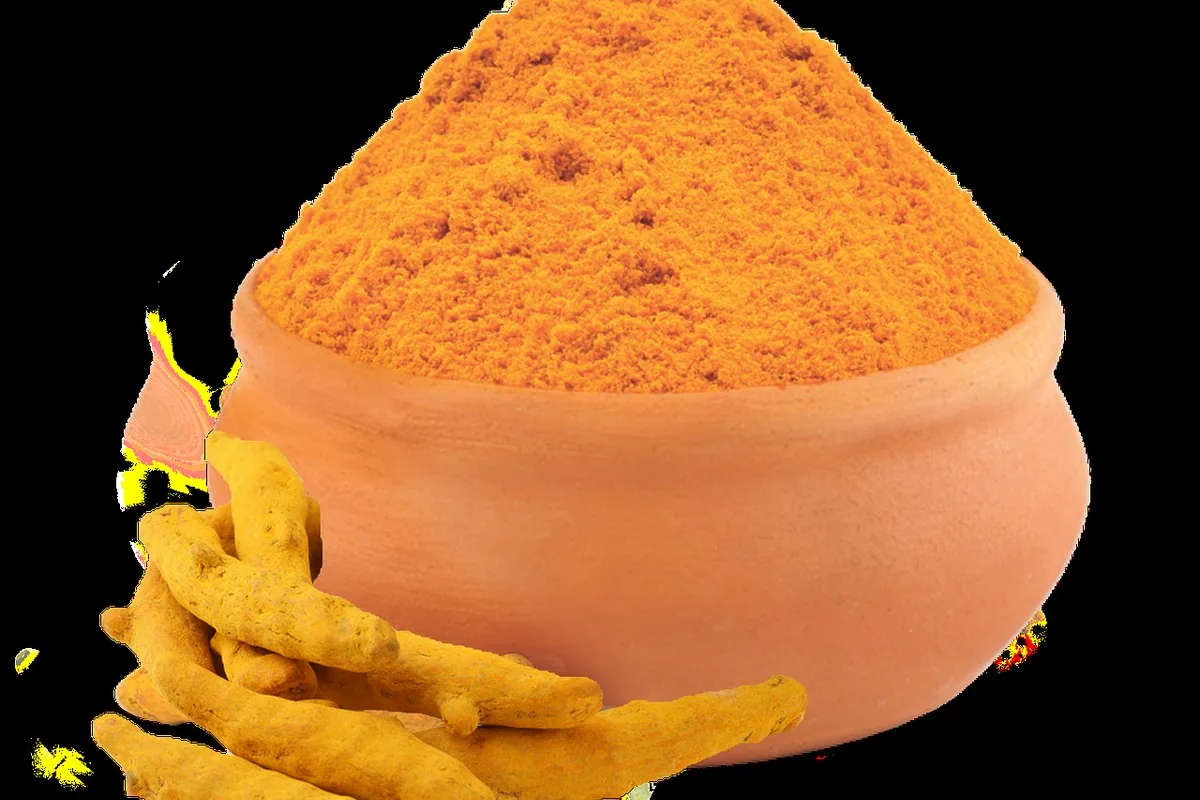
Let us start with a liberating truth. Your liver already detoxifies itself, every second, without any cure or potion. That is in fact one of its primary functions. The term «detox», as it circulates, suggests the opposite: a clogged organ that needs to be cleared from the outside. This image is misleading, and it is worth correcting before going further.
The liver is an organ weighing roughly one and a half kilograms, nestled beneath the ribs on the right side. It acts as a central crossroads: everything that passes through the intestine transits through it before entering the general circulation. Medications, alcohol, additives, as well as nutrients and hormones: the liver sorts, transforms and neutralises. It renders insoluble compounds soluble so that the body can excrete them via bile or urine.
You do not clean a liver the way you scrub a pan. You lighten its load, give it the right raw materials, and let it do what it does better than any product: regenerate.
This transformation process unfolds in two broad stages that biologists call phase 1 and phase 2. The first activates compounds to make them manageable; the second attaches them to other molecules to make them excretable. The National Library of Medicine describes this biochemistry of hepatic detoxification in detail1, involving dozens of enzymes. Understanding this mechanism reveals why a genuine «detox» cannot be ordered from outside — it is nourished from within.
The Liver: A Self-Regenerating Organ
A remarkable characteristic sets the liver apart from virtually every other organ: its capacity for regeneration. It can reconstitute a significant portion of its mass after injury, provided we stop assaulting it. This resilience explains why the priority is not to add a cleanse, but to remove what overloads it: excess sugar, alcohol and processed fats.
In other words, the most «detoxifying» gesture possible is not a product — it is a pause. A few days without alcohol, a lighter plate, more vegetables and fewer fried foods: this is what restores the liver’s operating margin. Everything else comes as a complement to this foundation, never in its place.
Why the Liver Struggles in Morocco
Contemporary lifestyles put the liver to the test. Sugar consumption has surged, ultra-processed foods have taken hold, and sedentary habits have spread. In Morocco, this trend is compounded by specific moments when the table becomes very generous: festivals, family celebrations, and the Ramadan period, when honey pastries and fried foods multiply at the breaking of the fast.
The liver absorbs these peaks. Most of the time it adapts without us noticing. But over time, a chronically unbalanced diet can promote the accumulation of fat in the liver — a phenomenon that is increasingly prevalent. It is precisely for these periods of overload that a thoughtful liver support approach makes its fullest sense, as a companion to dietary improvement.
What the Liver Actually Does, Explained Simply
To support an organ well, we first need to know what it does. The liver is one of the most versatile organs in the body, and its tasks extend well beyond simple «purification». Here are the broad strokes, without jargon.
It produces bile, the fluid indispensable for fat digestion, stored in the gallbladder and released at mealtimes. It regulates blood sugar, storing glucose and releasing it according to the body’s needs. It synthesises essential proteins, including those involved in blood clotting. It maintains reserves of several vitamins and minerals. And of course, it transforms foreign substances to make them excretable.
| Function | What this means day to day |
|---|---|
| Bile production | Fat digestion, comfort after a rich meal |
| Blood sugar regulation | Stable energy, fewer energy crashes |
| Waste transformation | Neutralisation of alcohol, medications, additives |
| Nutrient reserves | Stores of iron, vitamins A, D and B12 |
| Protein synthesis | Clotting, nutrient transport in the blood |
This overview illuminates a central idea: liver comfort and digestive comfort are intimately linked through bile. When bile flow is smooth, fatty meals digest more easily. This is precisely where several traditional plants come in, supporting hepatobiliary comfort. We will return to this.
Liver Detox: The Myths Worth Setting Aside
The detox market thrives on a handful of seductive but fragile ideas. Naming them helps direct energy where it genuinely counts and avoids pointless or potentially risky cleanses.
The Myth of Accumulated «Toxins»
The headline argument of detox discourse speaks of «toxins» that build up in the body. The word is vague by design. In reality, a healthy body already possesses specialised organs — liver, kidneys, intestine, skin, lungs — that continuously eliminate what needs to be eliminated. The idea of a blockage that only a specific product can clear has no solid physiological basis.
The Myth of the Three-Day Juice Cleanse
Express juice cleanses promise a thorough purification over a weekend. The problem is twofold. On one hand, the liver does not repair itself in seventy-two hours: its benefits accumulate over weeks of consistent habits. On the other hand, these cleanses, often very high in fructose, can paradoxically tax the liver rather than spare it. Consistency always beats fleeting intensity.
The best detox is not found in a bottle or a green juice. It lies in what you remove from your plate over a few weeks: less sugar, less alcohol, more vegetables.
The Myth of the Slimming Detox
Supporting your liver is not a weight-loss method. Weight loss depends on a combination of factors — overall diet, physical activity, sleep, heredity — that no plant or cleanse can shortcut. Confusing liver support with a slimming regime leads to disappointment. It is better to aim for digestive comfort and a healthy lifestyle, whose benefits are real and lasting.
What Science Establishes About Liver Plants
Intellectual honesty requires distinguishing what is well documented from what belongs to traditional use. On plant-based liver support, research is advancing, with partial certainties and fields still open. Here is the picture in plain language.
Where the Data Converges
Several bitter plants are studied for their action on bile flow. Artichoke is among the most thoroughly explored: its compounds are associated with stimulating bile secretion, which aids fat digestion and comfort after a rich meal. A review published on PubMed analyses the effects of artichoke leaf extract2 on hepatic and lipid metabolism, with encouraging results that still require confirmation at greater scale.
Turmeric, and more precisely its pigment curcumin, is the subject of a large body of research on inflammation and the liver. Preclinical data are numerous; human trials are progressing. A synthesis referenced by DOI reviews curcumin and liver health3. Caution remains warranted in drawing conclusions, but scientific interest in this staple of our cuisine is constant.
Where Traditional Use Predominates
Black radish, dandelion and fumitory belong primarily to a long European and Mediterranean phytotherapy tradition, where they are used to support hepatobiliary and digestive comfort. Modern clinical data for these are more limited than for artichoke or turmeric, but their use is ancient and well described. We present them therefore for what they are: plants of tradition, not proven remedies.
Our editorial line is consistent on this point. We do not turn traditional use into a recommended promise, and we do not distort any data. This restraint is, in our view, the hallmark of a trustworthy brand. For the reader curious about broader digestive mechanisms, our reference guide on digestion and immunity in Morocco usefully extends this reading.
The Seven Liver Plants, One by One
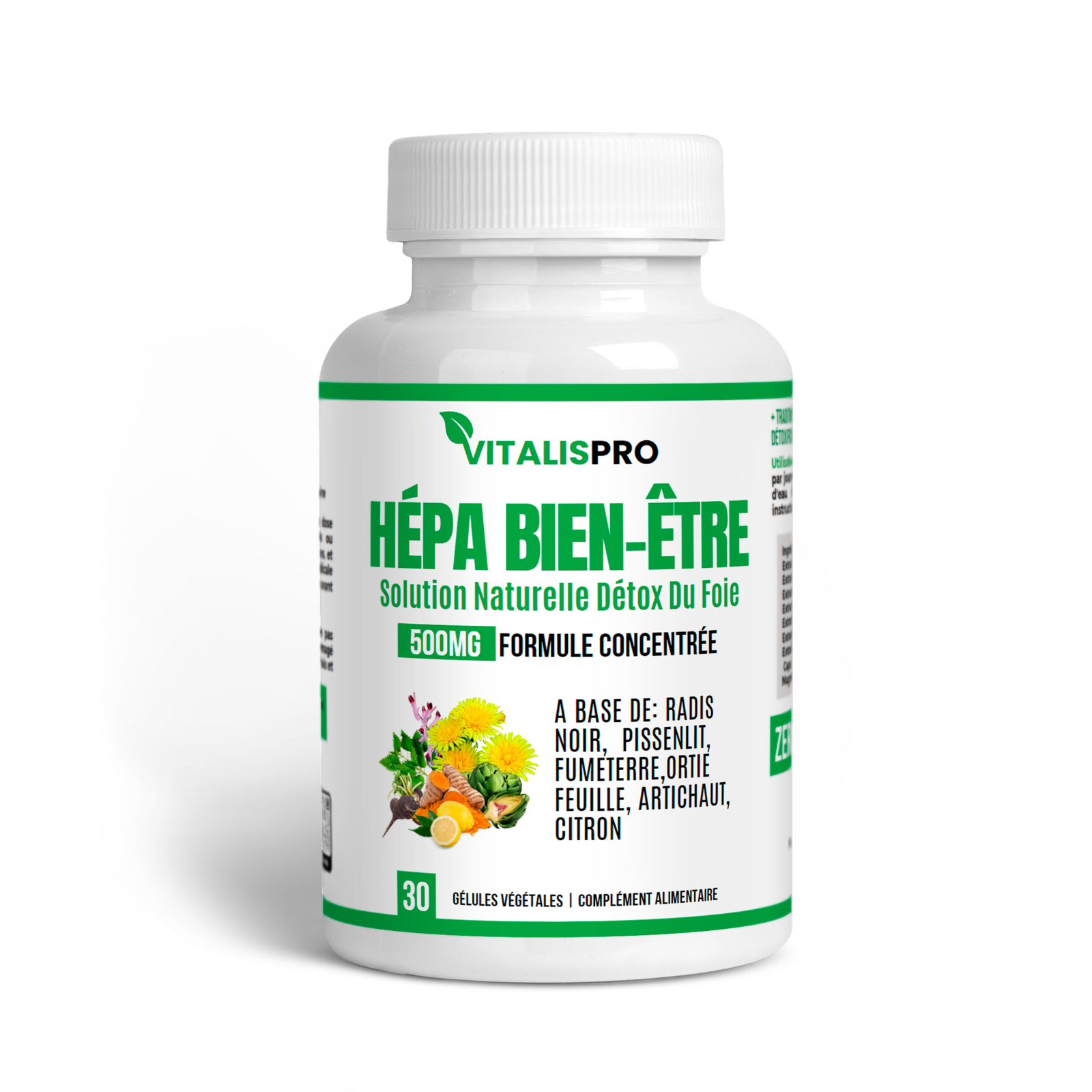
Rather than relying on a single plant, phytotherapy tradition often favours synergy: multiple botanicals that complement one another. This is the rationale behind Alphavital’s Hépa Bien-Être formula, which brings together seven plants chosen for their affinity with the liver and digestion. Here is what each one contributes.
Black Radish and Artichoke: the Hepatobiliary Duo
Black radish is a pungent root traditionally used to support liver and gallbladder comfort. Artichoke is one of the most thoroughly studied plants in the hepatobiliary field: its leaves are associated with stimulating bile secretion, which is useful for digesting fatty meals. Together they form the core of many liver support formulas.
Dandelion, Fumitory and Nettle: the Bitters of Tradition
Dandelion — root and leaf — is a classic bitter plant used in digestive and liver support. Fumitory is traditionally reputed to regulate bile flow. Nettle, rich in minerals, rounds out the blend with its remineralising profile. These three plants belong to the Mediterranean phytotherapy heritage, where bitterness has always been associated with gentle stimulation of digestion.
Lemon and Turmeric: the Finishing Touch
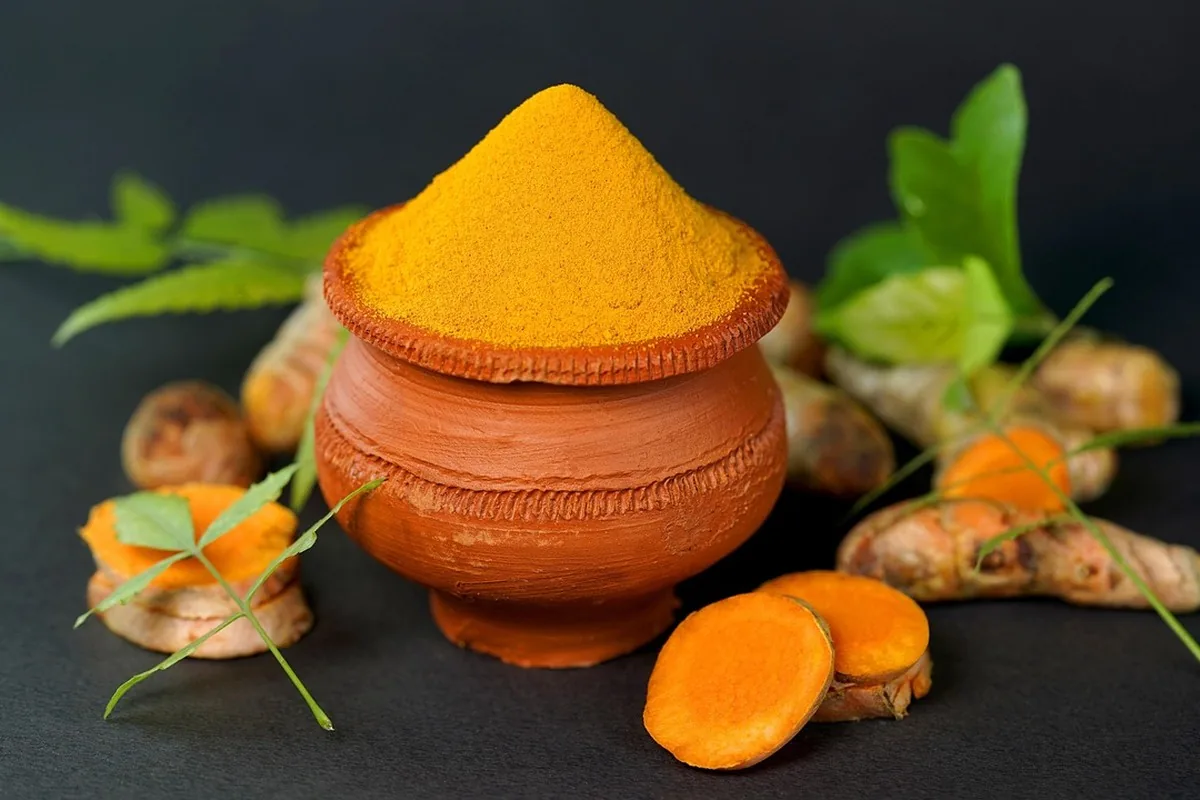
Lemon, a source of vitamin C and acidity, has traditionally accompanied liver support practices and brings a note of freshness. Turmeric closes out the formula with its pigment curcumin, at the centre of much research on inflammation and the liver. This culinary spice bridges culinary tradition and contemporary scientific interest.
| Plant | Part used | Associated traditional use |
|---|---|---|
| Black radish | Root | Hepatobiliary comfort |
| Artichoke | Leaf | Bile secretion, fat digestion |
| Dandelion | Root and leaf | Digestive and liver support |
| Fumitory | Aerial part | Bile flow regulation |
| Nettle | Leaf | Remineralising profile |
| Lemon | Fruit | Vitamin C, freshness |
| Turmeric | Rhizome | Studied for inflammation and liver |
The True Daily «Detox»: Food First
Before any supplement, there is the table. And Moroccan cuisine, in many respects, is a natural ally of the liver. The paradox is that modern lifestyles sometimes distance us from these reflexes. Reviving them is the most effective and least expensive gesture for relieving this central organ.
What Lightens the Liver’s Load
The logic is straightforward: give the liver less neutralisation work and more useful raw materials. Concretely, this means more vegetables — especially green and bitter ones — and a clear reduction in added sugar, alcohol and ultra-processed foods. Water, drunk regularly, supports the kidneys, the liver’s partners in elimination.
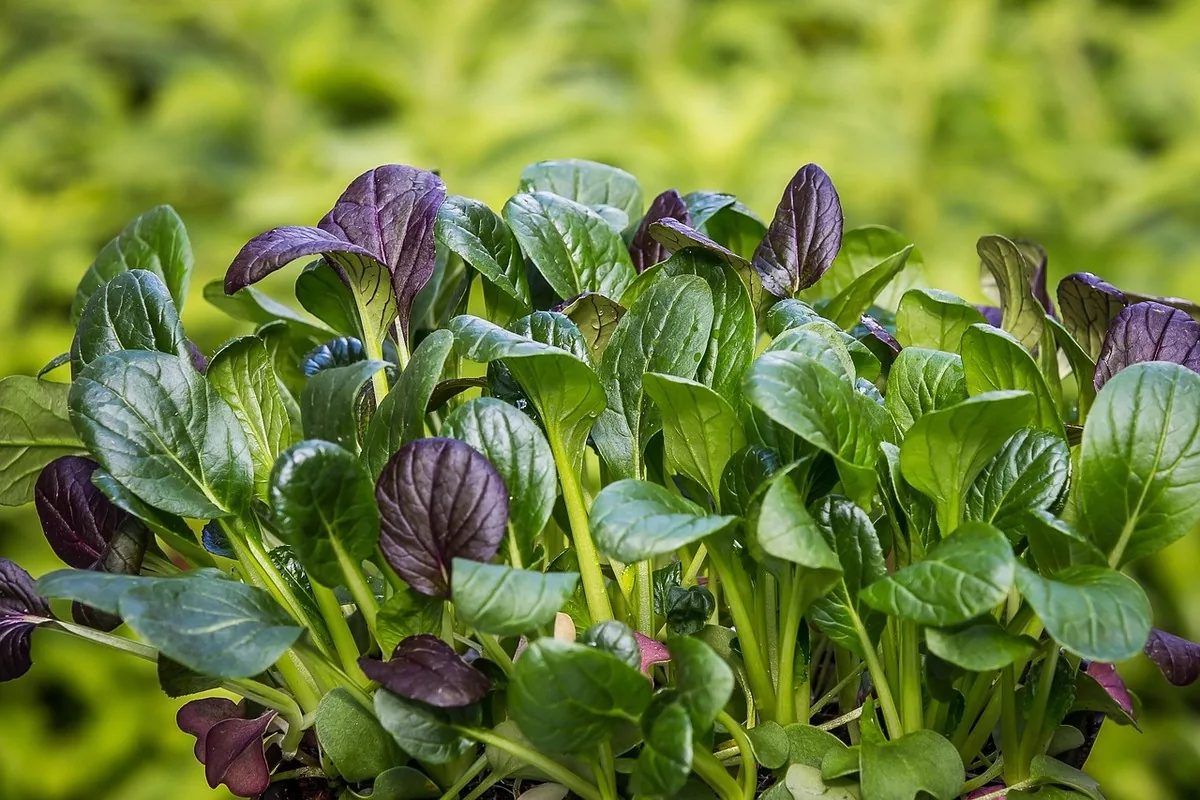
- Green and bitter vegetables: broccoli, spinach, rocket, artichoke, endive. Bitterness gently stimulates digestion.
- Olive oil, a pillar of our diet, a source of good fatty acids and polyphenols.
- Aromatic herbs: parsley, coriander, mint, present in almost all our dishes.
- Adequate hydration: water regularly, rather than sugary drinks.
- Coffee and tea, in moderation, associated in several studies with better liver health.
What Burdens the Liver
Conversely, certain habits work against it. Alcohol is the most direct factor, but not the only one. Excess sugar — particularly the fructose in drinks and pastries — places heavy demands on the liver. Ultra-processed foods, rich in additives and poor-quality fats, add to the load. The World Health Organization sets out the markers of a healthy diet4, which align perfectly with the liver’s needs: less free sugar, less saturated fat, more plant-based foods.
Movement: the Forgotten Detoxifier
It is rarely the first thing people think of, but physical activity is one of the liver’s most effective supports. Daily walking — simple and accessible anywhere — helps mobilise fats and improve insulin sensitivity, two key factors in liver health. Thirty minutes of walking per day is worth more than any bottled cleanse. It is a free investment, and one of the most rewarding there is.
Ramadan, Festivities and Overindulgence: When the Liver Asks for Attention
The Moroccan calendar includes several moments when the table becomes very generous. The liver dislikes sudden upheaval: it is better to anticipate these periods than to simply endure them. Here is how to navigate them with care.
The Month of Ramadan
During Ramadan, the eating rhythm is entirely reorganised, and the breaking of the fast is often accompanied by an abundance of sugar and fried foods. The liver, taxed by these peaks, appreciates a few simple habits: breaking the fast gradually, prioritising soups and vegetables before pastries, limiting very sugary drinks, and staying well hydrated between Iftar and Suhoor. These adjustments make a significant difference to digestive comfort throughout the month.
After the Festivities
Eid, weddings, large family gatherings: occasions where fatty meats and sweets follow one after another. The days that follow are the ideal moment to lighten the plate, give pride of place to vegetables, walk more and pause on alcohol where applicable. It is precisely in these windows that a plant-based liver support finds its place, accompanying this reset rather than replacing it.
The Alphavital Answer: Hépa Bien-Être, Seven Plants in One Capsule
Food first, always. But there are situations where a well-formulated supplement provides a relevant boost: after a period of overindulgence, at a change of season, or simply to support hepatobiliary comfort on an ongoing basis. What is needed for this is a serious and transparent formula.
This is the philosophy that guided our team’s work. Rather than promising a effective cleanse, Alphavital designed Hépa Bien-Être as a coherent synergy of seven plants, each chosen for its affinity with the liver and digestion. The formula brings together black radish, dandelion, fumitory, nettle, artichoke, lemon and turmeric in a single daily capsule.
A Simple, Transparent and Traceable Formula
Simplicity is a deliberate choice. Hépa Bien-Être is taken at one capsule per day, with a large glass of water, preferably at mealtime. A bottle of thirty capsules covers one month. The formula is gluten-free, dairy-free and soy-free, and each batch is quality-controlled for consistent standards. Like any supplement, it sits within a varied diet and an active lifestyle — never as a replacement for either.
Good liver support does not rest on a effective product. It rests on a comprehensive strategy: lighten the plate, move every day, limit alcohol and sugar, and when useful, complement with a well-considered plant synergy.
A question before getting started? Our team responds directly via the Alphavital contact page, to guide you toward the support best suited to your situation. To go deeper on a specific plant, our dedicated guide to milk thistle in Morocco completes this overview.
Building Your Programme Properly: A Practical Guide
A few practical pointers prevent the most common mistakes and allow you to get the most from a liver support approach.
Where to Start
Always with the plate and movement. Reduce added sugar and alcohol, add green and bitter vegetables, walk every day, stay well hydrated. With these foundations in place, a plant synergy reinforces the whole — it never replaces it. This ordering of priorities is what makes the difference.
Consistency Before Intensity
The liver works over the long term, and the benefits of a support approach establish themselves in the same way. A foundation programme is best approached over two months, rather than a few intensive days. At one capsule per day, a bottle covers one month: two bottles accompany a complete programme. Steadiness always prevails over fleeting bursts of effort.
Precautions to Be Aware Of
Liver plants are well tolerated by most people, but certain situations call for caution. In cases of gallstones, obstruction of the bile ducts, liver disease, pregnancy or breastfeeding, or ongoing medication, the advice of a healthcare professional is essential before starting. Choleretic plants, which stimulate bile, are specifically inadvisable in cases of obstruction. When in doubt, ask first.
The feedback our team receives is worth more than any discourse. Here are three accounts, shared with the authors’ consent.
After Ramadan, I felt heavy and found mornings difficult. I lightened my meals, resumed evening walks, and added a plant-based programme. Within three weeks, digestive comfort returned — and with it, energy. — Karim, Casablanca
I was looking for a simple gesture after the festivities, without falling into trendy juice cleanses. One capsule a day, more bitter vegetables on the plate: it has become a seasonal routine I almost look forward to. — Salma, Rabat
At fifty, I wanted to look after my digestion after heavy weekend meals. The plant synergy, combined with less sugar, genuinely changed my comfort. I am not crying effective, but the contrast is real. — Brahim, Fes
These accounts illustrate a simple truth: the most lasting results come from combining diet, movement and, where useful, a well-chosen plant-based support.
To understand concretely how the liver works and what protects it, this short video presents the role of this organ and the practices that preserve it, clearly and accessibly.
Frequently Asked Questions About Liver Detox
Do I really need to detox my liver?
The liver detoxifies itself continuously — it is one of its primary functions. We do not «purge» it from the outside. What genuinely helps is lightening its load: less sugar, alcohol and ultra-processed foods, more vegetables, water and movement. A plant-based supplement can accompany this foundation, never replace it.
Do three-day juice cleanses cleanse the liver?
No. The liver does not repair itself in seventy-two hours: its benefits build over weeks of consistent habits. Many express cleanses are very high in fructose, which can actually tax the liver. The consistency of a lightened diet always outperforms the intensity of a fleeting cleanse.
Which plants are associated with liver support?
Black radish, artichoke, dandelion, fumitory, nettle, lemon and turmeric are traditionally associated with hepatobiliary and digestive comfort. Artichoke and turmeric are the most scientifically studied. Alphavital’s Hépa Bien-Être synergy brings all seven together in a single daily capsule.
Does liver detox help with weight loss?
No — supporting the liver is not a slimming method. Weight loss depends on overall diet, physical activity and sleep, which no plant can shortcut. It is better to aim for digestive comfort and a healthy lifestyle, whose benefits are real and lasting, rather than a weight-loss promise.
When is the right time to support your liver in Morocco?
Periods of rich eating are the most appropriate: after Ramadan, Eid, weddings or an overindulgent weekend. That is the time to lighten the plate, walk more and, if desired, complement with a plant synergy. A foundation programme is best approached over two months to establish lasting change.
How do I take Hépa Bien-Être?
The formula is taken at one capsule per day, with a large glass of water, preferably at mealtime. A bottle of thirty capsules covers one month; two bottles accompany a complete two-month programme. It is gluten-free, dairy-free and soy-free, and fits within a varied diet and an active lifestyle.
Are there any contraindications?
As a precaution, in cases of gallstones or obstruction of the bile ducts, liver disease, pregnancy, breastfeeding or ongoing medication, consult a healthcare professional before starting. Plants that stimulate bile are specifically inadvisable in cases of bile duct obstruction. When in doubt, ask before beginning.
In Summary
Liver detox in Morocco is not a effective cure — it is a way of life. The liver already regenerates and detoxifies itself: our role is to lighten its load, not to «purge» it. This begins with the plate — less sugar, alcohol and ultra-processed food, more green and bitter vegetables, olive oil and water — and with daily movement. When a helping hand is useful, a well-considered plant synergy comes fully into its own.
This is the path Alphavital has chosen with Hépa Bien-Être: a transparent approach, true to the science and rooted in Moroccan culture, where black radish, artichoke and turmeric sit alongside our everyday dishes. Caring for your liver is not following a trend. It is, perhaps, one of the most rewarding investments you can make in your overall wellbeing.
About the author. Houda Khaldi is Editorial Advisor in Natural Nutrition at Alphavital. She translates scientific research into clear, actionable guidance for everyday Moroccan life.
Disclaimer. The information presented is provided for informational purposes, based on sourced research (PubMed, DOI, WHO, NIH). The Alphavital team does not consist of healthcare professionals. Consult a qualified healthcare professional before any use, in cases of ongoing treatment, pregnancy or breastfeeding, or liver or bile duct conditions. Food supplements do not replace a varied, balanced diet or a healthy lifestyle.
Sources and References
- Biochemistry of hepatic detoxification (phases 1 and 2). National Library of Medicine (NCBI Bookshelf)
- Artichoke leaf extract, hepatic and lipid metabolism — review. PubMed
- Curcumin and liver health — synthesis. DOI: 10.1002/ptr.5640
- Markers of a healthy diet (free sugars, fats, plant foods). World Health Organization
