

Maca is a root from the high Andean plateaus of Peru, studied for its role in energy, endurance, libido, and supporting natural weight gain. A growing number of people seeking vitality, appetite, and sustained energy through natural means have turned to it — with no artificial stimulants involved. For a complete programme on building body mass naturally, our detailed guide on gaining weight naturally when you are too thin covers the full nutritional and lifestyle approach. Here is what the science genuinely shows, and how Alphavital translates that evidence into a clean, traceable formula.
There is a plant that grows above four thousand metres of altitude, where almost nothing else survives. Its botanical name is Lepidium meyenii, but the world knows it simply as maca. In the Peruvian Andes, this small tuber — a relative of the radish and turnip — has been cultivated for millennia, withstanding frost, wind, and the scorching sun of the high plateaus. Andean communities consumed it to endure the demands of altitude, to sustain their energy, and, as tradition held, to support fertility.
Today, this root has made its way into gyms, health conversations, and online forums where people seek answers for persistent fatigue or flagging appetite. Our team receives questions about it every week. Is the hype justified? What does the research say? Does it truly help with weight gain? And what about libido? This article answers honestly, drawing on available studies and a single principle: we do not claim what science does not support. For a broader overview, see our cornerstone guide on vitality, energy, and performance.
By Houda Khaldi, Natural Nutrition Editorial Advisor · Updated June 12, 2026 · 18 min read
Contenu de la page
- 1 Key Takeaways
- 2 Maca: A Root Born from Extreme Altitude
- 3 What Maca Actually Contains
- 4 The Science: What the Studies Actually Show
- 5 Maca, Ginseng, Tongkat Ali, Shilajit: Finding Your Way
- 6 A Real Need in Context
- 7 How to Use Maca Properly
- 8 The Alphavital Approach
- 9 Three Readers Share Their Experience
- 10 Frequently Asked Questions about Maca
- 11 In Summary
Key Takeaways
- Maca (Lepidium meyenii) is an Andean root cultivated at high altitude in Peru, traditionally consumed for energy, endurance, and vitality.
- Several clinical trials associate maca with support of libido and sexual well-being, independently of hormones, as well as improved sense of energy and mood.
- Rich in carbohydrates, fibre, and nutrients, the root is also valued as support for natural weight gain, alongside adequate nutrition and an active lifestyle.
- Contrary to a widespread belief, maca does not directly alter sex hormone levels: its action runs through other pathways, making it a non-hormonal option.
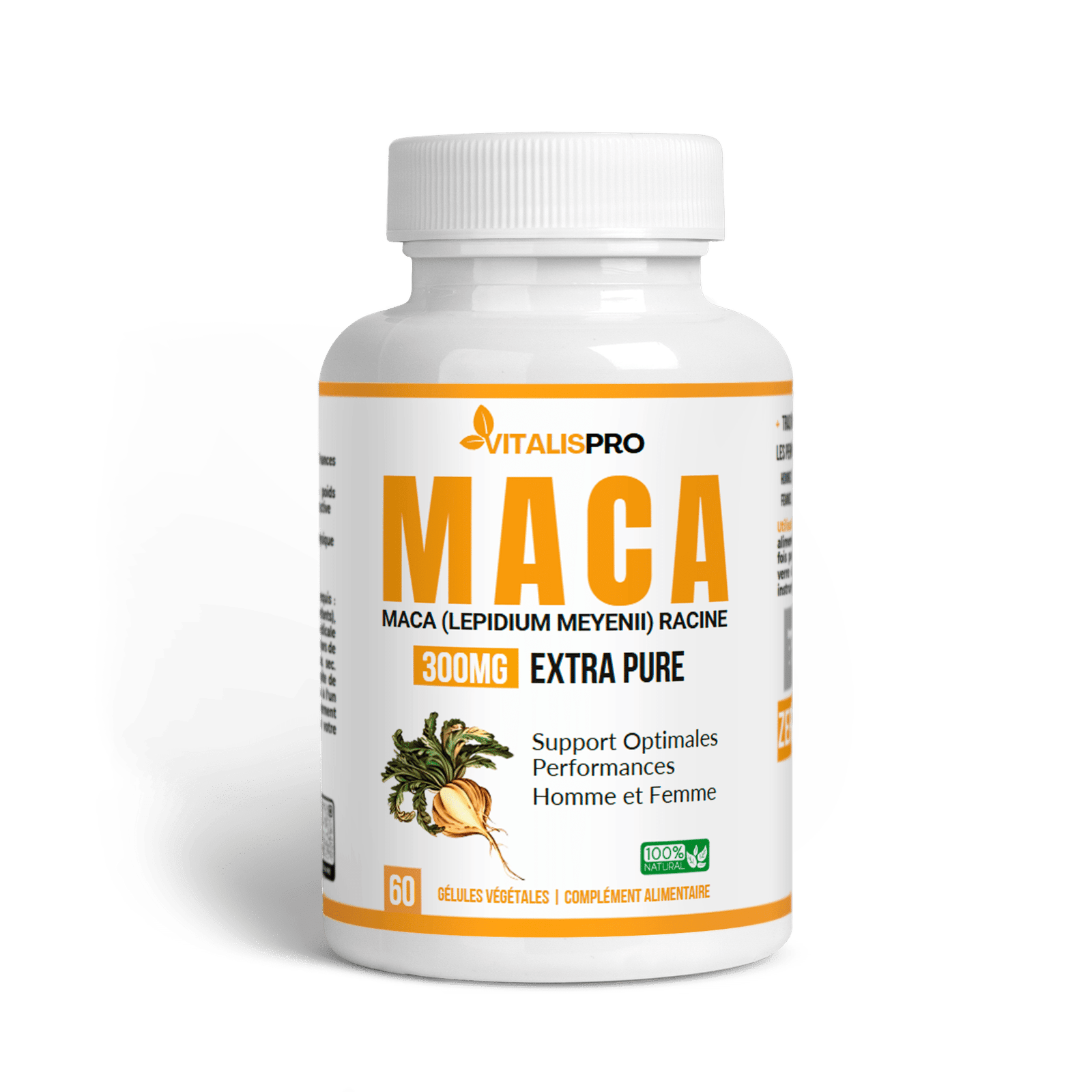
- Alphavital offers a maca formulated at 300 mg of pure root per capsule (Lepidium meyenii), in a vegetable capsule, traceable and cleanly formulated, as well as a complete vitality programme.
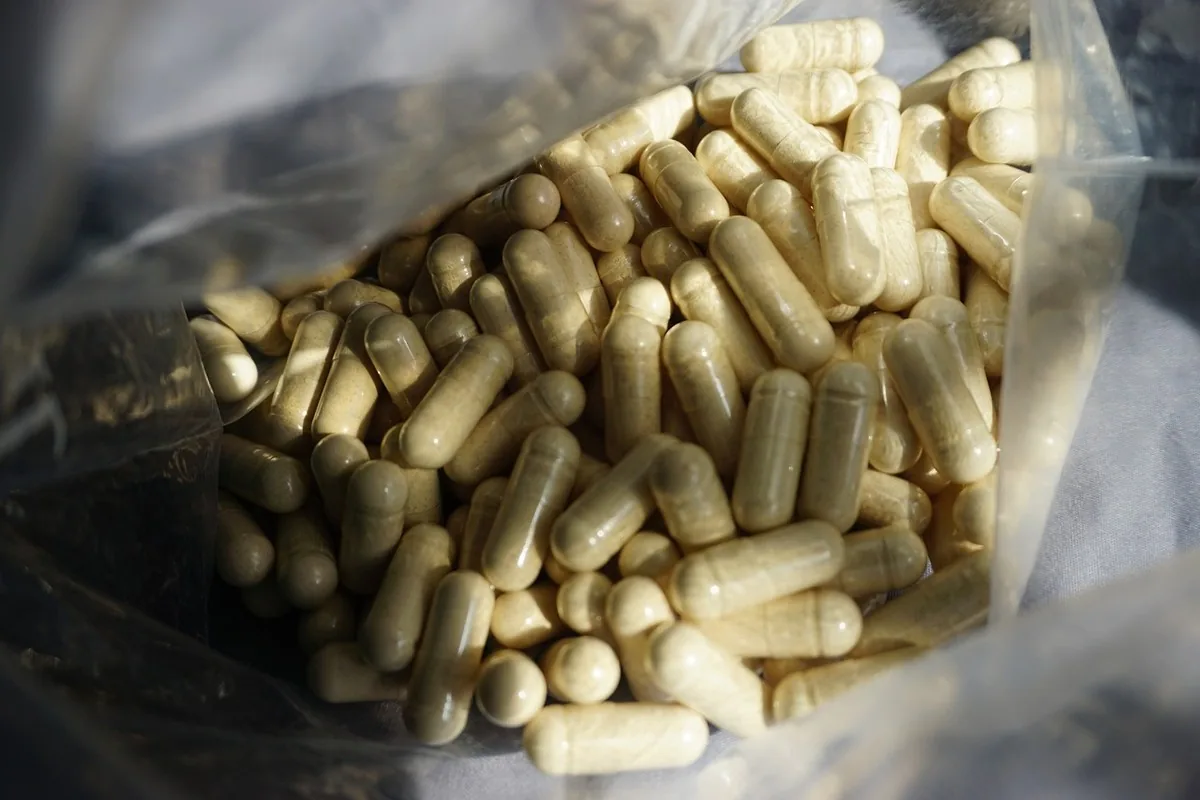
Maca: A Root Born from Extreme Altitude
Before becoming a supplement, maca is first a story of place. The plant thrives where agriculture becomes a challenge: the puna, those vast Andean plateaus sitting between 3,800 and 4,500 metres, where air is thin, nights are glacial, and solar radiation is intense. It is precisely this hostile environment that is thought to have forged the root’s nutritional richness. Like a plant shaped by its terrain, maca concentrates in its tuber what it needs to survive extreme conditions.
In Andean culture, the root is harvested, sun-dried for several weeks, then cooked or ground into powder for consumption. Families ate it as porridge, as a fermented drink, or fed it to livestock to support reproduction. This oral tradition, thousands of years old, eventually caught the attention of researchers who wanted to verify what popular knowledge had long affirmed.
Maca is not an imported trend. It is an ancestral Andean food that is now meeting the rigour of clinical research.
This meeting of tradition and science is not unique to maca. It is the hallmark of so-called adaptogenic plants: botanicals thought to help the body better withstand various forms of stress — physical, mental, or environmental. Ginseng is the best-known example, but maca belongs to the same broad functional family. Our team explored this adaptogenic mechanism in depth in its guide on ashwagandha, stress, and sleep.
Yellow, Red, and Black Maca: One Root, Some Nuances
One point deserves clarification because it directly governs finished product quality. Maca comes in several colours depending on the pigmentation of the root: yellow, the most common, but also red and black, which are rarer. These varieties share the bulk of their nutritional profile, with some differences that research has begun to document. Yellow maca remains the reference for general daily use.
This diversity also explains why not all products are equal. On the market, the gap between a pure, properly dried root powder and a diluted blend is considerable, even when both carry the same name on the label. This is precisely the boundary our team monitors closely at sourcing, as it does for every plant in the Energy & Vitality category.
What Maca Actually Contains
Behind the commercial name lies a remarkably rich nutritional profile. Maca is not simply an “active” plant in the pharmacological sense: it is above all a genuinely dense food, which explains part of its appeal, particularly for energy and weight support. Understanding this composition helps distinguish a quality root from a powder without substance.
The dried root is rich in carbohydrates, which make up its dominant portion, in plant proteins, and in dietary fibre. It also provides minerals such as iron, calcium, potassium, and zinc, along with distinctive plant compounds: macamides and macaenes — particular fatty acids found exclusively in this plant — and glucosinolates. It is this combination, not any isolated molecule, that gives maca its unique character.
A landmark scientific review surveyed the plant’s composition and pharmacology and confirmed the diversity of these compounds and the mechanistic pathways being investigated. It is available through this systematic review on Lepidium meyenii indexed on PubMed1. The researchers’ message is consistent: root quality depends on purity and controlled drying, which justifies a rigorous traceability approach.
A Non-Hormonal Root
Here is an essential nuance that is often misunderstood. Maca is sometimes grouped with plants said to “boost testosterone.” Yet the research is clear: maca does not directly alter sex hormone levels. Several trials have measured testosterone, oestrogen, and other hormonal markers without observing significant variation attributable to the root.
How, then, do we explain its effects on libido or energy? Researchers point to other pathways: an influence on the nervous system, on mood, on general well-being, rather than a direct hormonal lever. This characteristic is, in our view, an advantage: it makes maca a natural non-hormonal option of interest across diverse profiles. Our team declines to reason in terms of spectacular promises: the purity of the raw material and consistency from batch to batch matter as much as the marketing narrative. This philosophy of traceability is applied to every plant, as explained in our guide to plant proteins for athletes.
The Science: What the Studies Actually Show
This is where everything rests. The internet is full of spectacular claims about maca. Our role is to be honest about what research demonstrates, what it suggests, and what remains uncertain. Below, in plain language, are the areas where the evidence is most informative.

Libido and Sexual Well-Being
This is the most studied terrain and the one that draws the most attention. Several clinical trials have observed that maca root supplementation is associated with support of sexual desire in both men and women after a few weeks of use. Notably, this effect appears independent of hormones: it is not accompanied by a measurable rise in testosterone or oestrogen.
A systematic review collated available randomised trials on maca and sexual function, concluding that there are elements suggesting a favourable effect on desire, while calling for larger studies. This work is available through this systematic review on maca and libido indexed on PubMed2. One hypothesis put forward by researchers is that root compounds such as macamides may act on the nervous system and general well-being, rather than through a direct hormonal pathway.
Maca does not force the body’s chemistry. It seems instead to support the foundation: energy, mood, and overall well-being.
This distinction is essential and shapes our communication. Supporting a foundation is not manipulating a hormone. This is why Alphavital speaks of supporting vitality and well-being, never of guaranteed performance outcomes. This honesty is, in our view, the hallmark of a brand worthy of trust.
Energy, Endurance, and Resistance to Fatigue
Many users place this chapter first. Maca has traditionally been consumed to endure altitude and sustain stamina. Modern research has engaged with this: several works, including animal studies and some human trials, have explored its effect on physical endurance, resistance to fatigue, and the daily sense of energy.
Results are encouraging but must be handled with care: human sample sizes often remain small and protocols vary. What can reasonably be said is that maca is studied as a potential support for vitality and endurance, alongside an active lifestyle. It does not replace training, appropriate nutrition, or rest. For structuring energy intake, athletes also benefit from ensuring adequate B vitamins, as detailed in our article on B Complex, the fuel of energy and recovery.

Mood, Stress, and Inner Balance
This is a chapter that is often overlooked, yet it may be the most relevant to everyday life. As an adaptogenic plant, maca has been studied for its action on mood and psychological well-being. Some research, notably in women during the menopausal transition, has observed improvement in mood parameters and a reduction in the sense of anxiety after several weeks of supplementation.
The link between mood and vitality is far from trivial. Low mood and flagging spirits directly affect energy, appetite, and the drive to move. By supporting overall well-being, maca may therefore act on multiple fronts at once. A review of the literature on maca and health, available in full text on PubMed Central3, maps these various pathways and, as always, calls for more robust trials.
Maca and Weight Gain: What You Need to Understand
This is one of the most common motivations for seeking out maca, and it deserves precise explanation because it invites confusion. Maca is not a “weight-gain product” in any pharmaceutical sense. Its relevance here rests on two simple, natural mechanisms.
First, the root is a dense food, rich in carbohydrates and nutrients: consumed within a sufficient diet, it contributes quality calories. Second, by supporting energy, mood, and well-being, it may help restore appetite and motivation — two conditions often necessary for regaining weight when one tends to lose it. Maca therefore accompanies a weight-gain effort; it does not replace it. A sufficient, balanced, regular diet remains the foundation, as public health guidelines consistently state.
Maca does not cause weight gain on its own. It supports appetite, energy, and motivation, within the framework of adequate nutrition.
What Remains to Be Confirmed
Honesty requires stating this plainly. Maca is also associated with avenues still under investigation: fertility, sleep quality, certain markers related to menopause, and cognitive performance. These fields are promising but the research is newer and conclusions more cautious. Our editorial line is consistent: we present these subjects as areas of study, not commercial promises. A serious root deserves a serious discourse.
Maca, Ginseng, Tongkat Ali, Shilajit: Finding Your Way
Maca is not alone in the vitality landscape. Other plants and minerals share this space, and our team is regularly asked about the differences. Rather than pitting them against one another, it is more useful to understand each one’s speciality.
| Active | Origin | Primary focus |
|---|---|---|
| Maca | Root, Andes | Energy, libido, appetite, vitality |
| Red ginseng | Root, East Asia | Energy, concentration, tone |
| Tongkat ali | Root, Southeast Asia | Hormonal balance, stress |
| Shilajit | Resin, Himalayas | Minerals, cellular energy |
Each of these plants has its own history and profile. Red ginseng focuses on energy and concentration. Tongkat ali is distinguished by its action on male hormonal balance and stress. Himalayan shilajit contributes a unique mineral richness. Maca, for its part, stands out for its non-hormonal profile, nutritional density, and broad action on energy, libido, and appetite.
These plants do not compete. They complement one another, each illuminating a different facet of vitality.
This precise logic of complementarity guided our team when it designed a programme uniting these actives. The idea is not to stack promises, but to cover the full spectrum of vitality: energy, libido, stress resilience, and mineral intake. This holistic approach is at the heart of our cornerstone guide on male vitality, energy, and performance.

A Real Need in Context
Why has interest in this root grown so steadily? The answer lies in several realities of contemporary life. Urban stress, the relentless pace of large cities, lack of sleep, and irregular nutrition are all factors that weigh on energy, appetite, and mood — sometimes as early as one’s thirties.
Many people seek to regain weight after a period of fatigue, suppressed appetite, or exhausting routines; others simply want to recover their drive and vitality. Maca, a root that is both nourishing and supportive, addresses this dual need. Natural, discreet, and prescription-free, it appeals to those who want to address the root cause rather than mask fatigue with stimulants.
Climate and the rhythms of daily life play their role too. Intense summer heat, long working days, exhausting commutes in major cities: all of this drains available energy. The month of Ramadan, with its complete disruption of sleep and meal schedules, also places demands on the body, and appetite often suffers. In this context, many seek a solid, sustained support capable of accompanying these transitions rather than masking fatigue. This is where maca — a root designed for terrain, not a momentary jolt — finds its place. Our team says it often: an adaptogenic root works over time, helping the body adapt better, not pushing it artificially beyond its limits.
A Root, Not a Magic Wand
Let us be clear on a point our team repeats consistently. Maca is not a medicine, and it cannot correct a lifestyle that is depleting the body on its own. A root, however nourishing, does not replace sleep, physical activity, or a balanced diet. It is part of a whole.
This is precisely what the strongest studies show: benefits emerge when supplementation accompanies a healthy lifestyle, not when it claims to compensate for one’s absence. Public health resources remind us that a dietary supplement is not a treatment or a substitute for a balanced diet, a framework clearly summarised by the dietary supplements section of MedlinePlus5. Maca is a support, a foundation — not a effective solution. This nuance is what separates honest communication from an empty promise.
How to Use Maca Properly
A few practical guidelines help avoid the most common mistakes and allow you to get the most from a course of supplementation. Proper use matters as much as the product itself.
Maca: Dosage and Serving Guidance
Maca is generally taken in the morning or early in the day, as many find it has an energising effect. Alphavital recommends one to two 300 mg capsules of maca root per day, with a large glass of water, preferably with a meal. Consistency takes precedence over everything else: daily repetition over several weeks is what establishes the benefits observed in studies. For a weight-gain objective, maca integrates simply into a sufficient and regular diet.
How Long Should a Maca Course Last
The effects described in research most often appear after four to eight weeks of continuous use. A typical course therefore spans one to two months. Some approaches favour courses with regular breaks, the idea being to allow the body to maintain its own sensitivity. There is no universally correct duration: listening to your body and seeking advice from a healthcare professional remain the best guides.
Maca: Contraindications and Precautions
Maca is generally well tolerated, but certain precautions apply. It is best avoided in cases of hormone-sensitive conditions, when on medication, and its use is not recommended for pregnant or breastfeeding women without medical advice. Those with a chronic condition, on treatment, or with a particular medical history should consult a healthcare professional before starting. As with any concentrated supplement, the quality of the raw material and a reasonable dose matter for safety; public health resources including the LiverTox database on the NCBI Bookshelf (NIH) for herbal supplements6 underscore this requirement. This caution is not a formality: it is a condition for responsible use.
The Alphavital Approach
Diet and lifestyle first, always. But when natural support makes sense, a serious formula is essential. This is exactly the philosophy that guided our team’s work on maca.
Alphavital Maca: Clean and Precisely Dosed
Alphavital offers a maca at 300 mg of pure root per capsule, from Lepidium meyenii. The formula is intentionally clean: maca root as the active, a vegetable capsule (cellulose), and magnesium stearate of plant origin as a manufacturing excipient. Three requirements guided its design: a raw material from the root, a clear and consistent dose, and genuine traceability. The product is also free from gluten, dairy, soy, egg, peanuts, and tree nuts, as stated on the label.
This maca sits within our Energy & Vitality range, designed as a coherent ensemble. For those beginning this journey, maca alone is often the best starting point: it allows discovery of the root, observation of one’s own response, and building on a solid foundation.
A quality maca is not defined by a single number on the label. It brings together a pure root, a controlled dose, and genuine traceability.
The Complete Programme, for Going Further
For those seeking broader vitality support, our team also offers a complete programme that combines maca with three other pillars: ginseng, tongkat ali, and shilajit. The aim is to cover the full spectrum of energy and performance by bringing together plants with complementary actions rather than multiplying them arbitrarily.
This programme is intended for those who already know these plants and want a structured, coherent whole-body approach. It naturally extends discovery through maca alone, and is held to the same quality standard. Questions before you start? Our team responds directly through the Alphavital contact page.

The feedback our team receives is worth more than any marketing copy. Here are three accounts, shared with the consent of their authors.
I was coming out of a difficult period — I had lost my appetite and quite a bit of weight. I took maca for two months alongside more regular meals. Without claiming any effective, I got my desire to eat back and a genuine energy boost in the mornings. — Salma, Casablanca
I train several times a week and was looking for natural support for endurance. I added maca to my morning routine. What struck me most was an overall improvement in how I felt and much more consistency across my training sessions. — Yassine, Rabat
In my fifties, I wanted something natural and serious for vitality and mood. I chose the complete programme to cover all the angles. Three months later, I feel more stable, more settled, and with more drive day to day. — Rachid, Marrakech
These accounts illustrate a simple truth: the most lasting results come from combining lifestyle and, when useful, a well-chosen supplement.
Frequently Asked Questions about Maca
What exactly is maca?
Maca is an Andean root, botanical name Lepidium meyenii, cultivated at high altitude in Peru. Rich in carbohydrates, fibre, minerals, and distinctive compounds such as macamides, it has traditionally been consumed as a food to support energy and endurance. Modern research also studies it for its role in libido and well-being.
Does maca really help with weight gain?
Maca is not a weight-gain product in any pharmaceutical sense. As a food dense in carbohydrates and nutrients, it provides quality calories and, by supporting appetite and energy, can accompany a weight-gain effort. This support works within the framework of a sufficient and regular diet, never as a replacement for it.
Does maca increase testosterone?
No. Several clinical trials have measured sex hormones without observing variation attributable to maca. Its action on libido and energy runs through other pathways, linked to the nervous system and general well-being. This is what makes it a natural, non-hormonal option of interest across diverse profiles.
How long before maca shows results?
The benefits observed in studies most often appear after four to eight weeks of regular use. Reports and results on maca converge: it does not act in a few days — it is a sustained course of supplementation. A duration of one to two months is generally recommended to evaluate one’s personal response.
What dosage is recommended for maca capsules?
Alphavital recommends one to two 300 mg maca root capsules per day, preferably in the morning or early in the day with a large glass of water and with a meal. This dosage prioritises consistency over quantity. A typical course extends over several weeks.
Is maca suitable for both women and men?
Yes. Being non-hormonal, maca has been studied and used in both. Several works specifically focus on women, notably around mood and well-being. Pregnant or breastfeeding women, and those on medication, should nonetheless consult a healthcare professional before use.
In Summary
Maca is an Andean root whose modern scientific interest is gradually being confirmed: support of libido through a non-hormonal pathway, a sense of improved energy and endurance, mood support, and accompaniment of natural weight gain through its nutritional density. The benefits are real but progressive, and they express themselves fully within the framework of a healthy lifestyle and adequate nutrition.
Quality makes all the difference. A pure, properly dried root, a controlled dose, and genuine traceability separate a quality maca from a mere powder. This is the path Alphavital has chosen, with a transparent approach faithful to the science. Caring for your energy, libido, and appetite is not following a trend: it is a lasting investment in your vitality.
About the author. Houda Khaldi is Natural Nutrition Editorial Advisor at Alphavital. She translates scientific research into clear, practical guidance for everyday life.
Disclaimer. The information provided is for informational purposes only, based on sourced research (PubMed, EFSA, WHO). The Alphavital team does not include healthcare professionals. Consult a qualified healthcare professional before any use, if on medication, if pregnant or breastfeeding, or if you have a health condition. Dietary supplements do not replace a varied, balanced diet or a healthy lifestyle.
To support everyday energy and vitality, Alphavital offers Maca for energy, stamina and natural vitality as part of a balanced lifestyle.
Sources and References
- Gonzales G.F. — Ethnobiology and Ethnopharmacology of Lepidium meyenii (Maca), synthesis review. PubMed
- Shin B.C. et al. — Maca (L. meyenii) for improving sexual function: systematic review of randomised trials. PubMed
- Maca (Lepidium meyenii) and health: synthesis of the literature, full text. PubMed Central
- EFSA — European framework on health claims for dietary supplements. European Food Safety Authority (EFSA)
- Dietary supplements: public health guidelines. MedlinePlus (National Library of Medicine)
- Herbal supplements: safety profile. LiverTox, NCBI Bookshelf (NIH)