

Spirulina often lands in the basket after a tiring week, on the advice of a friend who swears by it. Then come the questions people rarely ask out loud: is it safe every day, why does my stomach feel odd at first, and what is it really doing? Here are the spirulina benefits that studies measured, the side effects worth knowing, and how to start well.
You see it everywhere: as powder in colourful bowls, as tablets in gym bags, invariably cited as the quintessential “superfood”. Spirulina fascinates as much as it intrigues. Is it yet another trend, or genuinely a food apart? A measured, well-documented answer deserves more than a slogan. Because behind this microalgae lies one of the most nutritionally dense profiles ever recorded, studied for decades by laboratories around the world.
In Morocco, spirulina meets a genuine need. Between persistent fatigue, the widespread iron deficiency in women, and the growing desire to care for one’s health naturally, many are searching for something simple, reliable and accessible. Our team receives the same question every week: does spirulina live up to its promises? In this guide, we separate what is solidly established from what amounts to hype — helping you to understand, and then to choose with full knowledge.
By Houda Khaldi, Natural Nutrition Editorial Adviser · Published 11 August 2026 · 19 min read
Contenu de la page
- 1 Key Takeaways
- 2 What is spirulina, really?
- 3 Spirulina and energy: what science says about iron
- 4 Spirulina and iron (anaemia): understanding the real contribution
- 5 Beyond iron: immunity, antioxidants and phycocyanin
- 6 How to choose your spirulina: the real quality criteria
- 7 How to dose and use spirulina daily
- 8 Spirulina and Moroccan cuisine: the right food combinations
- 9 The Alphavital approach: spirulina alone or in synergy
- 10 Three readers share their experience
- 11 Spirulina benefits: what the studies actually measured
- 12 Spirulina side effects: what is common, what is rare
- 13 How to start spirulina: a simple three-week plan
- 14 When tiredness has more than one cause
- 15 Frequently asked questions about spirulina and its benefits
- 15.1 What are the main benefits of spirulina?
- 15.2 Does spirulina really help with fatigue?
- 15.3 Can spirulina replace a treatment for anaemia?
- 15.4 How should I dose spirulina?
- 15.5 How do I recognise quality spirulina?
- 15.6 Is spirulina truly effective for detox?
- 15.7 Are there precautions to know about with spirulina?
- 15.8 Is spirulina a good source of vitamin B12?
- 15.9 Why are my stools darker since I started spirulina?
- 15.10 Is spirulina safe to take every day?
- 16 In summary
Key Takeaways
- Spirulina is a microalgae among the most concentrated plant-based sources of iron, complete proteins and antioxidant pigments — a rare nutritional profile that explains its superfood reputation.
- The iron it provides contributes to the normal formation of red blood cells and haemoglobin, and to reducing fatigue — effects of iron recognised by European food-safety authorities.
- Multiple scientific studies describe its antioxidant and immunomodulatory properties, and its value as a supplementary nutritional support, notably via phycocyanin, its signature blue pigment.
- Choosing well means prioritising pure, traceable, ONSSA-certified spirulina and dosing it progressively: start low, increase over a few days, take with a meal that includes a source of vitamin C.
- Alphavital offers Pure Spirulina 500 mg as a daily vitality habit, and the spirulina and moringa combination for broader support — two ONSSA-certified formulas designed with transparency and science.
What is spirulina, really?
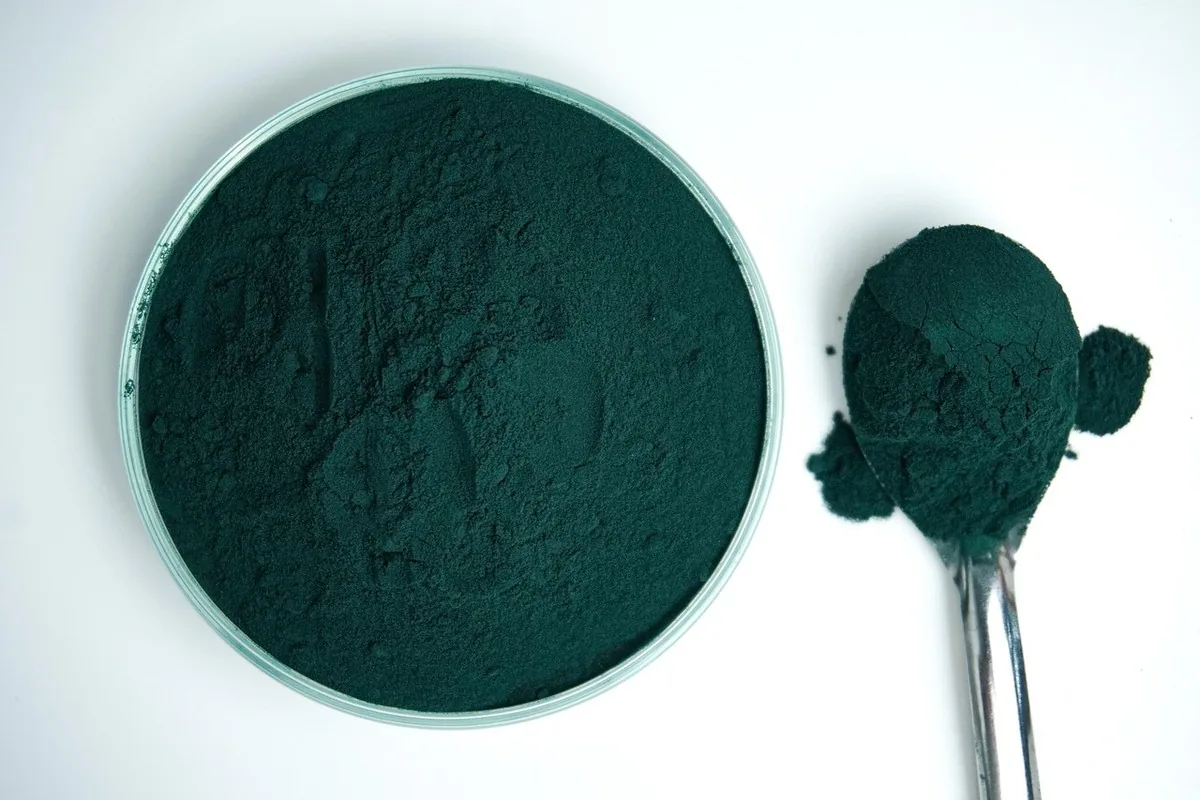
Let us start with the fundamentals, because spirulina carries a fair share of misconceptions. It is not a plant in the classic sense, nor a marine algae like wakame. It is a cyanobacterium — a freshwater micro-organism capable of photosynthesis, thriving in warm, sunny alkaline lakes. Its intense colour comes from two pigments: chlorophyll (green) and phycocyanin (deep blue), which gives spirulina its singular iridescence.
This micro-organism is ancient — very ancient. Cyanobacteria are estimated to be among the earliest life forms to have produced oxygen on Earth. Closer to modern times, certain populations in Africa and Central America were already harvesting it as food. Today it is cultivated under controlled conditions, then gently dried at low temperatures to preserve its compounds, and presented in powder or tablet form.
Spirulina is not a medicine and makes no such claim. It is a food — but a food of exceptional nutritional density, and that changes a great deal.
Why call it a “superfood”? The term has no strict regulatory definition and must be treated with caution when used as a marketing argument. But in spirulina’s case it rests on a measurable fact: weight for weight, very few foods combine so much protein, iron, vitamins and antioxidant pigments. It is this concentration — more than any isolated spectacular effect — that justifies the attention it receives.
An extraordinary nutritional profile
The numbers speak for themselves. Dried spirulina contains approximately 60 to 70% high-quality proteins, with all essential amino acids. It provides notable quantities of iron, B-group vitamins, beta-carotene (a precursor to vitamin A), and minerals such as magnesium and potassium. The reference nutritional database of the US Department of Agriculture details this composition of dried spirulina1.
An honest caveat is in order, however. Spirulina is consumed in small quantities — a few grams per day. At usual doses it therefore does not provide as much protein as a complete meal: it is a concentrate, not a meal replacement. Its real value lies in its density of micronutrients and active compounds, not in massive protein coverage. Keeping this in mind already sets you apart from exaggerated claims.
Spirulina and energy: what science says about iron
The first benefit associated with spirulina is energy. This is no coincidence, nor is it magic: behind that sensation of recovered vitality lies a precise biological logic, centred on iron.

To understand this, we need to follow oxygen. Every cell in our body requires oxygen to produce energy. Yet oxygen does not travel alone: it is transported by haemoglobin, a protein housed in red blood cells whose very core is an atom of iron. When iron is lacking, the body produces less haemoglobin, the blood carries less oxygen, and fatigue sets in. European authorities recognise that iron contributes to the normal formation of red blood cells and haemoglobin, to the normal transport of oxygen, and to the reduction of tiredness and fatigue. These claims are documented in the EFSA scientific opinion on iron2.
Spirulina, a concentrated plant-based source of iron, fits naturally within this logic. It does not “give” energy in the sense of a sudden jolt, the way a stimulant would. Rather, it supplies a raw material the body needs to produce its sustained, foundational energy — the kind that lasts. The distinction is essential: no peak-and-crash effect, but support for the underlying terrain.
Why fatigue is so common, especially in women
Iron-deficiency anaemia remains the most widespread nutritional deficit in the world, with women of childbearing age in the front line. A landmark review published in The Lancet underlines the scale of the problem, as detailed in this overview available on PubMed3. Globally, the World Health Organization estimates that anaemia affects a very large proportion of women, with regions of Africa among the most severely concerned, as stated in the WHO fact sheet on anaemia4.
This is why so many people feel better once they incorporate a regular iron source into their routine. Spirulina is not a treatment for established anaemia — and that should be stated clearly. But as an iron-dense food integrated daily, it has every place in a natural energy strategy. This is precisely the role our team assigns to it.
Spirulina and iron (anaemia): understanding the real contribution
Since iron is central to spirulina’s appeal, let us take the time to address the subject with rigour. This is the area where the most approximations circulate, in both directions.
Plant-based iron: how to use it intelligently
Spirulina’s iron is of plant origin — what is known as non-haem iron. Like all plant-based iron, it is less readily absorbed than iron from meat, but this absorption can be significantly improved. The key is two words: vitamin C. Consumed at the same time, it noticeably increases the assimilation of non-haem iron. This effect is so well established that European authorities have validated it: vitamin C improves the absorption of non-haem iron, as confirmed by the EFSA opinion on vitamin C and iron absorption5.
The daily translation is straightforward. Taking spirulina with a piece of fruit, a glass of fresh orange juice, or a squeeze of lemon multiplies the effectiveness of its iron. Conversely, tea and coffee consumed at the same time inhibit absorption; better to enjoy them an hour later. A detail that matters considerably in Morocco, where mint tea accompanies almost every meal.
What spirulina can — and cannot — do
Let us be precise, because this is a matter of integrity. Spirulina is a foundational nutritional support. It accompanies an iron-rich diet, maintains the underlying terrain, and fits into a vitality routine. But against a clinically diagnosed anaemia — confirmed by a blood test — it does not replace medical management. In that case the healthcare professional defines the appropriate course of action, and spirulina may, where relevant, accompany a routine once stores have been replenished and with the professional’s agreement.
This honesty does nothing to diminish its value; it simply defines it. For the person who wants to support their energy, prevent a depleting terrain, or simply enrich a diet sometimes poor in iron, spirulina is a pertinent ally. To rebuild genuinely low stores, a targeted iron approach combined with vitamins B9 and B12 takes over. The two logics complement each other far more than they conflict.
Beyond iron: immunity, antioxidants and phycocyanin
Reducing spirulina to its iron alone means missing the essential. Its richness also lies in its pigments — and in particular in one fascinating blue compound: phycocyanin.
Phycocyanin, the signature blue pigment
Phycocyanin is the pigment that gives spirulina its bluish iridescence. Beyond colour, it is one of the most studied compounds in the algae. Numerous studies describe its antioxidant properties — its ability to help the body combat oxidative stress, the cellular wear process implicated in ageing and a wide range of imbalances. A review published in Archives of Toxicology documents the antioxidant, immunomodulatory and anti-inflammatory properties of spirulina, as detailed in this scientific overview on PubMed6.
Iron supplies the fuel; phycocyanin and antioxidant pigments protect the engine. It is this combination that makes spirulina more than a simple iron source.
Documented immune support
The other area of interest for spirulina concerns the immune system. Several studies describe a modulatory effect on certain immune defence cells. A systematic analysis of clinical trials, published and referenced in the American medical library, reviews the effects of spirulina in humans, as reported in this review available on PubMed7. The researchers highlight spirulina’s value as a nutritional support while calling for further studies — the hallmark of honest science.
For Alphavital, this nuance is precious. We do not claim that spirulina “boosts immunity” like an infallible shield. We say, more accurately, that it provides nutrients and compounds the body can use, and that it integrates well within a health-conscious lifestyle oriented towards vitality. For a deeper dive into natural defences, our team has gathered its key references in the comprehensive guide to strengthening natural defences.
And what about detox?
The word “detox” is overused and must be handled with care. The body has its own purification organs — the liver and kidneys first and foremost — which no food replaces. What science suggests, more modestly, is that spirulina, through its richness in chlorophyll and antioxidant pigments, can support the body’s natural functions and help combat oxidative stress. Experimental work has explored its protective role, for instance in relation to certain pollutants, but this data remains preliminary.
Our position is therefore clear and measured: spirulina is not a “detox cure” in the popular sense. It is a dense food that supports a healthy terrain, as part of a balanced diet, good hydration and a lifestyle that is kind to the body. Seen this way, it has every place. Promoted as a rapid cleanse, it would be mythology. Transparency here is a matter of respect.
How to choose your spirulina: the real quality criteria
Not all spirulinas are equal, and this is arguably the most important point in this guide. Good spirulina is, first and foremost, a question of cultivation, drying and control. Here is what makes the difference.
Purity and traceability above all
The primary risk with poor-quality spirulina is contamination: an algae cultivated in a poorly controlled environment can concentrate undesirable elements present in its water. This is why traceability is not a detail — it is the core of quality. Trustworthy spirulina comes from a controlled culture, is analysed, and offers genuine transparency about its origin and testing. At Alphavital this is a non-negotiable principle: our formulas are ONSSA-certified, guaranteeing an official regulatory framework in Morocco.
Drying: what preserves or destroys the actives
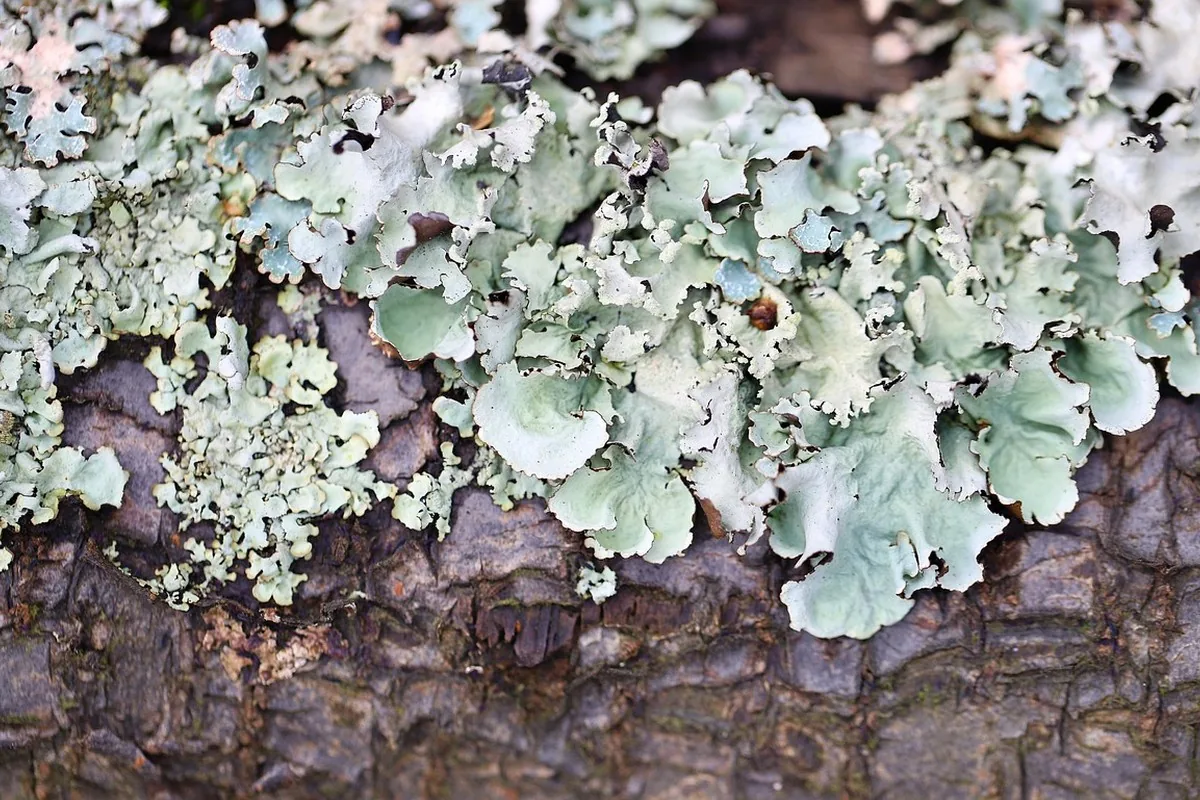
Spirulina is fragile. Drying at excessively high temperatures degrades its pigments and some of its most valuable compounds, starting with phycocyanin. Quality spirulinas are dried at low temperatures, which preserves the intense colour and richness of active compounds. A dull green or brownish colour often betrays a poorly handled product. Colour is not merely aesthetic: it is a quality indicator.
Powder or tablets: a matter of practicality
Powder offers great flexibility — in a juice, smoothie or yoghurt — but its pronounced, iodine-like taste does not appeal to everyone. Tablets remove this sensory barrier and guarantee a precise, consistent dose, which encourages regularity: the true secret to seeing results. This logic of simplicity and consistency guided the format of our Pure Spirulina 500 mg in tablets.
| Criterion | What to look for | Alphavital benchmark |
|---|---|---|
| Purity | Pure spirulina, no unnecessary additives | Pure formula, ONSSA-certified |
| Traceability | Transparent origin and testing | Traceable batches, ONSSA framework |
| Colour | Deep green, sign of gentle drying | Intense green preserved |
| Format | Precise, regular dosing | 500 mg measured tablets |
| Synergy | Useful combinations (moringa, iron) | Spirulina alone or + moringa |
How to dose and use spirulina daily
Good spirulina used incorrectly yields disappointing results. A few simple guidelines change everything, and they all stem from one logic: go gradually, then stay consistent.

Start gently: the progressive ramp-up rule
The classic mistake is to start at full dose. Because spirulina is such a dense food, some people experience mild digestive discomfort in the first few days if the dose is too high immediately. The solution is simple: begin with a small amount, then gradually increase over a few days to the regular dose. This gentle ramp-up gives the body time to adapt and noticeably improves comfort.
The right moment and the right pairing
Spirulina is ideally taken during a meal, which improves tolerance, and preferably with a source of vitamin C to optimise absorption of its iron. Many people prefer it in the morning or at lunch to fuel the day, rather than in the evening. As for tea and coffee, keep them away from the dose — as discussed — to avoid inhibiting iron. These habits cost nothing and genuinely affect real-world efficacy.
Consistency: the real secret
This is the decisive point. The benefits of a foundational food like spirulina do not appear in two days — they build over weeks of regular intake. A course of several weeks, renewed according to needs and seasons, yields better results than irregular, intense use. Consistency beats intensity, every time.
Precautions: when to seek advice
Spirulina is well tolerated by most people, but certain situations call for caution. In cases of pregnancy, breastfeeding, ongoing medical treatment, chronic conditions, or for those with iron-accumulation disorders, the advice of a healthcare professional should be sought before starting. Respecting indicated doses and choosing a traceable spirulina are also essential. The reference note on spirulina as a food supplement from ANSES8 outlines these common-sense guidelines.
Spirulina and Moroccan cuisine: the right food combinations
Spirulina does not exist in a vacuum. It thrives within an already rich diet, and Moroccan cuisine offers a remarkable terrain for making the most of it.
The vitamin C reflex, omnipresent in our dishes
As noted, vitamin C multiplies the absorption of spirulina’s plant-based iron. And our tables are full of it: the tomatoes in salads, lemon on fish, orange and pomegranate for dessert, parsley and coriander in almost every dish. Slipping a spirulina dose into a meal that already contains these allies means activating the synergy effortlessly. A glass of fresh orange juice beside the tablets, and the task is done.

Legumes and dried fruits: natural partners
Spirulina complements an already iron-rich heritage beautifully. The lentils in harira, the chickpeas in couscous, the dates and dried apricots of shared moments — all provide iron and folate. Spirulina adds its density to this whole without replacing anything. It is an addition, not a substitute. In this continuity with the plate it finds its full meaning.

The moments when spirulina makes the most sense
Certain periods place greater demands on reserves and call for foundational support. Seasonal fatigue, seasonal transitions, examination and high-pressure periods, or Ramadan — when meal organisation is compressed into a few hours — are all occasions where a nutrient-dense food like spirulina proves useful. Anticipating the dip is always better than weathering it unprepared.
The Alphavital approach: spirulina alone or in synergy
In response to all these questions, Alphavital has developed a coherent approach, true to science and transparency rather than spectacular promises. It is built around two complementary offerings.
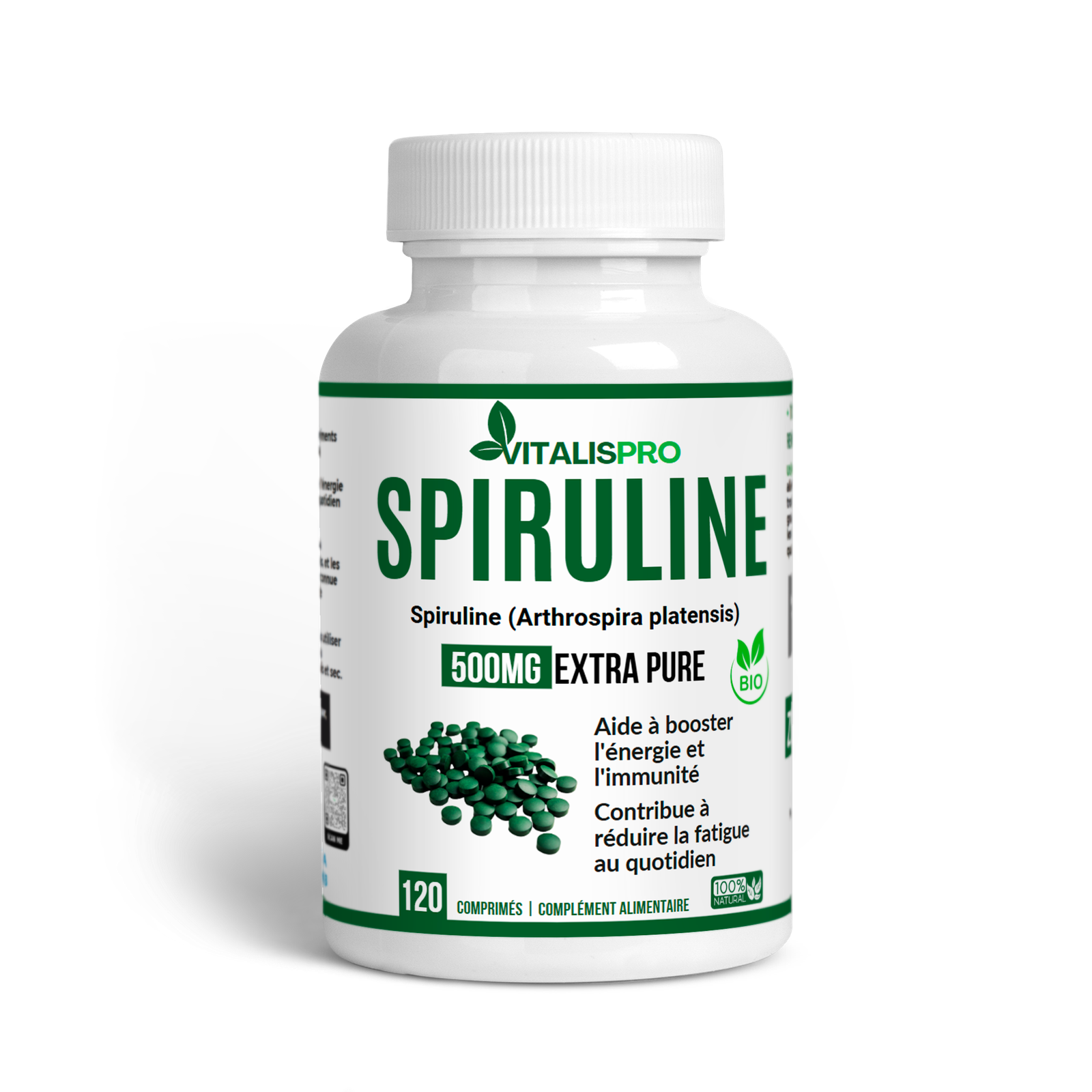
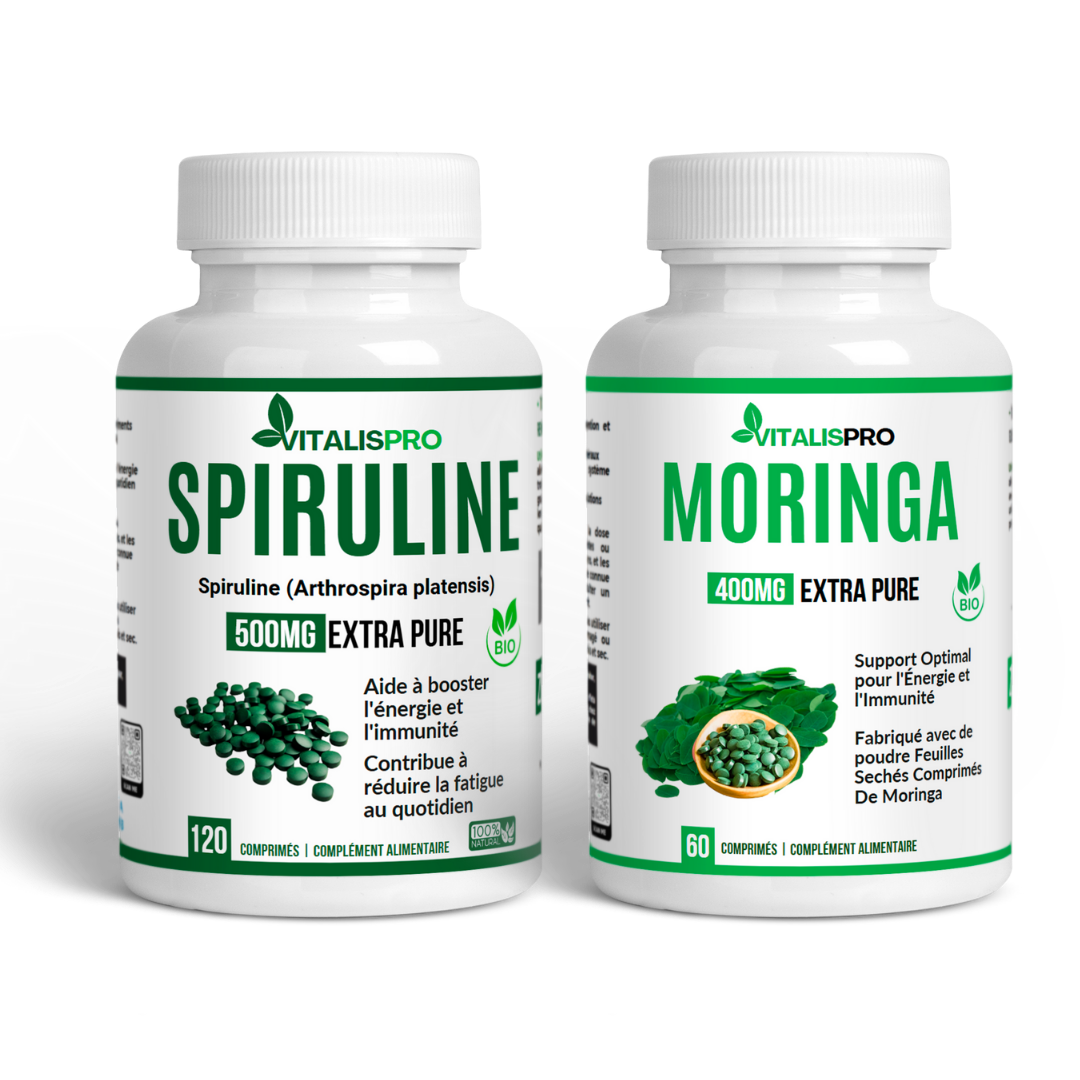
The first is Pure Spirulina 500 mg, conceived as a daily vitality habit. A superfood naturally rich in iron, complete proteins and antioxidants, it fits simply into an energy and immunity routine, across all seasons. Its pure, ONSSA-certified formula presented in measured tablets has one overriding aim: making consistency easy, because consistency is what makes the difference.
The second, for those seeking broader support, is the spirulina and moringa combination, which unites two superfoods in a single course. Moringa, another micronutrient powerhouse, complements spirulina for energy, immunity and terrain depleted by fatigue. Both formulas are part of our energy and vitality range, as well as the Anaemia & Iron category for iron-store support.
The feedback our team receives is worth more than any discourse. Here are three testimonials, shared with the agreement of their authors.
I wanted a simple habit to support my energy without multiplying products. Spirulina in tablet form, every morning with orange juice, has become a reflex. After a few weeks I found a more stable energy baseline throughout my days. — Salma, Rabat
I had tried spirulina powder but the taste put me off. The tablets changed everything: no barrier any more, I keep to my routine without effort. Consistency was the factor that made the difference for me. — Younes, Tangier
During exam season I was looking for natural support. I incorporated spirulina and moringa into my habits, alongside a careful diet and better sleep. What I appreciated was the transparency: no magical promises, just a dense food. — Hajar, Casablanca
These accounts illustrate a simple truth: the most lasting results come from combining the right diet, lifestyle and a well-chosen supplement taken consistently. A question before you start? Our team responds directly via the Alphavital contact page.
Spirulina benefits: what the studies actually measured
Spirulina is often sold with a long list of promises. The human studies are fewer and smaller than the marketing suggests, but some of them are worth knowing in detail.
| Study (author, year) | Who, how much, how long | What was found |
|---|---|---|
| Selmi, 2011 | 40 adults aged 50 and over with a history of anaemia, daily spirulina, 12 weeks (30 completed) | Steady rise in a red blood cell marker (mean corpuscular haemoglobin) and in some immune markers. No comparison group. |
| Kalafati, 2010 | 9 trained men, 6 g a day, 4 weeks, compared with placebo | Ran longer before exhaustion after a 2-hour run, and burned more fat during exercise. |
| Serban, 2016 | 7 randomised trials pooled together | Lower total and LDL cholesterol and triglycerides, higher HDL. Longer use was linked to larger changes. |
| Marles, 2011 | US Pharmacopeia expert review of trials, animal data and 31 adverse event reports | Spirulina was given a Class A safety rating, the level that allows quality standards to be written for it. |
The most interesting signal for everyday energy comes from older adults: over twelve weeks, a marker linked to how much haemoglobin red blood cells carry kept rising9. In a small sports study, trained volunteers lasted longer at the end of a long run after four weeks of spirulina10. Pooled trials also point to changes in blood fats11. On safety, a formal US Pharmacopeia review placed spirulina in its highest class12.
What this does not show. These studies are small. The anaemia study had no placebo group, and its authors themselves call for larger randomised trials. The sports study involved only nine people and used 6 g a day, which is twice the top of the range we suggest for our 500 mg tablets. The blood fat results do not make spirulina a replacement for anything a doctor prescribes. In short, spirulina is a nutrient-dense food that has been studied for energy and recovery, not a remedy.
Spirulina and vitamin B12: a common myth
Spirulina is often presented as a B12 source for people who eat little meat. A Japanese analysis of spirulina tablets found that 83% of the B12-like compounds they contained were pseudovitamin B12, a form the human body cannot use13. If you eat little or no meat, fish, eggs or dairy, do not count on spirulina for your B12.
Spirulina side effects: what is common, what is rare
Common and harmless
- A heavy or bloated stomach in the first days, sometimes mild nausea. This is the most frequent complaint and it usually fades with a slower start and enough water.
- Darker or greenish stools. These come from the plant pigments and are not a sign of a problem.
Rare, but worth knowing
- Contamination. Spirulina grown in poorly controlled water can pick up toxins made by other algae. In a Canadian analysis, 8 of 18 algae supplements contained cyanotoxins above tolerable daily intake values14. This is why batch testing matters. Alphavital spirulina is made under the ISO 22000 food safety standard and controlled batch by batch.
- Autoimmune conditions. Doctors have reported flares of autoimmune skin and muscle diseases in people taking supplements that stimulate the immune system, spirulina among them15. These are rare case reports, but people living with an autoimmune condition, or taking medicines that calm the immune system, should ask their doctor first.
- Phenylketonuria (PKU). Spirulina is rich in protein and contains phenylalanine, so it is not suitable for people with PKU.
How to start spirulina: a simple three-week plan
Most early discomfort comes from starting too high. Alphavital suggests 2 to 6 tablets of 500 mg a day, always with meals and a large glass of water, which is 1 to 3 g of spirulina. Here is a gentle way to get there.
- Week 1: 2 tablets a day, with lunch.
- Week 2: 4 tablets a day, split between breakfast and lunch.
- Week 3 onwards: up to 6 tablets a day if your stomach is comfortable and your days are demanding. Many people stay at 4.
During Ramadan, split the day’s tablets between iftar and suhoor, and drink water through the evening, especially in the hot months. If you already take an iron supplement prescribed by your doctor, mention spirulina at your next visit: it adds a little more iron, and the total is what your doctor follows. Do not expect a coffee-like kick. Spirulina has no stimulant effect; what people look for is steadier energy across the week.
Keep this routine for one to two months, then take stock. People with busy days, students in exam season, parents with short nights or people who train often tend to use it during their heaviest periods. The Alphavital Spirulina 500 mg comes in measured tablets, which makes this step-by-step start easy to follow.
When tiredness has more than one cause
Spirulina brings plant iron and protein, but tiredness often has several causes at once. If you eat little meat, or your meals are often rushed, the Energy & Fatigue Bundle covers what spirulina cannot. Low iron on a blood test is for your doctor to manage. It combines iron with vitamins B9 and B12, vitamin C, which increases iron absorption, and Mag-Complex magnesium. Iron, B9, B12, vitamin C and magnesium all contribute to the reduction of tiredness and fatigue under EU-approved wording, and each works on a different link of the chain. Many people notice the magnesium about 30 minutes after their first dose. And if your interest in spirulina is mostly about “detox”, which in practice means supporting the liver and kidneys in their own daily work, browse our Purifying & Wellness range.
Frequently asked questions about spirulina and its benefits
What are the main benefits of spirulina?
Spirulina is one of the most concentrated plant-based sources of iron, complete proteins and antioxidants. The iron it provides contributes to the normal formation of red blood cells and to reducing tiredness and fatigue — effects recognised by European authorities. It is also studied for its antioxidant pigments, such as phycocyanin, and its value as a supplementary nutritional support, notably for immunity.
Does spirulina really help with fatigue?
Indirectly, yes — through its iron content. Iron is indispensable for transporting oxygen in the blood; when it is lacking, fatigue sets in. As a plant-based source dense in iron, spirulina supports this underlying mechanism. It does not act like a stimulant: it supplies the raw material for energy, over time and with regularity.
Can spirulina replace a treatment for anaemia?
No. Spirulina is an iron-rich superfood, useful as foundational support and for maintaining energy. It does not replace medical management of a clinically diagnosed anaemia. In cases of anaemia confirmed by a blood test, follow the advice of your healthcare professional; spirulina may accompany a vitality routine once stores are replenished and with professional agreement.
How should I dose spirulina?
The principle is to start with a small dose, then gradually increase over a few days to the regular amount, giving the body time to adapt. Take it preferably during a meal with a source of vitamin C, and away from tea and coffee. Regularity over several weeks takes priority over intensity.
How do I recognise quality spirulina?
Good spirulina is pure, traceable and comes from a controlled culture. Its deep green colour attests to a gentle drying process that preserves pigments and active compounds. An official certification — such as ONSSA in Morocco — confirms a regulatory framework. Alphavital’s Pure Spirulina 500 mg is ONSSA-certified and presented in measured tablets to facilitate consistency.
Is spirulina truly effective for detox?
The word “detox” must be put in perspective: the body naturally purifies itself through the liver and kidneys, which no food replaces. Through its richness in chlorophyll and antioxidants, spirulina can support these natural functions and help combat oxidative stress. It is not a rapid cleansing cure, but a dense food that supports a healthy terrain alongside a sound lifestyle.
Are there precautions to know about with spirulina?
Yes. In cases of pregnancy, breastfeeding, ongoing treatment, chronic conditions or iron-accumulation disorders, seek professional advice before starting. Pure, traceable spirulina — such as Alphavital’s ONSSA-certified Spirulina 500 mg — and adherence to indicated doses remain the common-sense guidelines. A progressive dose increase improves digestive comfort in the first few days.
Is spirulina a good source of vitamin B12?
No. An analysis of spirulina tablets found that most of the B12-like compounds they contained were pseudovitamin B12, which the human body cannot use13. People who eat little or no animal food should get B12 from a reliable supplement or fortified foods, and check their level with a blood test.
Why are my stools darker since I started spirulina?
Spirulina is rich in green and blue pigments, chlorophyll and phycocyanin, and part of them passes through the gut. Darker or greenish stools are expected and harmless. If you notice black, tarry stools, or blood, see a doctor promptly: that needs checking whatever you take.
Is spirulina safe to take every day?
For most healthy adults, yes, at the suggested amounts and from a tested source. A US Pharmacopeia expert review gave spirulina its Class A safety rating12. Stay within 2 to 6 of our 500 mg tablets a day, take a break after one to two months, and ask a doctor first if you have an autoimmune condition, PKU, or take regular medicines.
In summary
Spirulina deserves its superfood reputation — provided we look at it with clear eyes. Its strength lies in a rare nutritional density: it ranks among the most concentrated plant-based sources of iron, complete proteins and antioxidant pigments. The iron it carries supports red blood cell formation and the reduction of fatigue — effects recognised by European authorities. Its pigments, starting with phycocyanin, earn it genuine scientific interest for their antioxidant properties and immune support.
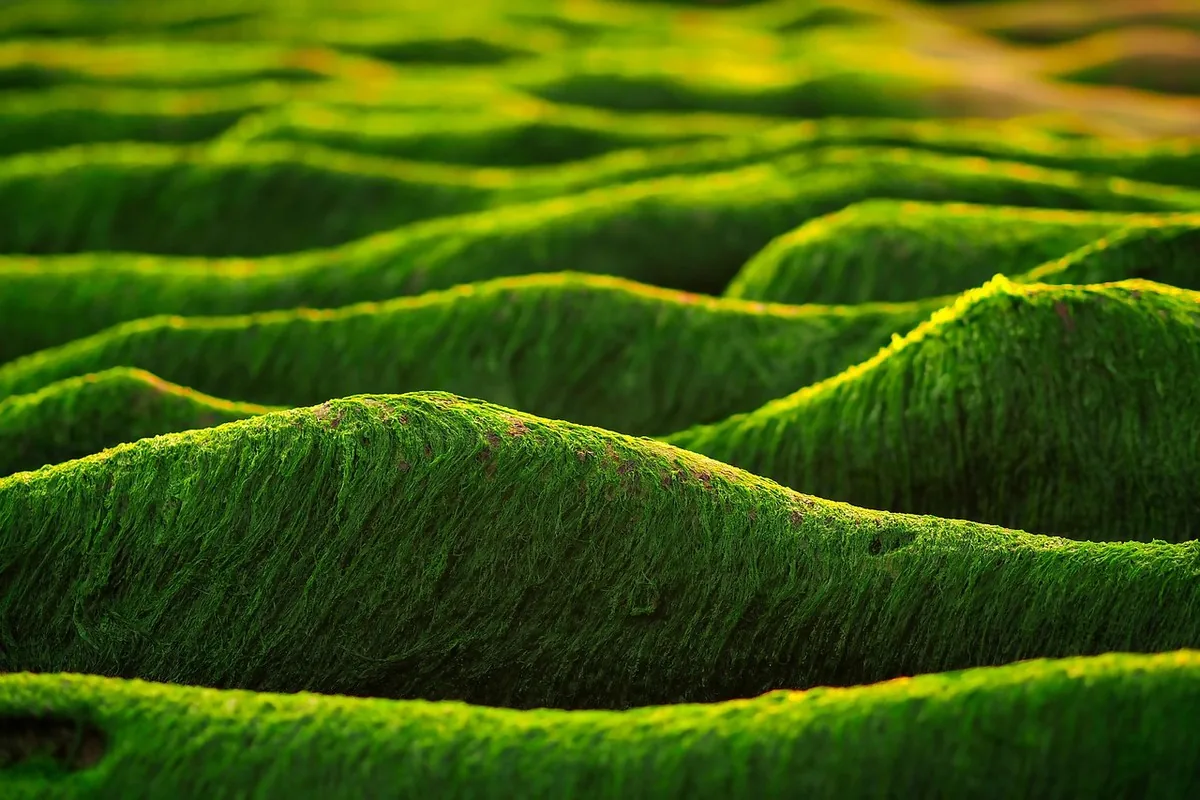
Choosing well means prioritising pure, traceable, ONSSA-certified spirulina with its deep green colour. Using it well means starting gently, taking it at mealtimes with a source of vitamin C, and staying consistent over the long term. Seen this way — without effective promises or express supports — spirulina becomes a simple, reliable vitality habit. This is exactly the path Alphavital has chosen, with Pure Spirulina 500 mg and the spirulina and moringa combination: a transparent approach, faithful to science, and rooted in our Moroccan traditions.
About the author. Houda Khaldi is Natural Nutrition Editorial Adviser at Alphavital. She translates scientific research into clear, actionable guidance for everyday Moroccan life.
Disclaimer. The information presented is provided for guidance only, based on sourced research (PubMed, EFSA, WHO, ANSES). The Alphavital team does not comprise healthcare professionals. Please consult a qualified healthcare professional before any use, in cases of ongoing treatment, pregnancy or breastfeeding, or medical conditions. Food supplements do not replace a varied, balanced diet and a healthy lifestyle.
Sources and references
- Dried spirulina — detailed nutritional composition (proteins, iron, vitamins, minerals). USDA FoodData Central
- Scientific opinion on health claims related to iron (haemoglobin and red blood cell formation, oxygen transport, reduction of fatigue). EFSA
- Camaschella C. — Iron deficiency anaemia, landmark review (The Lancet). PubMed
- Anaemia, fact sheet and global estimates. World Health Organization
- Scientific opinion on vitamin C and absorption of non-haem iron. EFSA
- Wu Q. et al. — Antioxidant, immunomodulatory and anti-inflammatory activities of spirulina (Archives of Toxicology). PubMed
- Karkos PD, et al. Spirulina in clinical practice: evidence-based human applications. Evid Based Complement Alternat Med. 2011;2011:531053. PubMed
- Spirulina-based food supplements — guidelines and precautions. ANSES
- Selmi C, et al. The effects of Spirulina on anemia and immune function in senior citizens. Cell Mol Immunol. 2011;8(3):248-54. PubMed 21278762
- Kalafati M, et al. Ergogenic and antioxidant effects of spirulina supplementation in humans. Med Sci Sports Exerc. 2010;42(1):142-51. PubMed 20010119
- Serban MC, et al. A systematic review and meta-analysis of the impact of Spirulina supplementation on plasma lipid concentrations. Clin Nutr. 2016;35(4):842-51. PubMed 26433766
- Marles RJ, et al. United States pharmacopeia safety evaluation of spirulina. Crit Rev Food Sci Nutr. 2011;51(7):593-604. PubMed 21793723
- Watanabe F, et al. Pseudovitamin B(12) is the predominant cobamide of an algal health food, spirulina tablets. J Agric Food Chem. 1999;47(11):4736-41. PubMed 10552882
- Roy-Lachapelle A, et al. Detection of Cyanotoxins in Algae Dietary Supplements. Toxins (Basel). 2017;9(3):76. PubMed 28245621
- Lee AN, Werth VP. Activation of autoimmunity following use of immunostimulatory herbal supplements. Arch Dermatol. 2004;140(6):723-7. PubMed 15210464