

Most people start biotin after a bad week in front of the mirror, hoping for a quick change. Hair does not work like that, and biotin does not help everyone in the same way. It matters most when your intake is low, and it can quietly change some blood test results. This guide shows what the studies measured, who is most likely to benefit, and what to tell the lab.
The handful of hair in the brush every morning. The strands on the pillow, in the shower, on the edge of the sink. A hairline that seems to be retreating, lengths that thin out, nails that snap at the slightest knock. Hair loss is almost never purely an aesthetic concern: it touches self-image and confidence, and it drives thousands of Moroccans to search for answers. The good news is that a large proportion of these situations can be explained — and understanding the causes is already the first step toward a solution.
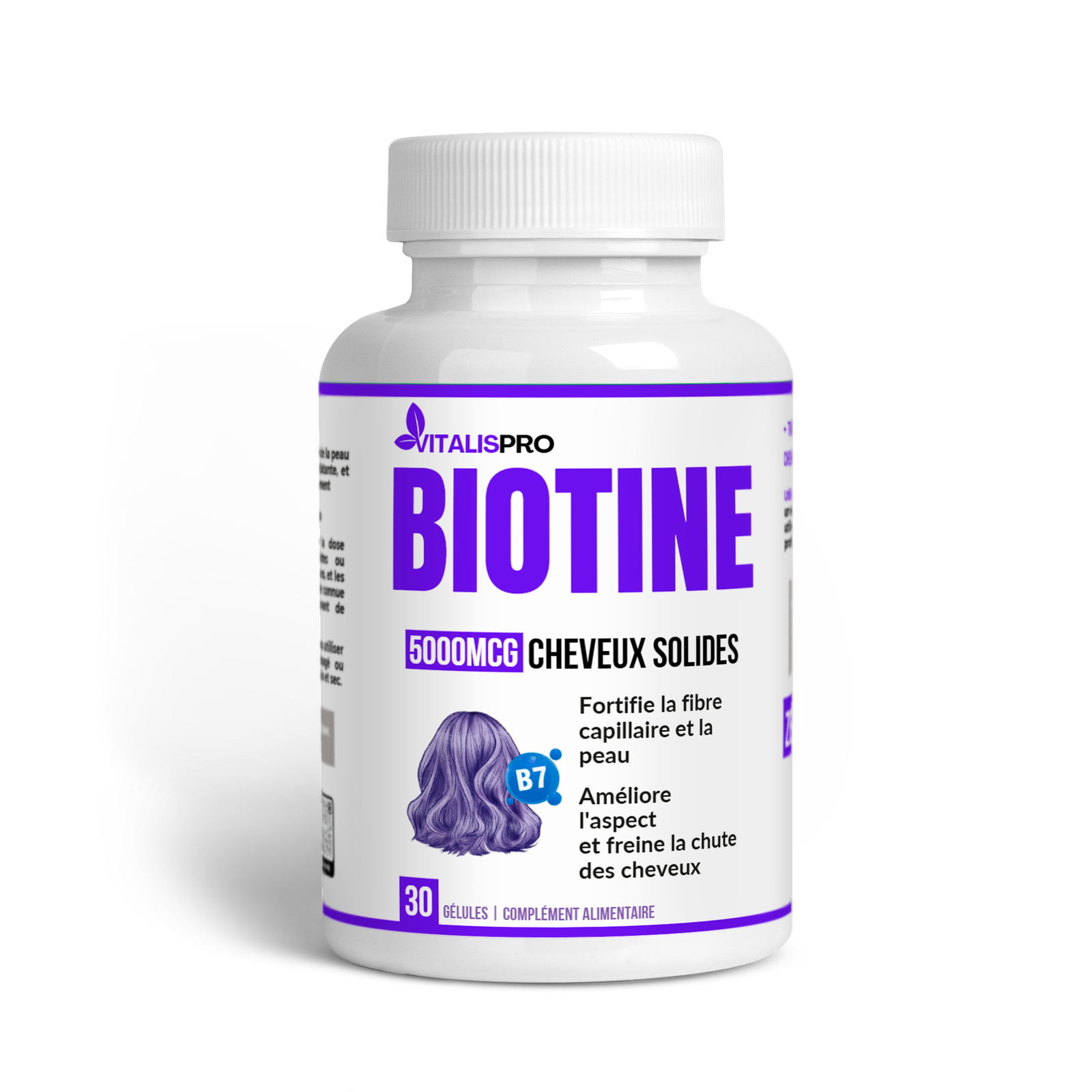
Among the most commonly cited approaches when hair comes up, one name keeps returning: biotin, also known as vitamin B8 or vitamin H. Often paired with zinc and brewer’s yeast, it has become the number-one beauty reflex for strengthening hair, supporting growth, and firming nails. But what is this reputation actually worth? What does the research say? And, most importantly, how do you know whether biotin is the right answer for your specific type of hair loss? That is precisely what this guide is here to explore.
By Houda Khaldi, Editorial Advisor in Natural Nutrition · Published 17 June 2026 · 19-minute read
Contenu de la page
- 1 Key takeaways
- 2 Why hair falls out: understand before you act
- 3 Biotin: what it actually is
- 4 Biotin, zinc, and brewer’s yeast: the growth trio
- 5 The science: what biotin does and does not do
- 6 Food first: nourishing hair through your plate
- 7 Hair, nails, and skin: one living tissue
- 8 Why the Moroccan lifestyle is hard on hair
- 9 The Alphavital answer: a biotin designed for hair
- 10 How to use biotin correctly: a practical guide
- 11 Thinking about hair loss as a whole
- 12 Three readers share their experience
- 13 Biotin for hair: what the studies actually measured
- 14 Biotin and blood tests: what to tell the lab
- 15 Who is more likely to be low in biotin
- 16 How to take biotin, and which Alphavital formula fits which need
- 17 Frequently asked questions about biotin and hair loss
- 17.1 Does biotin actually make hair grow?
- 17.2 How long does it take to see results on the hair?
- 17.3 Why is my hair falling out so much?
- 17.4 Should I combine biotin with zinc and brewer’s yeast?
- 17.5 Does biotin affect skin and nails?
- 17.6 Can biotin distort a blood test?
- 17.7 Does stress really cause hair loss?
- 17.8 Where can I buy biotin for hair in Morocco?
- 17.9 What are the side effects of biotin?
- 17.10 How do I know if I am low in biotin?
- 18 In summary
Key takeaways
- Hair loss has multiple causes: nutritional deficiencies (iron, zinc, B vitamins), chronic stress, hormonal upheaval, seasonal changes, and genetic factors. Identifying the cause points to the right response.
- Biotin (vitamin B8) contributes, according to European food safety authorities, to the maintenance of normal hair and the maintenance of normal skin: these are officially validated health claims, not marketing promises.
- Zinc contributes to the maintenance of normal hair and nails, and brewer’s yeast delivers a natural spectrum of B vitamins, proteins, and minerals: together, they nourish keratin at the root.
- Biotin only works where a deficit or increased need exists. It is not a universal remedy for every type of hair loss, particularly hormonal or genetic shedding.
- Alphavital offers a concentrated biotin formula for hair, skin, and nails, built on a transparent approach, batch-traced, and faithful to the scientific framework.
Why hair falls out: understand before you act
Before looking for solutions, let us set the diagnosis. Shedding hair is perfectly natural: a healthy scalp loses between fifty and one hundred strands every day, which regrow in the course of a natural life cycle. A strand lives, grows for several years, rests, then falls to make way for a new one. This silent cycle explains why moderate shedding is nothing to worry about. The real warning sign appears when shedding intensifies noticeably, when regrowth seems to stall, or when overall density visibly decreases.
To understand the subject properly, it helps to know that each hair originates in a tiny biological factory called the hair follicle. It is one of the most active structures in the human body: it works continuously, manufactures keratin, divides, and consumes enormous amounts of cellular energy. Like any highly active factory, it is sensitive: the slightest disruption in the supply of raw materials — nutrients, oxygen, energy — quickly results in lower-quality output. This is precisely why hair is so often the first visible surface sign of what is happening inside the body.
Hair does not lie. Before you even feel fatigue, your hair translates your nutritional state on the surface. Understanding why it falls is learning to listen to what the body is trying to say.
Nutritional deficiencies: the most common silent cause
The most frequent — and the most reversible — cause is nutritional. When the body lacks certain essential building blocks, it makes trade-offs: it prioritises vital organs and neglects what can wait. And hair, from a survival standpoint, can wait. As a result, it is often the first casualty when reserves run low. Several micronutrients are particularly implicated in this mechanism, as detailed in a landmark review on diet and hair loss available in full text on PubMed Central1.
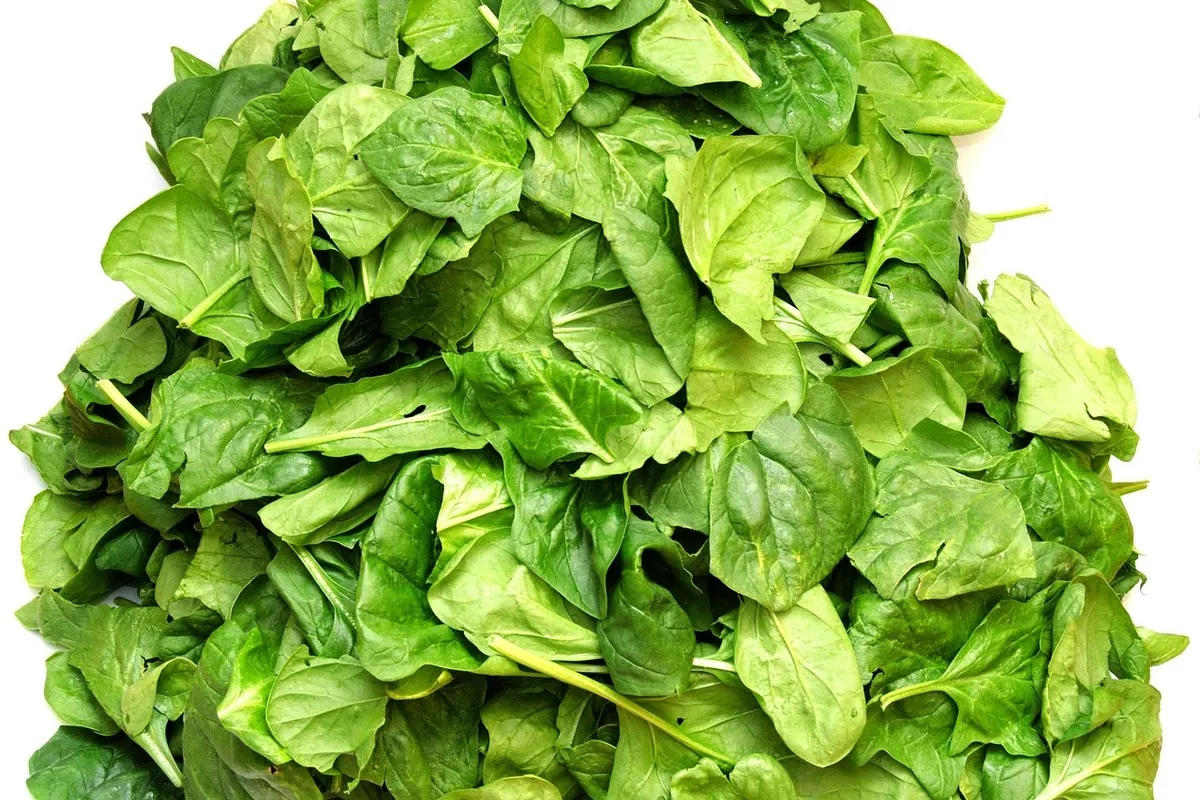
Iron tops the list. Its deficiency, common especially among women, deprives follicles of the oxygen they need to operate at full capacity. Zinc follows closely: it plays a role in cell division and protein synthesis — two processes at the very heart of hair growth. Then come B vitamins, including the celebrated biotin, which participate in the energy metabolism of these highly demanding cells. When any one of these links is missing, the entire growth chain weakens.
Stress: the under-estimated trigger
It is often dismissed, but stress is one of the leading causes of sudden hair loss. An emotional shock, a period of exhaustion, an illness, surgery, or a severely restrictive diet can trigger what specialists call telogen effluvium: a massive, synchronised shift of a large number of hairs into the shedding phase. The phenomenon looks alarming — you lose clumps of hair — but it is generally reversible once the cause has been addressed.
Stress also acts in a more insidious, day-to-day way. Chronic tension persistently elevates certain hormones, disrupts sleep, and depletes reserves of B vitamins and magnesium — the very nutrients on which the normal functioning of hair follicles depends. In Morocco, between professional pressure, traffic in major cities, and shortened nights, this background of chronic stress is far from rare. That is one of the reasons why supporting your baseline nutrition makes considerable sense.
Hormones: the true conductors of the hair cycle
Hormones govern a large part of the hair’s life. In women, major hormonal upheavals — pregnancy, the postpartum period, age-related changes — are frequently accompanied by fluctuations in hair density. The shedding that occurs a few months after giving birth, for example, is a well-known and usually transient phenomenon: hairs exceptionally preserved during pregnancy catch up all at once on their natural cycle.
There are also forms of hair loss with a strong hereditary and hormonal component, such as androgenetic alopecia, which follows a genetic and progressive logic. On this particular terrain, nutrition does not do everything: it creates the best possible conditions for remaining hairs, but it does not rewrite the genetic programme. Honesty requires saying this clearly. A nutritional supplement supports healthy hair; it does not replace, where necessary, appropriate care with a healthcare professional.
Seasonal changes and external aggressors
Many people notice heavier shedding at certain times of year, particularly in autumn. This seasonal phenomenon, comparable to a moult, is generally benign and temporary. Added to these natural variations are everyday external aggressors: intense sunshine — so present in Morocco for much of the year — hard water, heat styling tools, repeated colouring, and the tension from tight hairstyles. None of these aggressors alone causes lasting shedding, but their combined effect weakens the fibre and intensifies the perception of thinner hair.
| Type of hair loss | Main cause | Reversible? |
|---|---|---|
| Nutritional deficiency | Lack of iron, zinc, B vitamins | Yes, by correcting intake |
| Telogen effluvium | Stress, shock, exhaustion, crash diet | Yes, in most cases |
| Post-partum hormonal | Transient hormonal fluctuation | Yes, generally |
| Androgenetic | Genetic and hormonal | Partially, requires dedicated care |
| Seasonal | Natural shedding cycle | Yes, temporary |
This table says it all: before acting, you need to understand which type of hair loss you are dealing with. For a significant proportion of situations — deficiencies, stress, seasonal changes — root nutrition plays a real and accessible role. That is precisely where biotin, zinc, and brewer’s yeast come in.
Biotin: what it actually is
Biotin is a B-group vitamin, variously designated vitamin B8, vitamin B7, or vitamin H — the “H” comes from the German Haut und Haar, “skin and hair”, which already says a great deal about its reputation. It is a water-soluble vitamin, meaning the body does not store it long-term and requires a regular supply. Its biological role is that of a coenzyme: it acts as a key that activates certain enzymes involved in the metabolism of fats, sugars, and proteins. And proteins, precisely, are the raw material of hair and nails.
In practical terms, biotin participates in the machinery that converts dietary nutrients into usable cellular energy. Hair follicles — those high-output factories — are among the largest consumers of that energy. This is where the logical link between biotin and hair lies: without a well-functioning energy metabolism, the cells responsible for building the hair strand cannot work under optimal conditions. European authorities recognise that biotin contributes to normal energy-yielding metabolism, in addition to its role on hair and skin.
Vitamin H, as in “skin and hair.” From its very name, biotin announced its purpose. Modern science has refined the framework without taking anything away from that ancient intuition.
Precision matters here, because this is where credibility is won or lost. The European Food Safety Authority has rigorously scrutinised claims relating to biotin. The claims that have been validated and entered into the official register are clear: biotin contributes to the maintenance of normal hair, the maintenance of normal skin, as well as normal energy-yielding metabolism and the normal functioning of the nervous system. These exact formulations can be consulted in the European Register of authorised health claims2.
These formulations may seem cautious, and they are deliberately so. “Contributing to the maintenance of normal hair” means that biotin is one of the conditions for healthy hair — just as a structural frame is one of the conditions for a solid house. It does not mean that taking biotin magically transforms a head of hair. But it does mean that adequate intake is one of the essential building blocks, and that insufficient levels can weigh on it. That nuance is anything but a detail: it is what separates honest information from a misleading promise.
Biotin deficiency: rare, but real
Frank biotin deficiency is relatively uncommon in the general population, because this vitamin is present in many foods and is even partially produced by the gut flora. Certain situations, however, increase requirements or reduce intake: regular and substantial consumption of raw egg whites, some long-term treatments, digestive disorders that impair absorption, or periods of increased need. When a deficit takes hold, the first signs often affect the skin and appendages: thinning hair, brittle nails, reactive skin. The logic is consistent with the vitamin’s known role — and that is precisely where biotin, by filling the gap, regains its full relevance.
Biotin, zinc, and brewer’s yeast: the growth trio
While biotin may be the star of hair supplements, it never works alone. Healthy hair is the result of teamwork between several nutrients, and three of them form a particularly coherent trio: biotin, zinc, and brewer’s yeast. Understanding how they complement each other prevents putting all your weight on a single ingredient, and allows you to approach hair beauty as a system rather than a single magic pill.
Zinc: the structural partner of hair
Zinc is one of the trace elements most directly linked to the health of skin appendages. European authorities recognise that it contributes to the maintenance of normal hair, the maintenance of normal nails, and the maintenance of normal skin. Its role is structural: it participates in cell division and protein synthesis, without which keratin cannot be built. Several studies have observed that certain forms of hair loss are accompanied by below-average zinc levels, as reported in an analysis indexed on PubMed3. Here too, zinc acts where it is lacking: it is part of the foundations, not the miracles.
Brewer’s yeast: a natural concentrate of B vitamins
Brewer’s yeast, derived from the fungus Saccharomyces cerevisiae, is one of the densest natural sources of B-group vitamins, of which biotin is a member. It also provides complete proteins and minerals. Its reputation as a fortifier of hair and nails is ancient, passed down through generations long before laboratories decoded its composition. Where isolated biotin targets one specific vitamin, brewer’s yeast plays the broad-spectrum card: it surrounds biotin with the entire nutritional environment in which it naturally works.
Biotin opens the door, zinc builds the structure, brewer’s yeast provides the natural context. A strong strand rarely comes from a single nutrient — it comes from their coherence.
Why a spectrum beats an isolated ingredient
This is a matter of biological logic. In nature, nutrients never appear alone: they arrive in convoy, each facilitating the work of the others. Zinc and copper, for example, function in balance. B vitamins act as a complex, rarely in isolation. Approaching hair beauty with this spectrum logic brings you closer to the way the body actually uses nutrients. This is also why a sound strategy often combines a targeted biotin intake with broader support from zinc and brewer’s yeast — a line of reasoning that sits at the heart of the Alphavital approach.
| Nutrient | Primary role on hair | Logic |
|---|---|---|
| Biotin (B8) | Energy metabolism, maintenance of normal hair | The targeted activator |
| Zinc | Protein synthesis, keratin, maintenance of normal hair | The structure |
| Brewer’s yeast | Spectrum of B vitamins, proteins, minerals | The natural context |
| Iron | Oxygenation of the follicle | The fuel |
| Copper | Keratin cross-links, pigmentation | The finisher |
The science: what biotin does and does not do
The internet is overflowing with claims about biotin, presented at one extreme as a quick fix and at the other as pure illusion. The truth, as so often, sits in the middle — and it is more useful than either caricature. Our role is to convey it honestly.
Where biotin genuinely helps
The scientific consensus is as follows: biotin is clearly beneficial for hair and nails when a deficit or increased need exists. In these situations, correcting the shortfall restores the conditions for healthy hair and nails, and the observed benefits are consistent with the vitamin’s metabolic role. Several reviews dedicated to hair health supplements confirm this logic, as detailed in this review on dietary supplements and hair health, available in full text on PubMed Central4. This is exactly the window in which regular biotin intake makes complete sense.
Where measured expectations are warranted
Honesty also requires drawing limits. On hair that is already fully supplied with biotin, adding more has no reason to produce a spectacular effect: you cannot usefully “overload” a system that is already complete. Equally, biotin does not correct shedding of hormonal or genetic origin: it creates the best possible nutritional conditions, but it does not rewrite a biological programme. Claiming otherwise would be dishonest. The right way to see biotin is as a foundational brick: indispensable when it is missing, neutral when it is already present in sufficient quantities.
Biotin is neither a quick fix nor an illusion. It is a foundation: decisive when it is absent, neutral when it is already there. All the skill lies in knowing where you stand.
An important note on blood tests
There is a practical point that is too often overlooked, and it falls under responsible usage. A high biotin intake can interfere with certain laboratory assays, particularly hormonal ones, and distort their results. This is not a sign of toxicity — biotin is otherwise well tolerated — but it is a technical precaution. If you need to have a blood panel drawn, it is important to inform your healthcare professional and the laboratory, and to discontinue the supplement a few days beforehand if advised to do so. Observing this is the mark of an informed user.
Food first: nourishing hair through your plate
Before any supplement, there is food. And Moroccan cuisine in its traditional form is rich in excellent sources of biotin, zinc, and B vitamins. What is needed is to restore them to the place they deserve, at a time when refined and ultra-processed foods are gradually eroding our dietary habits.
The best dietary sources of biotin
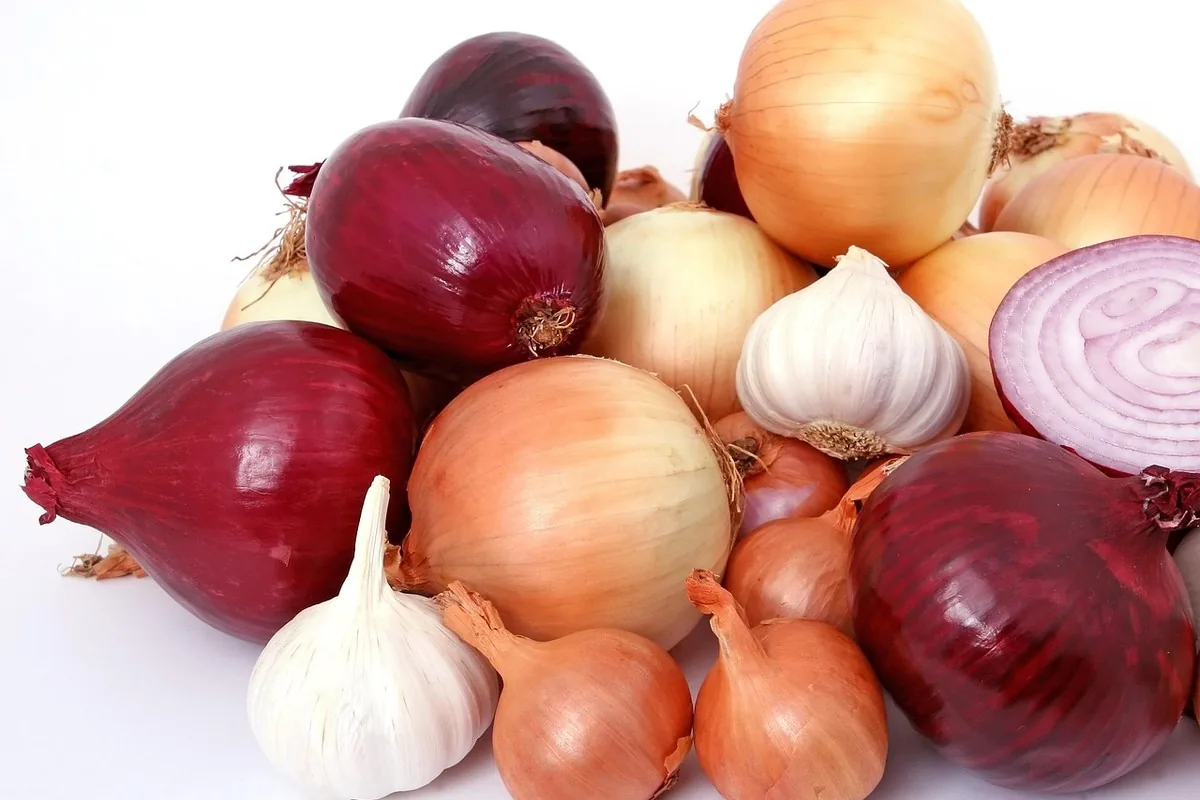
Biotin is found in simple, accessible foods. Eggs are one of the richest sources, provided they are consumed cooked — raw egg white contains a protein that blocks its absorption. Nuts such as almonds and walnuts, so present in Moroccan culinary heritage, also provide it, as do legumes, whole grains, and certain vegetables. Liver is one of the most concentrated sources, very much in the tradition of offal that Moroccan cuisine knows well.
| Nutrient | Common Moroccan sources | Role |
|---|---|---|
| Biotin (B8) | Cooked eggs, almonds, legumes, liver | Hair, skin, nails |
| Zinc | Meat, chickpeas, lentils, pumpkin seeds | Keratin, growth |
| Iron | Lentils, red meat, spinach | Follicle oxygenation |
| B vitamins | Whole grains, legumes, brewer’s yeast | Cellular energy |
| Protein | Eggs, fish, legumes, meat | Raw material for keratin |
The message is clear: a varied, colourful plate rich in whole foods is the first line of defence for your hair. A harira rich in legumes, an egg at breakfast, a handful of almonds, fish several times a week, whole grains rather than refined white bread: these are simple and economical gestures. No supplement replaces this foundation. But when intakes remain insufficient despite your efforts, or signs of fragility take hold, targeted support makes complete sense.
When food alone is not enough
Several situations widen the gap between needs and intake. Modern eating habits, first: the refining of cereals removes precisely the bran and germ where B vitamins are concentrated. The urban pace, next, with its stress that depletes reserves. Finally, periods of increased need: the postpartum period, seasonal changes, restrictive diets, periods of fatigue. In these precise windows, a well-formulated supplement fills what the plate alone struggles to cover. This is exactly the logic of a targeted biotin course, built on solid dietary foundations.
Hair, nails, and skin: one living tissue
Biotin is not only a hair matter. Its appeal lies in the fact that it acts on an inseparable trio: hair, nails, and skin. These three structures share a common biological origin and the same dependence on cellular nutrition. Supporting one often means supporting the others — which is why a holistic approach makes more sense than targeting a single symptom.
Stronger, more resilient nails
Nails, like hair, are made of keratin. Nails that peel, ridge, or break at the slightest impact often reflect fragility in this protein structure. Biotin is precisely the vitamin most associated, in both practice and the literature, with reinforcing brittle nails. Here again, the benefit is most pronounced where there is a background of fragility or deficiency. Zinc, which contributes to the maintenance of normal nails, usefully complements this action — hence the coherence of combining the two.
Better-supported skin
Biotin contributes to the maintenance of normal skin, a claim recognised by European authorities. Skin — the body’s largest organ by surface area — renews itself continuously and is strongly dependent on the energy metabolism of its cells. Dull skin that is reactive or struggles to renew itself may reflect a nutritional background worth supporting. In Morocco, where intense sunlight puts skin to the test, this baseline support deserves genuine attention. To go further on radiance and firmness, a collagen and hyaluronic acid approach naturally complements biotin nutrition.
Why the Moroccan lifestyle is hard on hair
Morocco combines several factors that challenge scalp health. Identifying them means understanding how to protect your hair from within, beyond surface treatments.
Heat first. Summers in Marrakech, Fez, or Agadir generate heavy perspiration, and sweat carries away minerals including zinc — one of the pillars of hair health. Intense sunshine follows: it attacks the fibre and scalp, and increases oxidative stress. Urban stress, finally: the traffic jams of Casablanca, professional pressure, shortened nights keep the body under constant tension and deplete B vitamin reserves, including biotin. Added to this are often hard water, tight hairstyles, and the heat of styling appliances, which mechanically weaken the fibre.
Heat, intense sunshine, hard water, and a hectic urban pace: in Morocco, hair faces a cumulation of challenges. Nourishing it from within gives it the means to hold up.
The dietary shift already mentioned adds to this: the move toward processed foods and refined white bread, at the expense of traditional whole grains, legumes, and nuts, mechanically reduces intakes of B vitamins and minerals. Coffee and mint tea, so present in our culture, slightly increase the elimination of certain minerals when consumed in large quantities. The point is not to eliminate them, but to keep the balance in mind.
The Alphavital answer: a biotin designed for hair
Food always comes first. But certain situations justify extra support: hair that is thinning and shedding more than usual, brittle nails, dull skin, the postpartum period, periods of fatigue, or simply a diet that can no longer cover elevated needs. Summer heat and intense sunshine, which increase losses and stress, are additional windows where a well-formulated biotin deserves consideration.
A serious formula is non-negotiable. Three criteria make the difference: a clear, well-dosed active ingredient — here, biotin, the reference vitamin for hair; a coherent logic, embedded in a holistic beauty-through-nutrition approach; and genuine traceability, batch by batch. This is exactly the philosophy that guided our team in building this formula.
How Alphavital built its formula
Alphavital concentrates biotin in a formula dedicated to hair, skin, and nails, to act precisely where beauty is at stake: the keratin in hair and nails, and the renewal of skin. The formula is addressed to those who want to nourish their beauty at the root without resorting to complex solutions. It fits naturally into a broader strategy, alongside zinc and brewer’s yeast, for those who wish to play the full-spectrum card.
Every batch is traced and analysed. Alphavital recommends a daily intake, taken with a meal and a large glass of water. Consistency over several weeks supports the natural renewal of hair, nails, and skin, which follows the biological rhythm of these tissues. This formula is part of a coherent beauty-through-nutrition approach, faithful to the scientific framework and transparent about what it delivers.
A good beauty formula is not reducible to a slogan. It unites the right active ingredient, a coherent logic, and real batch-by-batch traceability. That standard is what distinguishes genuine support from a trend product.
For those who want to reinforce the beauty axis further, biotin gains by being part of a global approach. Our team offers to that end a brewer’s yeast enriched with selenium and zinc for hair and nails, as well as a zinc gluconate dedicated to skin and immune support. For a broader anti-ageing approach, the Total Beauty formula combines hyaluronic acid, collagen, biotin, and zinc, and the full range can be explored from the Alphavital shop.
How to use biotin correctly: a practical guide
A few practical reference points help avoid common mistakes and allow you to get the most from a course.
When and how to take it
Biotin is best taken with a meal, alongside a large glass of water. Integrating it into a morning or midday routine is a sound choice, as it supports the day’s energy metabolism. Consistency trumps everything else: it is daily repetition that establishes the benefits, not an occasional single dose. For appendages, patience is essential, because hair and nails renew on their own biological clock, indifferent to our impatience.
How long does a course last
The beauty of hair, nails, and skin does not transform in a few days. Hair grows slowly — at around one centimetre per month — nails renew over several months, and skin follows its own cycle. A course of several weeks, typically two to three months, allows you to accompany this natural rhythm. Many people notice a change in their nails first, as they renew faster than hair, before perceiving the benefits on the hair itself. Regularity remains the key, and patience an ally.
Precautions to be aware of
Biotin is generally very well tolerated. A few precautions are nonetheless warranted. The most important point has already been mentioned: a biotin intake can distort certain laboratory assays, particularly hormonal ones; inform your healthcare professional and the laboratory before a blood panel, and discontinue the supplement if advised to do so. During pregnancy, breastfeeding, chronic illness, or ongoing treatment, the advice of a healthcare professional is indispensable before beginning. Observing this is the mark of responsible usage.
To understand how diet influences skin and hair health, this educational video clearly explains the link between nutrition and hair beauty.
Thinking about hair loss as a whole
Hair beauty has a two-way relationship with overall health. Fragile hair often signals underlying fatigue, an imbalanced diet, stress, or a period of increased need. Conversely, supporting overall nutrition has a knock-on effect on the quality of your appendages. Biotin, through its role in cellular energy metabolism, acts precisely at this intersection between visible beauty and inner vitality.
This is why our team often sees biotin as one piece of a larger whole rather than a standalone solution. A plate rich in whole foods, good hydration, quality sleep, stress management, and gentle haircare form the foundation. Biotin — and, depending on your needs, zinc and brewer’s yeast — reinforces that foundation where natural intake may fall short. This holistic vision, rather than the promise of a quick-fix pill, is what produces the most lasting results.
The feedback our team receives is worth more than any discourse. Here are three testimonials, shared with the consent of their authors.
After my delivery, my hair was falling out in clumps — it was frightening. I understood that it was hormonal and temporary, and I supported my nutrition with biotin every day. After three months, the shedding calmed down and regrowth is clearly visible around my hairline. — Nadia, Casablanca
My nails were constantly peeling and my hair lacked density. I took biotin every day with lunch. What struck me first was my nails — noticeably stronger — and then my hair followed with patience. — Salma, Marrakech
I was going through a period of stress and fatigue, and my hair was thinning. I combined biotin with a genuine reorganisation of my diet and sleep. The combination changed everything: you had to be consistent, but it was worth it. — Imane, Rabat
These accounts illustrate a simple truth: the most lasting results come from combining diet, lifestyle, and, where it is useful, a well-chosen supplement. A question before you start? Our team responds directly via the Alphavital contact page.
Biotin for hair: what the studies actually measured
Biotin is a very popular hair supplement, yet only a handful of studies looked at it closely. Here is what they really measured, including the results that are less flattering.
| Study (author, year) | Who, how much, how long | What was found |
|---|---|---|
| Trüeb, 2016 | Women who came to a clinic about hair loss; blood test only, no supplement given | 38% had low biotin in their blood. The author warns against giving biotin to everyone without checking first.5 |
| Colombo, 1990 | People with brittle, splitting fingernails; daily oral biotin; nails studied before and after the course | Nail thickness rose by 25% in the group measured exactly before and after. Splitting was reduced.6 |
| Patel, 2017 (review) | All published case reports and trials on biotin for hair and nails | 18 reported cases improved, but every one had an underlying cause. No good evidence in healthy people.7 |
| Li, 2017 | 6 healthy adults; 10 mg of biotin a day; 7 days | 9 of 23 lab tests that use biotin in their chemistry gave false results, some too high, some too low.8 |
What this does not show. No placebo-controlled trial shows that biotin makes hair grow faster or thicker in someone whose biotin level is already normal. The good results come from people with a real shortfall or with brittle nails. The nail study was small and had no placebo group. So the honest reading is this: biotin is worth it when your intake is low or your needs are higher, and it will not change hair loss that runs in the family. The last line of the table matters too, because it concerns your safety more than your hair.
Biotin and blood tests: what to tell the lab
Many lab tests use biotin as one of their working parts. When there is extra biotin in your blood, it gets in the way and the result can come out wrong. This is not a sign that biotin harms you. It is a measuring problem, but it can lead to a wrong reading.
- Thyroid tests. In the study above, thyroid results (TSH, T3, T4) were among those that came out falsely high or falsely low. A false thyroid result can look like a thyroid problem that you do not have, or hide one that you do.8
- Heart tests. High biotin levels can lower the reading of one widely used troponin test, the blood test used when a heart attack is suspected. In a large study of emergency patients, the real risk of a missed result was very low, because very few people had such high biotin levels. It is still a reason to mention biotin every time.9
- Other tests in that study, such as prolactin, vitamin D and ferritin (iron stores), could also read wrong, depending on the machine the lab uses.
The simple rule: before any blood test, tell the doctor and the lab that you take biotin, including in a multivitamin or a beauty formula. They will tell you whether to pause it and for how long. In an emergency, say it out loud, even if nobody asks. The US National Institutes of Health keeps an up-to-date biotin fact sheet that covers this point in detail.
Who is more likely to be low in biotin
A true shortfall is not common, but some situations make it more likely. If one of these sounds familiar, a biotin course makes more sense for you than for the average person.
- Long-term use of some anti-seizure medicines. Some of them lower biotin levels. Never stop or change a medicine on your own: ask the doctor who prescribed it.
- Pregnancy and breastfeeding. Needs rise, and some studies have found lower biotin status at this time. Ask a health professional before taking any supplement.
- Heavy alcohol use and some digestive conditions that reduce absorption.
- Very restrictive diets, such as long crash diets with little variety.
If none of these apply and your hair loss is sudden, patchy or heavy, see a health professional first. Iron, thyroid and hormonal causes are far more common, and they need a different answer.
How to take biotin, and which Alphavital formula fits which need
Alphavital’s advice for Alphavital Biotin is one capsule a day, with a meal and a large glass of water, over two to three months. Breakfast or lunch works well, because it is easy to remember. Taking more than one capsule does not speed things up: hair and nails grow at their own pace.
| Your main goal | Formula | How to take it |
|---|---|---|
| Brittle nails, hair that breaks easily, a diet that may be short in biotin | Biotin alone | 1 capsule a day with a meal |
| Skin that feels dry and tight, plus hair and nails | Complete Beauty Pack: hyaluronic acid, marine collagen, biotin, zinc and vitamin C | 1 to 2 capsules a day with a meal |
| A broad nutrient approach with zinc and selenium | Brewer’s yeast with selenium and zinc | See the dedicated guide |
Do not combine Biotin and the Complete Beauty Pack without a reason: both contain biotin, so you would simply double the amount, and the blood-test rule would matter even more. If you are hesitating between biotin and yeast, our guide to brewer’s yeast with selenium and zinc covers the broader yeast approach and its own precautions. This page stays on biotin as a single nutrient.
People who do best with biotin tend to keep the routine simple: the same meal every day, a photo of their nails and hairline on day one, and a fair check after two to three months, not after two weeks. That applies to students, busy parents, older adults and anyone else who wants to judge the course honestly.
Frequently asked questions about biotin and hair loss
Does biotin actually make hair grow?
Biotin contributes to the maintenance of normal hair and to normal energy-yielding metabolism — claims recognised by European authorities. It therefore supports the conditions for healthy growth, especially where a deficiency or increased need exists. On hair that is already adequately supplied with biotin, or in the face of hormonal or genetic shedding, its effect is limited. It is a useful foundation, not a universal remedy.
How long does it take to see results on the hair?
Nails, which renew faster, often show the first signs within a few weeks. Hair requires more patience, as it grows at roughly one centimetre per month. A course of two to three months, taken consistently, allows you to accompany this natural biological cycle. Regularity is more decisive than the occasional high dose.
Why is my hair falling out so much?
The most common causes are nutritional deficiencies (iron, zinc, B vitamins), stress, hormonal changes such as the postpartum period, and seasonal fluctuations. Many of these types of shedding are reversible by acting on nutrition and lifestyle. Genetically driven shedding requires dedicated care with a healthcare professional.
Should I combine biotin with zinc and brewer’s yeast?
It is a coherent logic, because healthy hair results from teamwork between nutrients. Biotin targets energy metabolism, zinc contributes to keratin structure and the maintenance of normal hair, and brewer’s yeast provides a natural spectrum of B vitamins. Combining them brings you closer to the way the body actually uses these nutrients.
Does biotin affect skin and nails?
Yes. Biotin contributes to the maintenance of normal skin, and it is the vitamin most associated with strengthening brittle nails. Hair, nails, and skin share the same dependence on keratin and cellular nutrition, which explains why biotin acts on all three simultaneously.
Can biotin distort a blood test?
Yes, and this is important. A high biotin intake can interfere with certain laboratory assays, particularly hormonal ones, and distort their results. This is not a sign of toxicity, but it is important to inform your healthcare professional and the laboratory before a blood panel, and to stop taking the supplement a few days beforehand if advised to do so.
Does stress really cause hair loss?
Yes. An emotional shock, intense fatigue, an illness, or a sudden crash diet can trigger sudden, heavy shedding, generally reversible once the cause has resolved. Chronic stress, more discreet in its manifestation, also depletes B vitamin reserves and disrupts sleep, weakening follicles. Supporting baseline nutrition is part of the response.
Where can I buy biotin for hair in Morocco?
Alphavital offers a concentrated biotin for hair, skin, and nails in Morocco, delivered throughout the Kingdom. The composition, customer reviews, and usage instructions are detailed on the product page, and traceability is guaranteed batch by batch, in a transparent approach faithful to the scientific framework.
What are the side effects of biotin?
At the usual amounts in food supplements, biotin is well tolerated and the body clears any excess in the urine. The main risk is not a side effect in the body but a false lab result: biotin can distort some thyroid, heart and hormone tests. Always mention it before a blood test.
How do I know if I am low in biotin?
Signs such as thinning hair, brittle nails or a scaly red rash are not specific: many other shortfalls cause them too. Only a health professional can confirm a low level, with a history, an examination and sometimes a blood test. In one clinic study, 38% of women seen for hair loss had low biotin, which shows why checking is better than guessing.
In summary
Hair loss takes many forms: iron, zinc, and B-vitamin deficiencies, stress, hormonal upheaval, seasonal changes, genetics. Understanding which type you are dealing with is the first step, because a significant proportion of these situations — deficiencies, stress, seasons — responds to root nutrition. This is where biotin, zinc, and brewer’s yeast come in: the most sought-after trio in Morocco for strengthening hair, supporting growth, and firming nails and skin.
Biotin is neither a quick fix nor an illusion: it is a foundation, decisive when it is absent, faithful to the framework validated by European authorities — maintenance of normal hair and normal skin. It is nourished first through the plate: eggs, nuts, legumes, whole grains — the treasures of the Moroccan pantry. And when a boost is genuinely useful, a serious, transparent, and traceable formula becomes entirely meaningful. That is the path Alphavital has chosen. Looking after your hair is not following a trend: it is nourishing, from within, what shows on the surface.
About the author. Houda Khaldi is Editorial Advisor in Natural Nutrition at Alphavital. She translates scientific research into clear, actionable insights for everyday Moroccan life.
Disclaimer. The information presented is provided for informational purposes only, based on sourced research (PubMed, EFSA, WHO). The Alphavital team is not composed of healthcare professionals. Consult a qualified healthcare professional before any use, if you are on ongoing treatment, pregnant or breastfeeding, or have a medical condition, and report any biotin intake before a blood panel. Food supplements are not a substitute for a varied, balanced diet or a healthy lifestyle.
Sources and references
- Guo EL, Katta R. Diet and hair loss: effects of nutrient deficiency and supplement use. Dermatol Pract Concept. 2017;7(1):1-10. PubMed
- European Commission — Register of authorised health claims (biotin, zinc). EU Register
- Kil MS, et al. Analysis of serum zinc and copper concentrations in hair loss. Ann Dermatol. 2013;25:405-409. PubMed
- Almohanna HM, et al. The role of vitamins and minerals in hair loss: a review. Dermatol Ther (Heidelb). 2019;9(1):51-70. PubMed
- Trüeb RM. Serum Biotin Levels in Women Complaining of Hair Loss. Int J Trichology. 2016;8(2):73-77. PubMed 27601860
- Colombo VE, Gerber F, Bronhofer M, Floersheim GL. Treatment of brittle fingernails and onychoschizia with biotin: scanning electron microscopy. J Am Acad Dermatol. 1990;23(6 Pt 1):1127-1132. PubMed 2273113
- Patel DP, Swink SM, Castelo-Soccio L. A Review of the Use of Biotin for Hair Loss. Skin Appendage Disord. 2017;3(3):166-169. PubMed 28879195
- Li D, Radulescu A, Shrestha RT, et al. Association of Biotin Ingestion With Performance of Hormone and Nonhormone Assays in Healthy Adults. JAMA. 2017;318(12):1150-1160. PubMed 28973622
- Mumma B, Diercks D, Twerenbold R, et al. Clinical risk assessment of biotin interference with a high-sensitivity cardiac troponin T assay. Clin Chem Lab Med. 2020;58(11):1931-1940. PubMed 32804676
Food supplements do not replace a varied, balanced diet or a healthy lifestyle. The Alphavital team is not made up of healthcare professionals. Consult a qualified healthcare professional before use.