


A man’s energy in Morocco is tested every single day: a wake-up that weighs heavy, a mid-afternoon crash, vitality that fades past forty. Here is what science actually says about male fatigue, the role of adaptogenic plants, and how Alphavital helps restore tone, performance and balance naturally.
For cellular energy production support — particularly relevant for men over forty — explore our guide to Coenzyme Q10 for heart health and energy, a molecule whose natural production declines with age.
There is a realization many men eventually arrive at, often in silence. The energy simply is not what it once was. Getting out of bed demands effort it never used to. The day passes but the engine runs on idle. By evening, little remains for family, sport or simply being fully present. This is not a character flaw. Most of the time, it is a physiological foundation that has been quietly eroded.
In Morocco, this feeling meets a concrete reality. Days are long, professional stress in Casablanca or Rabat takes a low-grade toll, sleep is cut short by screens and obligations. The summer heat adds its own fatigue, and modern food — poorer in micronutrients than most people realize — does not always compensate. Our team receives messages every week from men in their thirties, forties and fifties who ask the same question in different words: how to reclaim vitality without resorting to aggressive solutions? The reassuring answer comes down to one word: the foundation. And a foundation can be rebuilt.
By Houda Khaldi, Natural Nutrition Editorial Advisor · Updated June 11, 2026 · 19-minute read
Contenu de la page
- 1 Key takeaways
- 2 Men’s energy in Morocco: understanding where fatigue really comes from
- 3 Adaptogens: the plants that help the body adapt
- 4 Tongkat Ali, Ginseng, Maca, Shilajit: what science says
- 5 The decisive role of micronutrients in male vitality
- 6 Move, sleep, breathe: the pillars nothing can replace
- 7 When a complete men’s programme makes full sense
- 8 Making the most of your course: the practical guide
- 9 Three men share their experience
- 10 Frequently asked questions about men’s energy and vitality
- 10.1 Which natural energy supplement is right for men in Morocco?
- 10.2 How long before a men’s course takes effect?
- 10.3 Is there a natural testosterone support supplement in Morocco with Tongkat Ali and Ginseng?
- 10.4 Can these supplements be taken alongside a medical treatment?
- 10.5 At what time of day should energising plants be taken?
- 10.6 Do these plants replace sport and sleep?
- 10.7 Can male fatigue conceal a health problem?
- 11 In summary
Key takeaways
- Male vitality rests on a three-legged stool: cellular energy, hormonal balance and recovery quality. When one weakens, all three suffer.
- Male fatigue in Morocco is rarely a single problem: short sleep, chronic stress, insufficient micronutrition and sedentary habits compound one another.
- Four reference plants recur in research on male tone: Tongkat Ali, Ginseng, Maca and Shilajit. Each acts on a different lever.
- The benefits of a course take hold over several weeks, not two days. Consistency comes before everything else.
- Alphavital has developed a Total Performance Programme for Men that brings these four actives together in a unique synergy, designed for energy, endurance and daily confidence.

Men’s energy in Morocco: understanding where fatigue really comes from
Before looking for a solution, the problem must be named. Male fatigue is rarely what it appears to be. It is commonly attributed to age or lack of sleep, and that is not entirely wrong. But these are symptoms, not causes. The root cause lies upstream, in the machinery that produces energy and in the hormonal balance that regulates it. For Arabic-language readers, our complete guide to الجنسنج الأحمر: الطاقة، التعب، الرغبة الجنسية provides in-depth coverage of red ginseng science in Morocco.
Every cell in your body houses tiny power plants called mitochondria. They convert what you eat into usable fuel — ATP. When these power plants malfunction, from a lack of cofactors, oxidative stress or low-grade inflammation, energy production drops. You eat, you sleep reasonably, but the yield is no longer there. This is one of the most solid scientific explanations for what is called functional fatigue.
Layered on this cellular mechanics is the hormonal dimension. In men, testosterone plays a central role, and not only in the intimate sphere. It influences muscle mass, mood, motivation, bone density and, yes, the perceived energy level. Yet testosterone levels decline naturally with age, on average from one’s thirties onward, slowly but measurably, something a blood test can quantify, as explained in this MedlinePlus medical encyclopedia entry on testosterone8. Stress accelerates this decline because the body prioritizes cortisol production at the expense of vitality hormones.
Fatigue is not an inevitable consequence of ageing. It is a physiological foundation made of cells, hormones and recovery — and a foundation can be maintained.
The Moroccan cocktail: what quietly drains daily tone
Contemporary life combines several factors that seem harmless in isolation. Together, they create a genuine vicious cycle. Short sleep — often less than six hours — deprives the body of its repair window and the nocturnal hormonal production that concentrates at night. Professional stress, intense in major cities, keeps cortisol elevated. Physical inactivity, common among those who spend their days seated, diminishes muscular function and insulin sensitivity.
A frequently overlooked factor adds to this mix: micronutrition. A diet rich in calories but poor in zinc, magnesium, vitamin D and trace elements does not supply the cofactors cells need to produce energy and sustain hormonal balance. Zinc and magnesium in particular are involved in hundreds of enzymatic reactions, and their common deficiency often manifests as diffuse fatigue.
| Factor | Effect on vitality | Action lever |
|---|---|---|
| Short sleep | Reduces nocturnal hormonal production | Aim for 7 to 8 regular hours |
| Chronic stress | High cortisol, depressed vitality | Breathing, breaks, adaptogenic plants |
| Sedentary habits | Muscle loss, energy decline | Regular walking and strength training |
| Poor micronutrition | Lack of cofactors (zinc, magnesium) | Nutrient-dense food, targeted support |
| Excess screens at night | Later sleep, fragmented rest | Switch off screens before bedtime |
Understanding this cocktail is already taking back control. Each of these factors is modifiable. And this is precisely where, alongside sound lifestyle habits, the plants used for centuries and now rigorously re-examined by modern research play their role. For the desire and confidence dimension, our team completes this picture with its Sexuality and Libido range, and all our feature articles are gathered in the Alphavital magazine.
When declining tone warrants medical attention
A word of caution is warranted here. Fatigue that persists over time, accompanied by breathlessness, unexplained weight loss, a marked drop in libido or a persistently low mood, is not something to address alone. It calls for an assessment from a healthcare professional, as it may signal an underlying condition requiring treatment. Dietary supplements are never intended to replace a diagnosis or a prescribed treatment. They support a foundation; they do not substitute for medicine.

Adaptogens: the plants that help the body adapt
The word appears everywhere, sometimes indiscriminately. An adaptogen is not a stimulant. It is a precise category of plants that help the body better resist different forms of stress — whether physical, mental or environmental — by promoting a return to balance. Where a coffee whips and then exhausts, an adaptogen works in depth, on the foundation, without the rollercoaster that follows.
The definition is not esoteric. For a plant to deserve this label, research requires three criteria: it must help resist a broad range of stress factors, contribute to normalising the body’s functions, and not overly disturb its normal operation. Ginseng is the historical archetype. It is also one of the most documented plants in the world, and its effects on male reproductive function have been the subject of detailed scientific syntheses, such as this full-text review on ginseng and male function on PubMed Central1.
Concretely, what many men seek in these plants is steady energy rather than a spike. Not the jitteriness of an energy drink, but more regular endurance, better stress resistance, easier recovery. This is exactly the territory of well-chosen, well-dosed adaptogens.
To understand how a root like ginseng acts on fatigue, nothing beats a short visual overview. This educational video summarises in two minutes what both tradition and research attribute to this plant.
Why combining several plants beats relying on just one
A question that comes up repeatedly: should you pick one plant and stick to it, or combine several? The answer stems from the very nature of male fatigue, which is multi-factorial. A single plant acts on one lever. Ginseng supports energy and stress resistance. Tongkat Ali targets hormonal balance and vigour. Maca brings tone and endurance. Shilajit, rich in minerals and fulvic acids, supports cellular energy.
Combining these actives means covering several levers at once — like flipping multiple switches instead of one. This is the logic of synergy, and it is precisely the logic our team adopted in formulating its men’s programme. Rather than asking men to manage four separate bottles, Alphavital has brought the essentials together in one coherent approach, conceived as a whole.

Tongkat Ali, Ginseng, Maca, Shilajit: what science says
The internet overflows with promises about these plants. Our role is to remain honest: to distinguish what research supports from what still belongs to tradition or hope. Here, in plain language, is what is known about each of these four pillars of male vitality.

Tongkat Ali, the root of vigour
Tongkat Ali (Eurycoma longifolia), sometimes called the green gold of Southeast Asia, is a root traditionally prized for supporting male energy and vigour. Modern research has taken a keen interest in it, particularly for its action on hormonal balance and stress management. One notable trial observed that supplementation with Tongkat Ali in moderately stressed subjects was accompanied by improvement in certain hormonal markers and mood state, as detailed in this study on Tongkat Ali and stress hormones on PubMed Central2.
This dual interest — hormonal and anti-stress — explains its prime position in serious male formulas. Alphavital offers Tongkat Ali in a pure form at 300 mg for those who want to target this lever specifically, on its dedicated Tongkat Ali product page. For further reading, our team has a full feature on Tongkat Ali, its origins and uses.

Ginseng, the archetype of adaptogens
If a single plant were to embody vitality, it would be ginseng. Used for more than two thousand years in Far Eastern traditional medicine, Panax ginseng — whose name evokes the panacea — is today one of the most studied plants on earth. Its active compounds, ginsenosides, are the subject of hundreds of research papers. Science examines its action on physical and mental energy, fatigue resistance, concentration and male reproductive function, already cited above.
Red ginseng, fermented and aged, is the most concentrated and most traditional form. Alphavital offers it as Red Ginseng 500 mg for those primarily targeting energy and concentration, detailed on its Red Ginseng energy and anti-stress product page. It is also one of the pillars of our complete men’s programme.
Maca, the high-altitude tuber for energy and performance
Maca (Lepidium meyenii) grows on the Peruvian Andean plateau, above four thousand metres, in extreme conditions. This tuber has nourished Andean populations for centuries, reputed to support endurance and vitality. Clinical research has examined it, notably for its effects on energy, mood and physical and mental performance. A clinical study evaluated the use of gelatinised Maca and its effects on well-being, as reported in this full-text Maca study on PubMed Central3.
A notable advantage: unlike certain plants, Maca does not act through direct hormonal stimulation, making it a popular choice for gentle, regular energy support. Alphavital offers it as Maca 300 mg on its Maca energy and performance product page. Our team is also preparing a comparative feature on natural performance with Maca.
Shilajit, the mountain resin
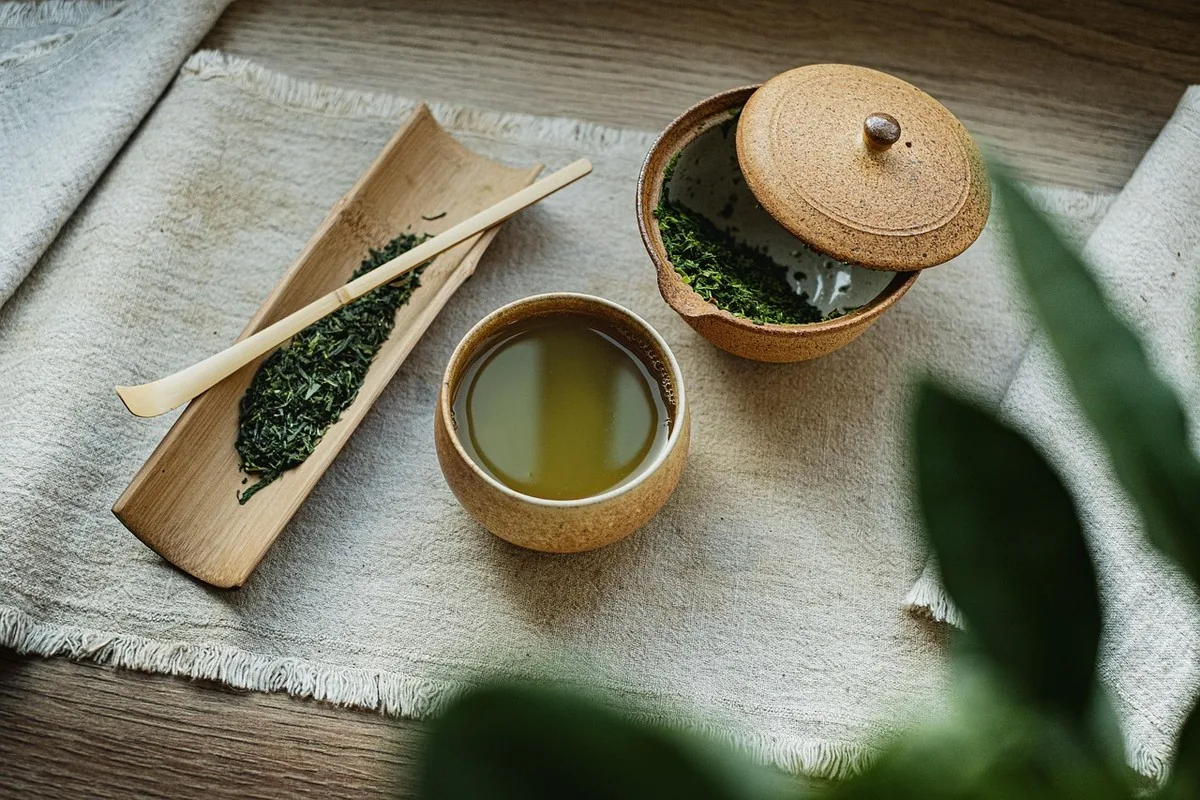
Shilajit is without doubt the most singular of the four. It is not a plant but a mineral resin that oozes from the rocks of the Himalayas, formed over centuries by the slow decomposition of plant matter. Rich in fulvic and humic acids, trace elements and antioxidants, it holds a central place in traditional Ayurvedic medicine, where it is called “the destroyer of weakness.”
Modern research explores several avenues. One concerns its properties on cognitive function and energy, described in this review on Shilajit as a natural phytocomplex on PubMed Central4. Another examined muscular fatigue: a study observed that Shilajit supplementation helped preserve muscular strength against induced fatigue, as reported in this study on Shilajit, fatigue and muscular strength on PubMed Central5.
Alphavital offers Shilajit at 300 mg on its Shilajit testosterone and vitality product page, and integrates it into its complete men’s programme, where its mineral richness complements the action of the three plants.

What these plants are not
Honesty demands a clarification. None of these plants is a medicine. None replaces medical advice or a prescribed treatment. They support a foundation, accompany a lifestyle, contribute to tone and energy. They do not replace sleep, physical activity or a balanced diet. And they do not produce miracles in forty-eight hours. Any promise to that effect should raise suspicion. Our editorial line is consistent: presenting these actives for what they are — natural allies of a well-maintained foundation — never as magic solutions.
The decisive role of micronutrients in male vitality
Much is said about plants, and rightly so. But they only deliver their full potential on a sound micronutritional foundation. Imagine a sophisticated engine deprived of oil: it runs poorly regardless of fuel quality. In men, two minerals play a particularly structural role for energy and hormonal balance: zinc and magnesium.
Zinc is involved in hundreds of enzymatic reactions. It plays a part in energy metabolism, immune function and maintaining normal testosterone levels in the blood. Yet it is frequently supplied in insufficient quantities by a modern diet poor in seafood, quality meat and seeds. Magnesium is the mineral of energy and muscular and nervous relaxation. It contributes to reducing fatigue and normal energy metabolism. Its very common deficiency often manifests as a pervasive tiredness, cramps or irritability, as detailed in the NIH Office of Dietary Supplements magnesium fact sheet9.
Vitamin D also deserves a mention, paradoxical under the Moroccan sun. Despite abundant sunshine, deficiencies are common because indoor life and sun protection limit skin synthesis. Vitamin D contributes to maintaining normal muscle function and participates in overall balance. These effects of vitamins and minerals are recognised and regulated by European authorities, who list them in the EFSA health claims register6.
Adaptogenic plants provide the momentum; micronutrients supply the building blocks. Neither works without the other to build lasting vitality.

Food first: Moroccan habits that support energy
Before any supplement, there is the table. And Moroccan cuisine, properly understood, offers precious advantages. Dried fruits and seeds — almonds, walnuts, pumpkin seeds — are rich in zinc and magnesium. Legumes — lentils, chickpeas, broad beans — provide plant protein and minerals. Oily fish, sardines in particular, supplies essential fatty acids and vitamin D. Olive oil and its polyphenols protect cells from oxidative stress. Honey, figs and dates offer natural energy, best consumed in moderation.
| Nutrient | Role in vitality | Moroccan sources |
|---|---|---|
| Zinc | Normal metabolism and testosterone | Pumpkin seeds, meat, seafood |
| Magnesium | Reduces fatigue, relaxes muscles | Almonds, legumes, dark chocolate |
| Vitamin D | Normal muscle function | Sardines, moderate sun exposure |
| Omega-3 | Heart, brain, anti-inflammation | Sardines, mackerel, walnuts |
| Polyphenols | Antioxidant protection | Olive oil, tea, herbs |
These habits cost nothing extraordinary: they are nutritional common sense that our grandparents practised without theorising it. Bringing them back means giving the body the cofactors it needs. For the cardiovascular and cerebral dimension, our team is also preparing a complete feature on omega-3 and their benefits, which usefully complements this chapter.

Move, sleep, breathe: the pillars nothing can replace
No plant and no supplement will sustainably compensate for a lifestyle that drains energy. This is a truth our team repeats relentlessly, because it conditions everything else. Three pillars structure male vitality, and they are free.
Physical activity, the best natural stimulant
Movement is without doubt the most powerful lever. Regular physical activity improves insulin sensitivity, supports muscle mass, stimulates hormonal production and lifts mood via endorphins. Strength training in particular is associated with a healthier male hormonal profile. There is no need to aim for athletic performance: consistency comes first. Thirty minutes of brisk walking daily, two to three strength sessions per week, and the body responds. The World Health Organization notes the broad benefits of physical activity on health and energy in its physical activity fact sheet7.

Sleep, the repair factory
Night is when the body repairs itself and when the bulk of hormonal production takes place. Short or poor-quality sleep lowers vitality by the next morning, and its cumulative deficit weighs heavily over the medium term. Targeting seven to eight hours in darkness and quiet, with screens off before bedtime, is not a luxury: it is a direct investment in the next day’s energy. Many men who complain of fatigue would benefit most from protecting their sleep before anything else.
Stress management, the silent saboteur
Chronic stress is the number one enemy of male vitality. By keeping cortisol elevated, it pushes the body to draw on its reserves and neglect the production of energy hormones. Slow breathing, regular breaks, contact with nature, prayer or meditation for those who practise them — these are all concrete tools. This is also precisely where adaptogenic plants provide their support, helping the body better absorb the pressure of daily life.
When a complete men’s programme makes full sense
Lifestyle first, always. But there are moments when targeted support provides a real boost. This is the case past forty, when vitality naturally ebbs. During periods of intense professional overload. When resuming sport and finding that recovery drags. Or simply when one wants to maintain energy regularly, without waiting for fatigue to set in.
What is needed, however, is a serious formula. Three criteria make the difference: identified actives with clear dosages, a thought-out synergy rather than a haphazard accumulation, and traceable quality. This is exactly the philosophy that guided our team.
The Alphavital answer: the Total Performance Programme for Men
Rather than asking men to juggle four bottles, Alphavital brought the four pillars together in one unique approach. The Total Performance Programme for Men combines Ginseng, Tongkat Ali, Maca and Shilajit in a synergy designed for the modern man. Each active plays its part: ginseng for energy and stress resistance, Tongkat Ali for vigour and hormonal balance, Maca for tone and endurance, Shilajit for mineral richness and cellular energy.
This alliance targets the foundations of male vitality: energy, balance and confidence. It speaks to the man who wants to move through his days with a steady engine, recover faster, and feel fully present again. The programme sits within our Vitality and Male Performance range, conceived as a coherent whole, and complements our Energy and Vitality range for those who primarily target general tone.
A good men’s formula is not just a list of ingredients. It is a considered synergy in which each active reinforces the others, in service of a more solid foundation.
Consistency remains the key. The benefits of such a synergy develop over several weeks, as the foundation gradually rebalances. A course followed with constancy, alongside protected sleep, regular physical activity and a nutrient-dense diet, yields the best results. For those who want to target fatigue and iron deficiency first, our team also offers the Anti-Fatigue and Energy formula with Ginseng, Spirulina and Moringa, complementary to the men’s approach.

Making the most of your course: the practical guide
A few practical markers help avoid common mistakes and get the best from a vitality programme.
When and how to take your actives
Morning is often the ideal time for energising plants like ginseng, to support the day’s energy without risking disruption to sleep at night. Taking the supplement with a meal improves digestive tolerance. A large glass of water accompanies the dose. Consistency takes precedence over everything: it is daily repetition, over several weeks, that establishes the benefits.
How long does a course last
It depends on the objective. To accompany a temporary period of fatigue or a peak of overload, a few weeks often suffice. For ongoing maintenance, a course-based approach — for instance at the change of seasons or during heavy periods — makes sense. With adaptogens, some prefer break windows, alternating periods of supplementation and rest. Listening to one’s body remains the best guide.
Precautions to know
These plants are generally well tolerated, but a few precautions apply. In the case of ongoing treatment — notably for blood pressure, blood sugar, a hormonal disorder or prostate condition — advice from a healthcare professional is essential before starting. These supplements are not intended for pregnant or breast-feeding women. And they never replace a medical treatment or a check-up when fatigue persists.
The video below presents adaptogenic plants and their action on vitality — an overview of what modern research retains about ginseng, rhodiola and their botanical cousins.
The feedback our team receives speaks louder than any discourse. Here are three testimonials, shared with the permission of their authors.
At forty-five, I was carrying a background fatigue that weighed on my work and my family. I got back into sport, protected my sleep, and supported everything with a course. Within six weeks I had regained an energy I thought was behind me. Nothing spectacular — just a more solid daily life. — Younes, Casablanca
I travel a lot for work, and the constant disruption was exhausting me. What struck me was not a sudden boost, but a more regular endurance throughout the day, without the jitteriness of coffee. Recovery improved too. — Rachid, Tangier
I was getting back into weight training after years off. At first my recovery was very poor. I adjusted my diet and followed a targeted course. My sessions became more consistent and I hold up better against fatigue at the end of the week. — Mehdi, Marrakech
These accounts illustrate a simple truth: the most lasting results come from combining lifestyle with a well-chosen support when it is useful. A question before you start? Our team responds directly via the Alphavital contact page.
Frequently asked questions about men’s energy and vitality
Which natural energy supplement is right for men in Morocco?
Four plants recur in research on male tone and men’s energy in Morocco: Tongkat Ali, Ginseng, Maca and Shilajit. Each acts on a different lever — energy, hormonal balance, endurance, mineral richness. Combining them covers several levers at once. The Alphavital Total Performance Programme for Men brings these four actives together in one synergy.
How long before a men’s course takes effect?
The benefits of adaptogenic plants develop progressively, generally over four to eight weeks of regular intake. An immediate effect in a few days should not be expected. Consistency is decisive: daily repetition, combined with good sleep and physical activity, is what builds results.
Is there a natural testosterone support supplement in Morocco with Tongkat Ali and Ginseng?
Research examines the action of these plants on male hormonal balance and stress management. They support a favourable foundation rather than forcing an artificial increase. They are not hormones or medicines. In the case of a diagnosed hormonal disorder, an assessment by a healthcare professional remains essential.
Can these supplements be taken alongside a medical treatment?
In the case of ongoing treatment — notably for blood pressure, blood sugar, a hormonal disorder or prostate condition — advice from a healthcare professional is essential before starting a course. Dietary supplements never replace a treatment and may interact with certain medications.
At what time of day should energising plants be taken?
Morning, with a meal, is generally the ideal time for energising plants like ginseng, to support the day’s energy without disrupting sleep. A large glass of water accompanies the dose. The most important thing is daily regularity.
Do these plants replace sport and sleep?
No. No plant will sustainably compensate for a lack of sleep, a sedentary lifestyle or a poor diet. Supplements accompany a sound lifestyle; they do not substitute for it. Physical activity, seven to eight hours of sleep and a nutrient-dense diet remain the foundations of male vitality.
Can male fatigue conceal a health problem?
Yes. Persistent fatigue accompanied by breathlessness, unexplained weight loss, a marked drop in libido or a persistently low mood warrants a medical check-up. It may signal an underlying condition requiring treatment. Supplements are never intended to replace a diagnosis.
In summary
Male vitality is not a gift lost with age beyond recovery. It is a physiological foundation made of cellular energy, hormonal balance and recovery — and this foundation can be maintained. It is supported first through the fundamentals: protected sleep, regular physical activity, stress management and a diet dense in zinc, magnesium and healthy fats. When additional support is useful, four reference plants — Tongkat Ali, Ginseng, Maca and Shilajit — bring their contribution, each on a different lever.
This is the path Alphavital has chosen: bringing these four actives together in a synergy designed for the modern man, with a transparent approach faithful to science. Regaining energy does not mean looking for a effective. It means returning, patiently, to a solid foundation, illuminated by the most recent research.
About the author. Houda Khaldi is Natural Nutrition Editorial Advisor at Alphavital. She translates scientific research into clear, actionable guidance for everyday Moroccan life.
Disclaimer. The information presented is provided for informational purposes, based on sourced research (PubMed, EFSA, WHO). The Alphavital team does not include healthcare professionals. Consult a qualified healthcare professional before any use, in the case of ongoing treatment, pregnancy or breast-feeding, or underlying illness. Dietary supplements are not a substitute for a varied, balanced diet and a healthy lifestyle.
Sources and references
- Leung K.W., Wong A.S. — Ginseng and male reproductive function, a review. PubMed Central
- Talbott S.M. et al. — Effect of Tongkat Ali on stress hormones and mood state in moderately stressed subjects. PubMed Central
- Meissner H.O. et al. — Use of gelatinised Maca (Lepidium peruvianum) and well-being. PubMed Central
- Carrasco-Gallardo C. et al. — Shilajit: a natural phytocomplex with potential procognitive activity. PubMed Central
- Das A. et al. — Effects of Shilajit supplementation on muscular strength against fatigue. PubMed Central
- Health claims register (vitamins and minerals). EFSA
- Physical activity and health, fact sheet. World Health Organization
- Testosterone: blood test and significance, medical encyclopedia. MedlinePlus (National Library of Medicine)
- Magnesium: roles, intake and deficiency, professional fact sheet. NIH Office of Dietary Supplements
Food supplements do not replace a varied, balanced diet or a healthy lifestyle. The Alphavital team is not made up of healthcare professionals. Consult a qualified healthcare professional before use.
