
After a wedding season or a month of long family dinners, many people feel heavy and promise themselves a detox. The liver does not need a three-day cleanse. It needs time, water, lighter plates and patience. Milk thistle can fit into that, but not in the way most labels suggest. Here is what the trials really measured, how to take it, and the side effects worth knowing before you start.
It is an organ we tend to forget. We readily speak of the heart, the skin, sleep — but rarely the liver. And yet it works relentlessly, day and night, filtering, transforming, and storing. In Morocco, where the table is generous, family celebrations follow one another, and the air of large cities has grown heavier, this behind-the-scenes worker is put under real strain. When fatigue sets in, digestion feels heavy after rich meals, and the complexion loses its glow, it is sometimes the liver that, in silence, needs a little attention.
In response to this reality, one name comes up consistently — in herbalists’ shops and on social media alike: Milk Thistle. This thorny plant with violet flowers is far from a novelty. The ancient medicines of the Mediterranean basin were already using it for the liver more than two thousand years ago. What has changed is the gaze of modern science, which has scrutinised its seeds and the famed silymarin they contain. Our editorial team receives questions about it every single week.
In this comprehensive guide, we have gathered the essentials: what Milk Thistle really is, how the liver it supports works, what public research documents, how to integrate a course into a long-term routine, and which precautions to observe. All of this without unnecessary jargon, with a faithful eye to the sources and the Moroccan context. To set the topic in its broader frame, our guide on digestion, immunity and inner balance makes an ideal starting point.
By Laila Cherkaoui, Wellness & Phytotherapy Editor · Published 2 July 2026 · 18 min read
Contenu de la page
- 1 Key Takeaways
- 2 What Is Milk Thistle, Exactly?
- 3 The Liver: The Behind-the-Scenes Worker We Neglect
- 4 What the Science on Silymarin Actually Says — Without Overstating It
- 5 Why This Topic Matters in Morocco
- 6 Milk Thistle and the Hepatic Complex: The Value of a Comprehensive Approach
- 7 How to Run a Milk Thistle Course
- 8 The Alphavital Answer
- 9 Precautions and Responsible Use
- 10 Three Readers Share Their Experience
- 11 Milk thistle benefits: what the clinical trials measured
- 12 How to take milk thistle: dose, timing and course length
- 13 Silymarin, silybin, extract: the words on a milk thistle label
- 14 Milk thistle side effects and who should check first
- 15 Frequently Asked Questions About Milk Thistle
- 15.1 What is Milk Thistle and silymarin?
- 15.2 What is Milk Thistle used for, regarding the liver?
- 15.3 What is in Alphavital Milk Thistle?
- 15.4 How do you take Milk Thistle and at what dose?
- 15.5 How long before a course takes effect?
- 15.6 Who should not take Milk Thistle?
- 15.7 What is the price and which formats are available for Milk Thistle in Morocco?
- 15.8 What are the most common side effects of milk thistle?
- 15.9 Can I take milk thistle every day?
- 15.10 Can I take milk thistle during Ramadan?
- 16 In Summary
Key Takeaways
- Milk Thistle (Silybum marianum) is a Mediterranean plant whose seeds concentrate a flavonoid complex named silymarin (silybin, silidianin, silicristin).
- It is one of the most documented botanical extracts in the public scientific literature: the NIH Office of Dietary Supplements dedicates a reference fact sheet to it, and PubMed lists hundreds of publications on silymarin.
- Silymarin is studied for its role as an antioxidant and for supporting liver comfort, within the context of a balanced diet and an active lifestyle.
- A course works over time: consistent daily intake over several weeks, alongside sound lifestyle habits — never as a substitute for them.
- Alphavital offers a Milk Thistle seed extract at a 1:10 ratio, dosed at 300 mg per capsule, naturally rich in silymarin, in a Halal vegetable capsule, as well as a complete hepatic formula combining black radish, artichoke and turmeric.
What Is Milk Thistle, Exactly?
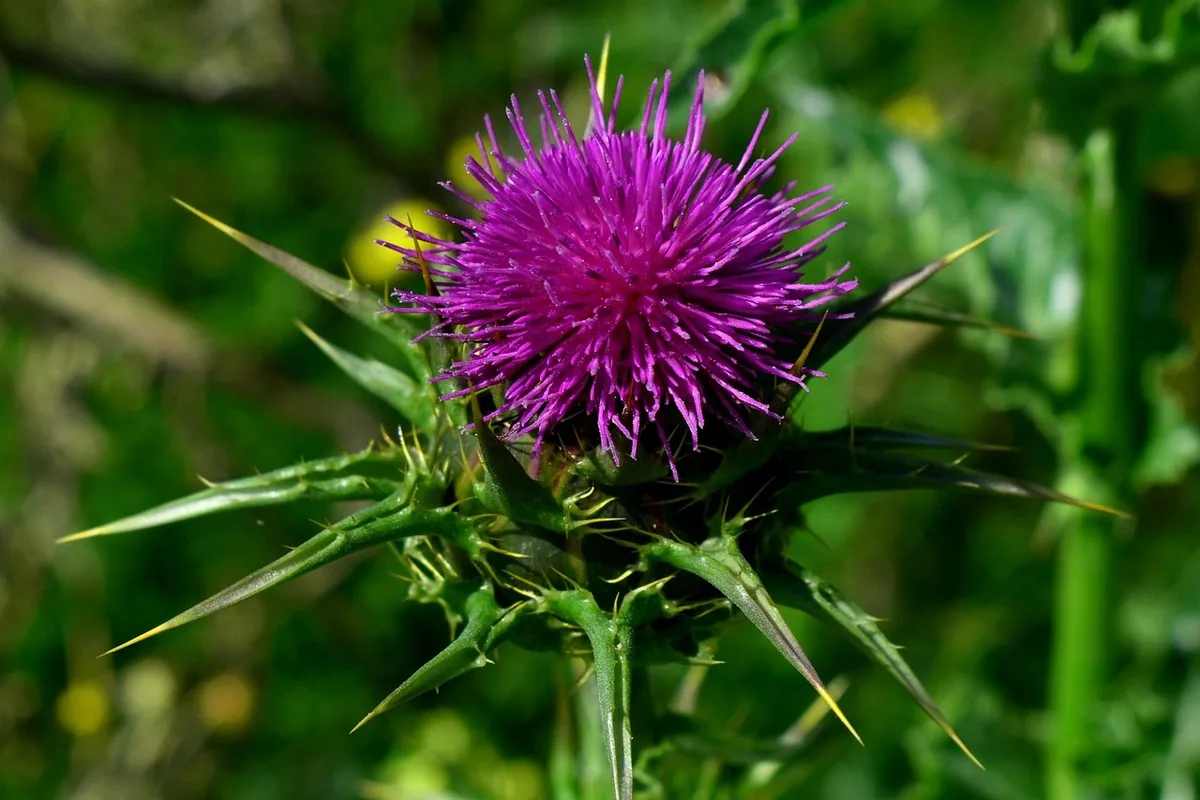
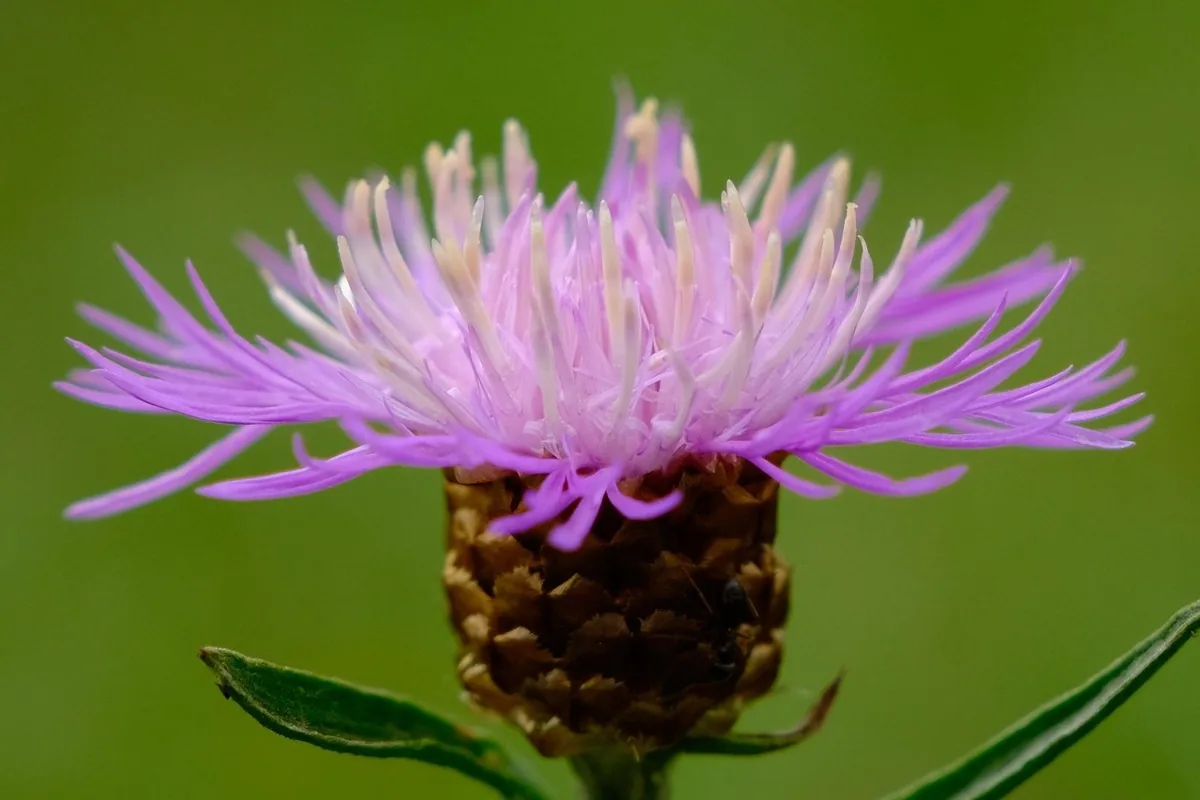
Let us start from the beginning. Milk Thistle is a plant belonging to the Asteraceae family, a relative of the common thistle, recognisable by its large violet flowers and its green leaves marbled with white. An ancient legend tells that these white markings are drops of milk — which gave the plant its Latin name Silybum marianum and its English common name, Milk Thistle.
But the value of the plant lies neither in its flowers nor its leaves. It resides in its seed — small and brown — which concentrates a group of molecules called silymarin. This complex brings together several flavonoids, the three principal ones being silybin (the most active and most studied), silidianin and silicristin. It is the extract of these seeds, not the whole plant, that has captured the attention of researchers for several decades.
A Plant of the Mediterranean Basin
Milk Thistle grows wild throughout the Mediterranean basin, from the dry terrains of southern Europe to the sun-drenched regions of North Africa, Morocco included. It is a hardy plant, thriving where others give up. This robustness is no minor detail: it explains why traditional Mediterranean medicines adopted it very early, long before laboratories turned their attention to it.
A History Two Millennia Old
The writings of Greco-Roman antiquity already mentioned Milk Thistle for liver and bile disorders. Over the centuries, herbalists across Europe and the Maghreb continued to use it. These ancient uses do not, by themselves, constitute scientific proof. But they attracted the attention of modern researchers who wanted to verify what empiricism had been suggesting for so long. That is exactly what happened from the mid-twentieth century onward, when silymarin was isolated and characterised.
Why Milk Thistle Attracts So Much Interest Today
The real turning point lies in the volume of accumulated research. Silymarin ranks among the most extensively analysed botanical extracts in the world. The NIH Office of Dietary Supplements fact sheet on NCBI Bookshelf2 reviews its uses and available data, while PubMed1 gathers hundreds of publications on the subject. This wealth of literature is precisely what sets Milk Thistle apart from a passing trend.
The Liver: The Behind-the-Scenes Worker We Neglect
To understand why Milk Thistle matters, one must first understand the organ it supports. The liver is the largest gland in the body — a chemically complex laboratory of fascinating intricacy, tucked beneath the right ribs. And most of us only give it a thought on the day it starts to struggle.
Hundreds of Functions, in Silence
The liver does far more than filter. It transforms the nutrients that come from digestion, manufactures essential proteins, stores certain vitamins and sugar as reserves, produces the bile that helps digest fats, and participates in neutralising compounds the body needs to clear. It is a permanent metabolic hub. When it works well, we do not notice it. When it struggles, the body sends diffuse signals: persistent fatigue, heavy digestion after rich meals, a less radiant complexion.
Talking About Detox Without Falling Into Myth
The word “detox” is everywhere and often misused. Let us be clear: the body already has its own mechanisms for processing and eliminating what it no longer needs, and the liver is the conductor of that orchestra. No plant “cleanses” a healthy liver the way you would empty a filter. What nutrition and certain botanical extracts can do is support the comfort of this organ and supply it with compounds studied for their antioxidant role. This nuance — faithful to the data and to regulatory authorities — is the position Alphavital chooses to hold, far from promises of miraculous purification.
Oxidative Stress: The Hidden Enemy of Cells
At the heart of many imbalances lies a phenomenon called oxidative stress. To simplify: our cells continuously produce unstable molecules known as free radicals, normal by-products of cellular respiration. An unbalanced diet, tobacco, pollution or excess of certain foods can increase the load. Antioxidants, in turn, help maintain this phenomenon in equilibrium. It is precisely on this terrain that the silymarin in Milk Thistle attracted researchers’ attention, as documented in a comprehensive review of silymarin’s antioxidant role in chronic liver disease3 (Cureus, 2024). In humans, a systematic review of 29 randomised controlled trials covering 3,846 participants4 assessed its effect on liver-enzyme markers.
What the Science on Silymarin Actually Says — Without Overstating It
Enthusiasm is one thing; data are another. Let us look — without inflating or understating — at what public research genuinely documents about the silymarin in Milk Thistle. The good news is that the material is abundant. The caveat is that it must be read with rigour.
A Widely Studied Antioxidant
The most solid axis of the research concerns silymarin’s antioxidant role. Numerous laboratory studies have described its capacity to neutralise certain free radicals and protect cell membranes from oxidative stress. This property is one of the reasons the NIH fact sheet on silymarin2 makes it a recurring subject of study. For the liver — an organ particularly exposed to the compounds the body must process — this antioxidant profile explains the plant’s longstanding scientific interest.
Supporting Liver Comfort
Beyond antioxidation, silymarin is studied for its role in supporting liver comfort. Researchers have described several possible pathways, including stabilisation of hepatic cell membranes and support of their natural repair mechanisms. It is important to remain precise here: this is about comfort support, within the context of sound lifestyle habits — not treatment. Milk Thistle is not a medicine and in no way replaces medical advice or monitoring.
Silymarin does not act like an eraser wiping away excess. It is better understood as a foundational support — accompanying an organ that is already capable of doing its job.
The right mental model
Keeping a Clear Head About Limitations
Let us be honest about the limits. Part of the research comes from laboratory or model-based studies, and human trials vary in size and methodology. Regulatory authorities call, as always, for interpreting these data with measured expectations. Above all, no supplement replaces a balanced diet, curbing excess and seeking medical monitoring when necessary. Milk Thistle is a serious, well-documented support — not a magic solution. This intellectual honesty is precisely what our readers deserve.
Why This Topic Matters in Morocco
Milk Thistle is not a distant laboratory curiosity. It responds to a very concrete Moroccan reality. Our lifestyle has changed faster than our habits, and the liver — this silent worker — often absorbs the consequences.

A Generous Table, a More Demanding Liver
Moroccan cuisine is one of the richest and most flavourful in the world. Honey and almond pastries, slow-cooked generous stews, festive fried foods, sweet mint tea at every hour — this generosity is part of our identity. But the liver works harder when meals are richer in sugars and fats. This is not a matter of guilt; it is a matter of balance. Between celebrations, a support routine has its natural place.
The Excess of Major Occasions
Weddings, religious holidays, homecomings, evenings among close ones: Moroccan social life is punctuated by moments of abundance. The liver absorbs these excesses, then returns to its rhythm. The idea is not to forgo these pleasures, but to frame the more demanding periods with attentive lifestyle choices — more vegetables and water — and, if one wishes, a botanical support such as Milk Thistle as an accompaniment.
Urban Pollution and the Modern Pace
In large cities, air quality has deteriorated, the pace has accelerated and sedentary habits have taken hold. Yet regular physical activity remains one of the best allies of metabolism and of the liver. Moving more, drinking enough water, limiting tobacco and excesses: these are the foundation, always. Milk Thistle comes in complement to that foundation — never in place of it. It is on this deep ground that it takes on its full meaning.
Honouring Our Heritage Without Overloading the Liver
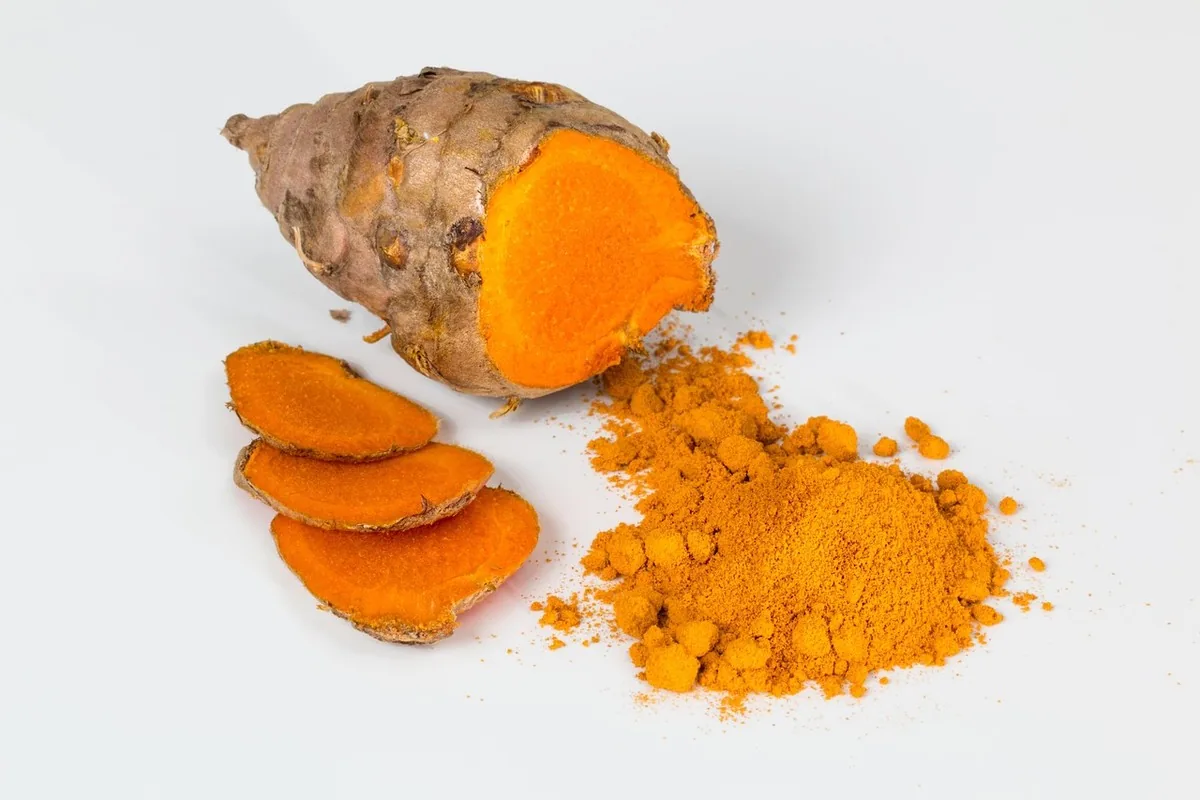
The good news is that our culinary heritage also carries precious allies. A tagine of vegetables and legumes, rich in fibre, supports gentler digestion. Traditional spices, turmeric chief among them, are studied for their properties. Olive oil, abundant water, fresh herbs: all of this forms a favourable framework. The secret is not to abandon our heritage, but to bring it into balance — and to add, when we choose, a targeted botanical support.
Milk Thistle and the Hepatic Complex: The Value of a Comprehensive Approach
Milk Thistle acts as a dedicated active, concentrated on silymarin. But liver comfort also involves complementary plants, studied for their role in bile flow and digestion. This is why Alphavital offers, alongside Milk Thistle alone, a complete hepatic formula.
Black Radish, Artichoke and Turmeric
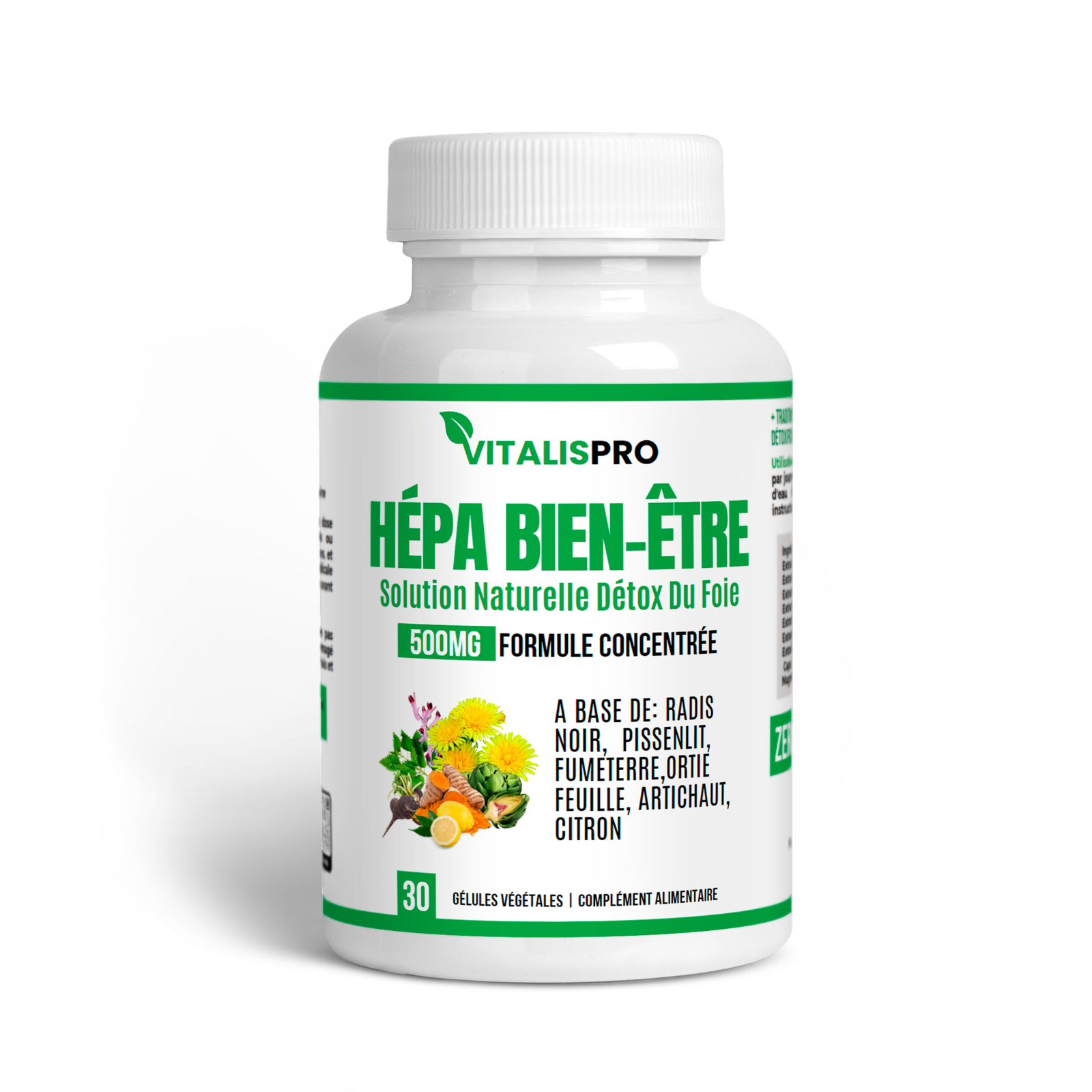
Alphavital’s Hépa Bien-Être formula brings together seven plants traditionally associated with liver and digestive comfort: black radish, dandelion, fumitory, nettle, artichoke, lemon and turmeric. Black radish and artichoke are historically linked to hepatobiliary comfort; turmeric to its antioxidant profile; dandelion and fumitory to digestion. Together, they cover a broader spectrum than any single one of them taken in isolation.
When to Choose the Single Active, When to Choose the Full Formula
The approach depends on the need. For those who want concentrated silymarin, adjusted to their meals within the recommended limit, Milk Thistle alone is ideally suited. For a more global deep routine around the liver and digestion — particularly after a period of excess — the Hépa Bien-Être formula delivers a synergy of several plants in one capsule per day. The two can even complement each other in a deep detox routine, as our product associations suggest.
Whether it is the silymarin in Milk Thistle or the turmeric in the full formula, a common thread links these plants: their antioxidant profile. Vitamin C also plays a recognised role in protecting cells from oxidative stress — a claim validated at European level. For those building an antioxidant routine, Alphavital Vitamin C 500 mg naturally completes an approach centred on liver comfort.
How to Run a Milk Thistle Course
Let us get practical. A Milk Thistle course is not improvised. Its success rests on three simple principles: the right dose, the right timing and, above all, consistency over time.
Dosage, Schedule and Taking It With Meals
Alphavital’s Milk Thistle comes as a seed extract at a 1:10 ratio, dosed at 300 mg per capsule, naturally rich in silymarin. The dosage is clear: 1 to 2 capsules per day with meals, with a large glass of water. This flexibility allows you to adjust intake to your situation and rhythm, never exceeding the recommended dose.
When and How to Take It
The best moment is with meals, which facilitate absorption of lipid-soluble compounds. Starting with one capsule per day, then gradually adjusting, is a gentle approach that gives the body time to adapt. Consistency takes precedence over everything: daily intake sustained over time is what gives the course its coherence.
How Long Does a Course Last?
This is the most important point, and the most widely misunderstood. Milk Thistle does not act within a few days. A deep course is planned over several weeks — typically one to two months of regular intake, alongside sound lifestyle habits. This is why Alphavital offers formats designed for the long term, such as the three-box course. The table below summarises the practical benchmarks for a successful course.
| Parameter | Practical Guidance |
|---|---|
| Form | Seed extract, 1:10 ratio, rich in silymarin |
| Dose per capsule | 300 mg extract |
| Schedule | 1 to 2 capsules per day |
| Timing | With meals, with a large glass of water |
| Course duration | 1 to 2 months of consistency for a deep background routine |
| Accompaniment | Balanced diet, water, regular physical activity |
The Alphavital Answer
In a market filled with widely unequal products, Alphavital has made a clear choice: to offer a serious Milk Thistle with a known dose and origin, within a coherent range built around the liver and digestion.
Transparency as a Founding Principle
A quality extract is first and foremost an extract whose form, ratio and dosage are known. Alphavital clearly states that this is a seed extract at a 1:10 ratio, dosed at 300 mg per capsule. By choosing a concentrated extract rather than a simple plant powder, users know precisely what they are taking — from one box to the next. This rigour, more than a slogan, is what makes a reproducible course possible.
Traced and Certified Quality
The formula holds ONSSA authorisation, its raw materials are traced from sourcing to encapsulation, and every batch is checked before packaging. The capsules are of vegetable origin and Halal — a point Alphavital upholds across its entire range. This quality consistency is what distinguishes a serious course from a chance purchase.
A Range Built Around the Liver
Alphavital offers two complementary answers. Milk Thistle, for the silymarin active alone, adjusted from 1 to 2 capsules per day with meals. And the Hépa Bien-Être formula, which brings together seven plants for hepatobiliary comfort in one capsule per day. Each person finds the format suited to their situation. To explore the full range and related topics, our digestion and immunity guide and our dossier on probiotics and the microbiome usefully complement this reading — the gut microbiome being closely linked to liver function.
A food supplement never replaces a balanced diet or medical monitoring. It accompanies a lifestyle — it does not replace one.
The golden rule
Precautions and Responsible Use
Milk Thistle is a well-tolerated plant, but like any concentrated botanical active it merits a few rules of caution.
Situations That Call for Professional Advice
Milk Thistle is not recommended for pregnant or breastfeeding women, or for children. Anyone following an ongoing treatment, or affected by a medical condition, is asked to seek advice from a healthcare professional before use, as interactions with certain medicines are possible. The product should also be kept out of the reach of children and the recommended dose should not be exceeded. These reservations align with the general recommendations of regulatory authorities on plant-based supplements.
The Right Reflex When in Doubt
At the slightest unusual sign, or if there is any question about compatibility with a personal situation, the right reflex is simple: speak with a healthcare professional. Milk Thistle is part of a long-term wellbeing approach — never part of a treatment logic. This caution does not diminish its value; it places it in its proper context. A question before you start? Our team responds directly via the Alphavital contact page.
The feedback our team receives speaks more eloquently than any discourse. Here are three testimonials, shared with the consent of their authors.
After a series of family celebrations, I was feeling heavy and tired. I decided to go back to a healthier routine — more vegetables and water — and I paired it with a regular course. After a few weeks, I felt lighter in my daily life, and my complexion seemed clearer to me. — Salma, Casablanca
What I liked was the simplicity. I take my tablets at lunch — it has become a reflex. I wanted something clean, with a known dosage, not a vague powder. The transparency about the extract convinced me. — Karim, Rabat
I opted for the full formula after the month of excess. One capsule a day, without complicating my life, alongside a return to walking. I am not claiming a effective, but my digestion settled and I feel better over time. — Hanane, Marrakech
These accounts illustrate a simple truth: the most lasting results come from combining what is on the plate, movement, and — where useful — a well-chosen support.
Milk thistle benefits: what the clinical trials measured
Silymarin, the active complex in milk thistle seeds, has been tested in many trials. Most of them measured liver enzymes in a blood test, such as ALT and AST, rather than how people feel. Here are three key pieces of evidence, including one with a negative result.
| Study (author, year) | Who, how much, how long | What was found |
|---|---|---|
| Mohammadi, 2024 (meta-analysis) | 41 trials in adults, with or without a liver condition; amounts and lengths varied | ALT, AST and alkaline phosphatase fell versus control, more clearly with long, high-dose use. No clear kidney benefit.5 |
| Wang, 2025 (Cochrane review) | 17 trials, 2,069 adults with fatty liver; 4 to 48 weeks | Silymarin alone may lower ALT by about 7 units, but the evidence is very uncertain. Serious side effects: no clear difference.6 |
| Navarro, 2019 | 78 adults with fatty liver inflammation; 420 or 700 mg three times a day; 48 weeks | No better than placebo on the main liver score. Side effects were similar to placebo, even at these high doses.7 |
What this does not show. Almost all of these people already had a liver condition diagnosed by a doctor. They are not the same as a healthy person who ate too much at Eid. Several trials used far more silymarin than one or two capsules a day. A lower enzyme number on a lab report is a marker, not a feeling, and the Cochrane team rated much of the evidence as very low certainty. Milk thistle does not replace medical follow-up. If you want to know what is happening in your liver, a blood test prescribed by your doctor, before and after a course, is the only reliable way.
How to take milk thistle: dose, timing and course length
- Pick one meal and stick to it. Lunch works well for most people, as it is often the main meal of the day in Morocco.
- Think in weeks, not days. Silymarin is poorly absorbed. Most of what you swallow is quickly processed by the gut and liver and sent out with bile, and only 1 to 5% leaves through the kidneys.8 That is why the trials gave it every day for weeks, and why one capsule after a heavy dinner is not the point.
Some people pair milk thistle with berberine, and the two do different jobs at the same meal. Milk thistle supports the liver slowly, over several weeks. Berberine helps the body handle the sugar and fat in the meal, with a first difference often felt within 24 hours, then building day after day. The Liver Detox Bundle with milk thistle and berberine is taken as one capsule of each at lunch. Two rules apply to berberine: never more than 1 g a day, and blood sugar must be monitored with a glucose meter, such as the VivaChek Ino glucose meter. Anyone on blood sugar medicine should talk to their doctor first.
Silymarin, silybin, extract: the words on a milk thistle label
Milk thistle labels use a few terms that are easy to mix up. Here is what each one means.
- Silymarin is not one molecule. It is a mix of several plant compounds found in the seed, called flavonolignans.
- Silybin is the main compound inside silymarin, and the one most studied in the lab.
- Standardised extract means the seed extract is adjusted so each batch carries a set share of silymarin. Whole seed powder has no such control: its content varies with the harvest.
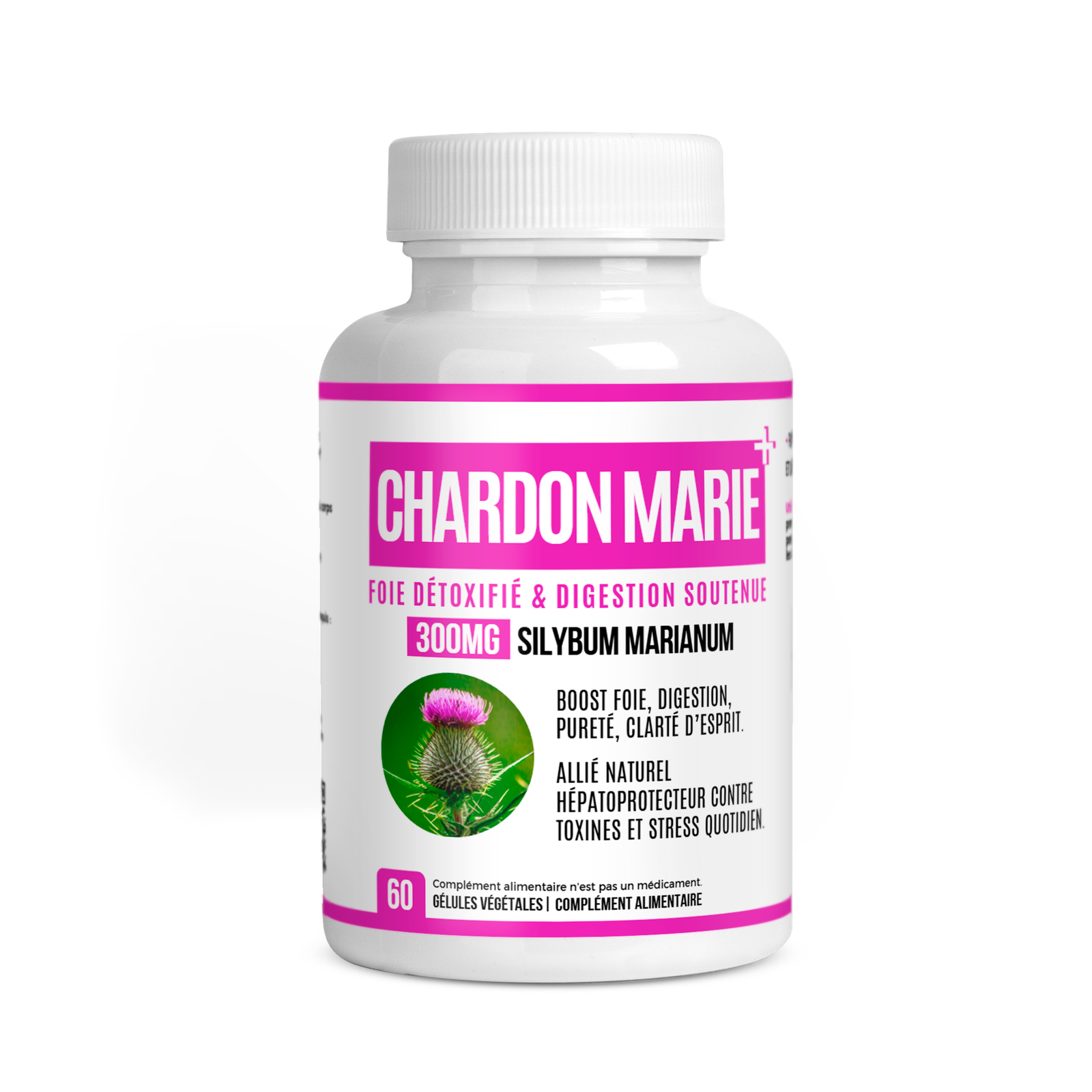
- The figure in mg on the front of the pack is the weight of extract per capsule. On Alphavital Milk Thistle, that is 300 mg of extract standardised in silymarin.
Why does this matter? The trials in the table used standardised silymarin, not ground seeds. A standardised extract keeps your daily intake steady from one box to the next, which is the only way to judge a course fairly.
Milk thistle side effects and who should check first
Milk thistle is one of the better-tolerated plant supplements. In the trials above, side effects were broadly similar to placebo. Here is what to know before you start.
- Digestion: a looser stool or mild stomach discomfort can happen in the first days. It usually settles. Taking the capsule in the middle of a meal helps.
- Allergy: milk thistle belongs to the daisy family, like ragweed, chamomile and artichoke. If you react to these plants, avoid it.
- Medicines: lab tests suggested silymarin could change how some drugs are handled. Most human studies found no such effect at usual doses.8 Still, if you take a daily medicine, show the box to your doctor or pharmacist first.
- A diagnosed liver condition: keep your medical follow-up. A supplement is never a substitute for it.
This page focuses on one plant and its evidence. For the daily habits, foods and other plants that matter for the liver, read our guide to natural liver detox: habits, food and plants. And if you have decided milk thistle suits you, the full composition is on the Alphavital Milk Thistle page.
Frequently Asked Questions About Milk Thistle
What is Milk Thistle and silymarin?
Milk Thistle (Silybum marianum) is a Mediterranean plant whose seeds concentrate a flavonoid complex called silymarin, of which silybin is the most studied molecule. It is one of the most documented botanical extracts in the public scientific literature, studied for its antioxidant role and for supporting liver comfort.
What is Milk Thistle used for, regarding the liver?
The silymarin in Milk Thistle is studied for its antioxidant role and for supporting liver comfort, within the context of a balanced diet and an active lifestyle. It is a background support, not a treatment: Milk Thistle never replaces medical advice or monitoring.
What is in Alphavital Milk Thistle?
Per capsule: a Milk Thistle seed extract at a 1:10 ratio, dosed at 300 mg, naturally rich in silymarin (silybin, silidianin, silicristin), in a Halal vegetable capsule. The composition matches the label exactly. Choosing a concentrated extract rather than a simple powder means knowing precisely what you are taking.
How do you take Milk Thistle and at what dose?
The recommended schedule is 1 to 2 capsules per day, with meals, with a large glass of water. Begin with one capsule and adjust gradually, without exceeding the recommended dose. Consistency sustained over several weeks remains the single most determinant factor for a background course.
How long before a course takes effect?
Milk Thistle is built for the long term. A deep routine is planned over one to two months of regular intake, alongside sound lifestyle habits. A course is measured in weeks, not days — which is why the long-duration formats Alphavital offers make sense.
Who should not take Milk Thistle?
Milk Thistle is not recommended for pregnant or breastfeeding women, or for children. Anyone following an ongoing treatment or affected by a medical condition must seek advice from a healthcare professional before use, as interactions are possible. Keep out of the reach of children and do not exceed the recommended dose.
What is the price and which formats are available for Milk Thistle in Morocco?
The price of Milk Thistle in Morocco depends on the course format. Alphavital offers the extract at a clear dosage of 300 mg per capsule, with traced and ONSSA-certified quality. Delivery is free from 170 MAD anywhere in Morocco, within 24 to 48 hours, with cash on delivery. For a complete routine, the range also includes the Hépa Bien-Être formula.
What are the most common side effects of milk thistle?
Mild digestive effects, such as a looser stool or slight stomach discomfort, mostly in the first days. In a large Cochrane review, serious side effects showed no clear difference with or without silymarin.6 Stop and ask a doctor if you notice a rash or any unusual reaction.
Can I take milk thistle every day?
Yes, within the advised amount. Some trials lasted 48 weeks at higher doses without more side effects than placebo. Taking a break between courses keeps the routine easy to assess.
Can I take milk thistle during Ramadan?
Yes. Take it with iftar or suhoor, with a large glass of water. Choosing the same meal every night makes it easier to stay regular through the month.
In Summary
Milk Thistle is one of the most well-documented botanical extracts for liver support. Its silymarin — studied for its antioxidant role and liver comfort contribution — makes it a credible deep-acting ally, provided it is seen for what it is: support for a healthy lifestyle, never a substitute for medical monitoring. In Morocco, where the table is generous and the modern pace demanding, it responds to a genuine need — between periods of excess and everyday life.
But Milk Thistle is not a magic formula. It gives its best within a holistic approach: a balanced plate, abundant water, movement, a course conducted with consistency and patience, and professional advice when the situation warrants it. It is in this spirit that Alphavital offers its range — from Milk Thistle alone to the Hépa Bien-Être formula — on one simple principle: transparency and fidelity to the data.
About the author. Laila Cherkaoui is Wellness & Phytotherapy Editor at Alphavital. She explores traditional plants in the light of research, turning them into clear, applicable guidance for daily Moroccan life.
Disclaimer. The information presented is provided for informational purposes only, based on referenced research (PubMed, NIH, EFSA). The Alphavital team is not composed of healthcare professionals. Consult a qualified healthcare professional before use, if you are undergoing treatment, if you are pregnant or breastfeeding, or if you have a medical condition. Food supplements do not replace a varied, balanced diet and a healthy lifestyle.
Sources and References
- PubMed (US National Library of Medicine) — silymarin / Milk Thistle, reviews and studies. PubMed
- NIH — NCBI Bookshelf / Office of Dietary Supplements, Milk Thistle reference fact sheet. NCBI Bookshelf
- “Silymarin as an Antioxidant Therapy in Chronic Liver Diseases: A Comprehensive Review”, Cureus, 2024. PubMed — PMID 39286715
- “Impact of Silymarin Supplements on Liver Enzyme Levels: A Systematic Review”, Cureus, 2023 — systematic review of 29 RCTs (3,846 participants). PubMed — PMID 38021897
- Mohammadi S, Ashtary-Larky D, Asbaghi O, et al. Effects of silymarin supplementation on liver and kidney functions: A systematic review and dose-response meta-analysis. Phytother Res. 2024;38(5):2572-2593. PubMed 38475999
- Wang C, Shang Y, Kanaan G, Chai L, Li H, Qi X. Silymarin for adults with metabolic dysfunction-associated steatotic liver disease. Cochrane Database Syst Rev. 2025;6(6):CD015524. PubMed 40552569
- Navarro VJ, Belle SH, D’Amato M, et al. Silymarin in non-cirrhotics with non-alcoholic steatohepatitis: A randomized, double-blind, placebo controlled trial. PLoS One. 2019;14(9):e0221683. PubMed 31536511
- Tvrdý V, Pourová J, Jirkovský E, Křen V, Valentová K, Mladěnka P. Systematic review of pharmacokinetics and potential pharmacokinetic interactions of flavonolignans from silymarin. Med Res Rev. 2021;41(4):2195-2246. PubMed 33587317