

Gut health is rarely what people talk about at the table, yet most of us know our own signals well: the bloating after a heavy dinner, the days a tense stomach spoils the mood, the trips when going to the toilet becomes hard. Good gut health is not a feeling you have to guess. It shows in a few simple signs, and research has measured which habits move them. Here is what those studies found, and a four-week plan to put it into practice.
For a long time it was assumed that digestion and immunity obeyed two separate logics. Research has swept that idea aside. The two are one, and the junction point has a single name: the gut. It is there, across a few metres of mucosa, that a decisive share of our overall health is determined. Understanding this connection is to hold one of the most useful threads in modern well-being.
In Morocco, the subject resonates deeply. A festive meal that weighs on the stomach, a digestive system thrown off rhythm during Ramadan, a fatigue that sets in with every seasonal change between Casablanca and Fez: these signals all speak the same language — that of a digestive and immune balance in need of recalibration. The good news is that science now illuminates simple gestures, and Moroccan cuisine offers a remarkably fertile terrain.
By Houda Khaldi, Editorial Adviser in Natural Nutrition · Published 23 August 2026 · 19-minute read
Contenu de la page
- 1 Key Takeaways
- 2 Digestion and Immunity: Why They Are Two Faces of the Same Balance
- 3 The Great Gut–Immunity Dialogue, Simply Explained
- 4 The Gut–Brain Axis: When Stress Comes to the Table
- 5 What Science Establishes, and What It Is Still Exploring
- 6 The Moroccan Plate: A Natural Ally of Balance
- 7 Why Modern Lifestyles Undermine This Balance
- 8 Propolis and Royal Jelly: The Immunity Reflex of Heritage
- 9 Ramadan, Travel, Seasons: The Moments When Balance Wavers
- 10 The Alphavital Response: A Coherent Digestion & Immunity Range
- 11 Building Your Routine: The User’s Guide
- 12 Three Readers Share Their Experience
- 13 Gut health: what the studies actually measured
- 14 How to tell if your gut health is improving
- 15 How to improve gut health in 4 weeks: a plan you can follow
- 16 Gut health supplements: which Alphavital option for which need
- 17 Frequently Asked Questions About Digestion and Immunity
- 17.1 What is the link between digestion and immunity?
- 17.2 How can I support digestion and immunity in Morocco?
- 17.3 Which Moroccan foods nourish gut flora?
- 17.4 Does propolis help immunity?
- 17.5 Should probiotics be taken year-round?
- 17.6 When do the first effects of a balance approach appear?
- 17.7 Are there any contraindications?
- 17.8 Which probiotics should I choose in Morocco, and at what price?
- 17.9 What are the signs of good gut health?
- 17.10 How can I improve my gut health quickly?
- 17.11 Do gut health supplements work?
- 17.12 Does exercise help gut health?
- 18 In Summary
Key Takeaways
- Digestion and immunity in Morocco rest on the same pillar: the health of the gut and its flora, the microbiome.
- A large proportion of immune cells are concentrated around the intestine, making the gut wall a major defensive outpost of the body.
- The intestinal barrier, only a single cell layer thick, filters nutrients and blocks unwanted agents. A balanced microbiome keeps it robust.
- Traditional Moroccan food, rich in fibres, fermented foods and polyphenols, nourishes this equilibrium; modern lifestyles tend to erode it.
- Alphavital builds a coherent Digestion & Immunity range: dosed ferments and prebiotics, propolis and royal jelly — designed as complementary supports for this inner terrain.

Digestion and Immunity: Why They Are Two Faces of the Same Balance
Imagine a border stretching several metres, folded in on itself, unrolled inside your abdomen. That border is the wall of your intestine. It separates the outside world — everything you swallow — from the inner environment of your body. And at this precise location the essential dialogue between digestion and natural defences converges.
Because the gut does not simply digest. It watches, it sorts, it decides. With every meal, billions of molecules present themselves at its gate. Some are nutrients to let through. Others are intruders to repel. To arbitrate continuously, the intestine houses one of the body’s largest immune networks. Estimates indicate that a majority of immune cells are concentrated at this level — a fact now well documented by research.1
The gut is not merely a digestive organ. It is one of the body’s greatest immune surveillance posts, where every meal becomes a decision.
This dual function explains an intuition that many feel without being able to articulate it. When the gut is off, one feels globally less well, more vulnerable. When it is functioning well, energy and defences seem to follow. This is not an impression: it is the daily expression of a real biological connection.
The Microbiome: Conductor of the Orchestra
At the heart of this system lives a vertiginous population of micro-organisms: the gut microbiome. Hundreds of bacterial species, tens of trillions of cells, a weight of around two kilograms. This living organ, long neglected, is today recognised as a central player in digestion and immunity.
Its role is threefold. First, it helps digest what our body cannot break down alone — fibres in particular. Second, it manufactures certain vitamins, such as vitamin K and several B-group vitamins. Third, it educates the immune system, teaching it to distinguish the harmless from the threatening. Inserm dedicates a comprehensive dossier to the gut microbiome6 detailing its digestive, metabolic and immune functions. We have devoted a full reference guide to this topic in our guide to probiotics and the microbiome in Morocco, which makes ideal complementary reading.
The Intestinal Barrier: A Wall Just One Brick Thick
Consider a striking image. The wall separating the contents of your intestine from the rest of your body is only a single cell layer thick. One layer. These cells are pressed together like bricks in a wall, linked by tight junctions. This fragile yet ingenious wall lets nutrients pass while blocking unwanted elements.
A balanced microbiome contributes to keeping this wall solid and intact. Conversely, a depleted flora can weaken this frontier, which sustains a low-grade, discreet yet persistent inflammatory state. One begins to understand why so many researchers see the gut as the starting point for a well-being far broader than digestion alone.

The Great Gut–Immunity Dialogue, Simply Explained
How, in concrete terms, do the gut and immunity communicate? The mechanism is elegant, and it merits attention without unnecessary jargon.
Everything starts from the encounter between the microbiome and the immune cells lodged in the intestinal wall. Good bacteria occupy the terrain, consume resources and prevent undesirable species from proliferating. This is known as the barrier effect. In parallel, they gently stimulate defence cells, keeping them trained and reactive without needlessly mobilising them.
Fibres play a key role here. When bacteria ferment them, they produce beneficial compounds including short-chain fatty acids. The best known, butyrate, is the preferred fuel for the cells lining the colon. These molecules nourish the wall, reinforce its integrity and calm inflammation. Several scientific reviews detail these mechanisms of the dialogue between gut flora and natural defences.2
Taking care of your digestion means taking care of your immunity. The two share the same terrain, the same conductor, the same fuel: a nourished and diverse gut flora.
This logic illuminates a simple truth. There is no need to strengthen digestion on one side and boost immunity on the other. There is a single project: maintaining gut equilibrium. The rest follows, because everything originates there.
Microbial Diversity: The Marker That Commands Consensus
One point unites the scientific community: the richness of the microbiome matters above all else. A diverse flora, harbouring many species, is more resilient. It withstands disruptions better — whether a passing infection, a dietary excess or a course of antibiotics. A depleted flora, dominated by a handful of species, proves more fragile by contrast.
Yet this diversity is built meal by meal. The most recent research consistently establishes a link between the variety of plant foods consumed and bacterial richness. The more colourful and varied the plate, the richer the flora. This is one of the most actionable findings from all microbiome research, and it costs nothing more than a little attention to what goes in the shopping basket.
The Gut–Brain Axis: When Stress Comes to the Table
It is impossible to speak of digestive balance without addressing stress. The gut is sometimes called our second brain, so dense and continuous is the exchange between the two. They communicate through neural pathways and chemical messengers, in both directions.
The result is felt daily. An exam, a period of overload in Rabat, a persistent worry, and it is often the belly that speaks first: a knot in the stomach, a disrupted transit, an erratic appetite. Conversely, an unbalanced gut can sustain irritability and fatigue. The loop is real, and it runs in both directions.
One figure captures the attention: a large proportion of the body’s serotonin, the messenger associated with mood, is produced at the gut level. The microbiome participates in this delicate chemistry. This authorises no hasty promises, but the coherence of the picture is striking. For a deeper exploration of this nervous dimension, our team has gathered its reference points in the guide on stress and sleep the natural way.

Three simple levers help to soothe this dialogue. Sleep first — the body’s true repairer. Breathing and pauses second, to bring tension down. Hydration last, too often neglected: drinking regularly between meals supports transit and the proper functioning of the intestinal environment. None of these gestures is spectacular. Their power lies in repetition.
What Science Establishes, and What It Is Still Exploring
Honesty is a mark of respect. On digestion and immunity, research has solid certainties and fields still open. Let us separate these clearly.
Where the Data Are Robust
Digestive comfort is the best-documented terrain. Several syntheses report that certain ferment strains contribute to better intestinal comfort and a more regular transit. Benefits are strain-dependent: not all bacteria are equal, and each has its domain of action. This is why the quantity of ferments and their traceability matter as much as their mere presence.
The case of antibiotics is among the most firmly established results. These medicines save lives but make no distinction: in eliminating harmful bacteria, they also decimate beneficial ones, hence the frequent antibiotic-associated diarrhoea. A large analysis gathering dozens of clinical trials showed that taking ferments during this type of treatment is associated with a reduction in this risk.3 The golden rule remains to follow the advice of the prescribing healthcare professional. A supplement never replaces a medication. Preserving one’s flora also connects to a broader public health issue — that of antimicrobial resistance, described by the World Health Organization5.
On the immunity side, the role of vitamins is well defined by the relevant authorities. Vitamin C and vitamin D contribute to the normal functioning of the immune system — an effect recognised and entered in the European health claims register.4 This is not a marketing slogan: it is a validated claim, which we cite as is, without distortion.
Where Research Is Still in Its Early Stages
The microbiome is associated with many domains still being explored: metabolism, weight regulation, skin quality, mood balance. The avenues are exciting, but conclusions remain more cautious. Our editorial line is consistent: we present these subjects as promising fields of study, not commercial promises. This restraint is, in our view, the hallmark of a trustworthy brand.
The Moroccan Plate: A Natural Ally of Balance
Before any supplement, there is the table. And Moroccan cuisine, in many respects, is a friend to the gut. The paradox is that modern lifestyles sometimes distance us from these ancestral reflexes. Bringing them back is one of the most rewarding gestures for digestion and immunity.
Prebiotic Fibres and Fermented Foods in Morocco: Everywhere in Our Larder
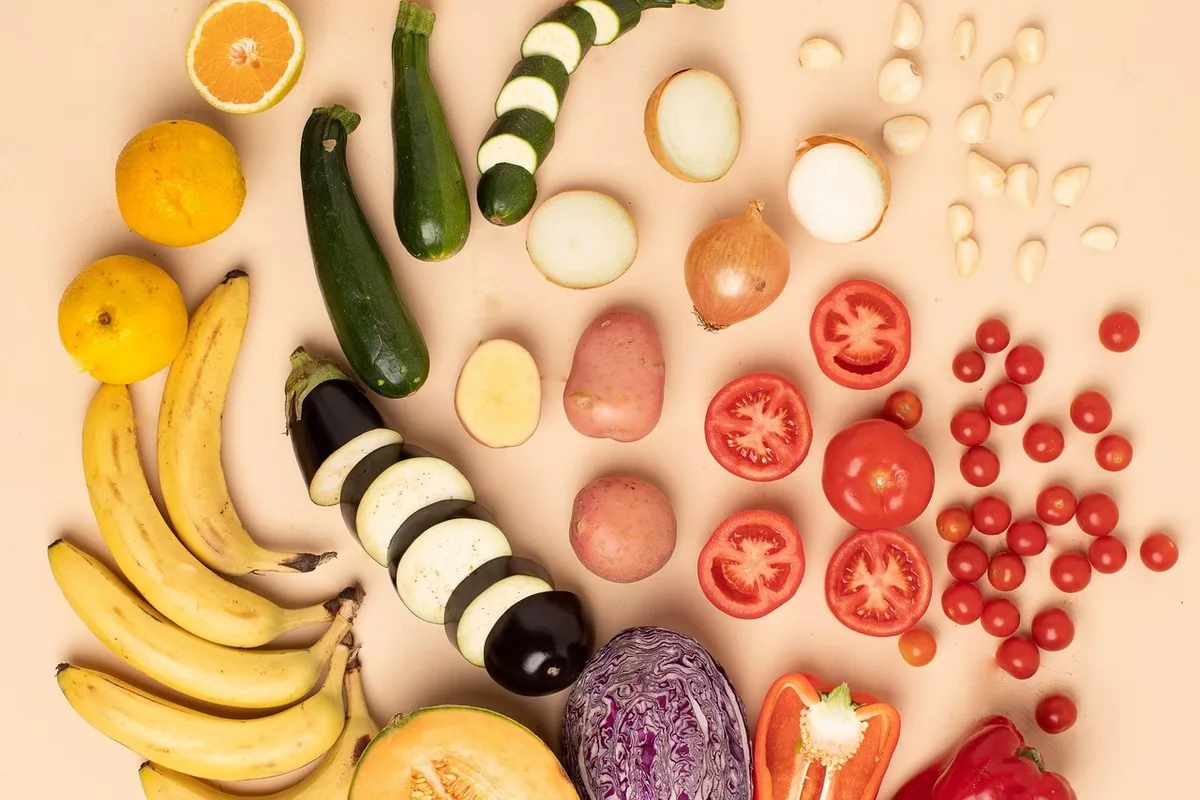
Without fibres, even the finest ferments spin their wheels. Fortunately, the Moroccan larder abounds in them. Garlic and onion, the foundation of almost all our dishes, are naturally rich in prebiotics. Legumes — lentils, chickpeas and broad beans — are excellent sources. Add whole grains, fruit and a wide range of vegetables, and the flora is well served.
Harira, that iconic dish of the Moroccan table, perfectly illustrates this richness. Abundant in legumes and vegetables, it provides fibres in abundance while remaining gentle on the intestine. This is precisely the type of dish that gut flora appreciates — provided it is not drowned in the fried accompaniments that sometimes surround it.

Fermented Foods: Heritage Treasures
Long before the word “probiotics” entered the lexicon, our grandmothers were already fermenting. Lben, the fermented milk that accompanies so many meals, is the most emblematic example. Brined olives, preserved lemon and certain traditional fresh cheeses also provide ferments. Plain yoghurt, simple and accessible, remains a reliable staple.
These foods have a double merit: they belong to our culture and they nourish the flora. Reintegrating them is not following a trend — it is reconnecting with a know-how that science now validates.
Polyphenols: Discreet Allies
One last group deserves mention: polyphenols. These plant compounds, found in tea, aromatic herbs, colourful fruits and olive oil, are partly transformed by the microbiome and participate in its equilibrium. The simple mint tea shared with family is therefore not merely a social ritual: it is also a gesture for one’s flora.
| Category | Moroccan examples | Contribution to balance |
|---|---|---|
| Prebiotic fibres | Lentils, chickpeas, garlic, onion | Feed beneficial bacteria |
| Fermented foods | Lben, olives, plain yoghurt | Provide live ferments |
| Polyphenols | Tea, olive oil, colourful fruits | Support flora diversity |
| Hive products | Propolis, royal jelly, honey | Traditional support for natural defences |

Why Modern Lifestyles Undermine This Balance
If traditional cooking is a friend to the gut, several contemporary habits work against it. Identifying them allows course correction without upending one’s life.
| Factor | Effect on balance | Useful action |
|---|---|---|
| Ultra-processed foods | Impoverish flora diversity | Return to home cooking |
| Fibre deficiency | Starve beneficial bacteria | Vegetables, legumes, fruit |
| Chronic stress | Disrupts the gut–brain axis | Sleep, breathing, pauses |
| Repeated antibiotics | Reduce beneficial flora | Use under practitioner guidance |
| Sedentary lifestyle | Associated with less rich flora | Daily walking |
The common thread is clear. What impoverishes the flora undermines both digestion and immunity, since the two share the same terrain. And what nourishes it reinforces the whole. This is a deep logic, not a collection of isolated prescriptions.
Propolis and Royal Jelly: The Immunity Reflex of Heritage
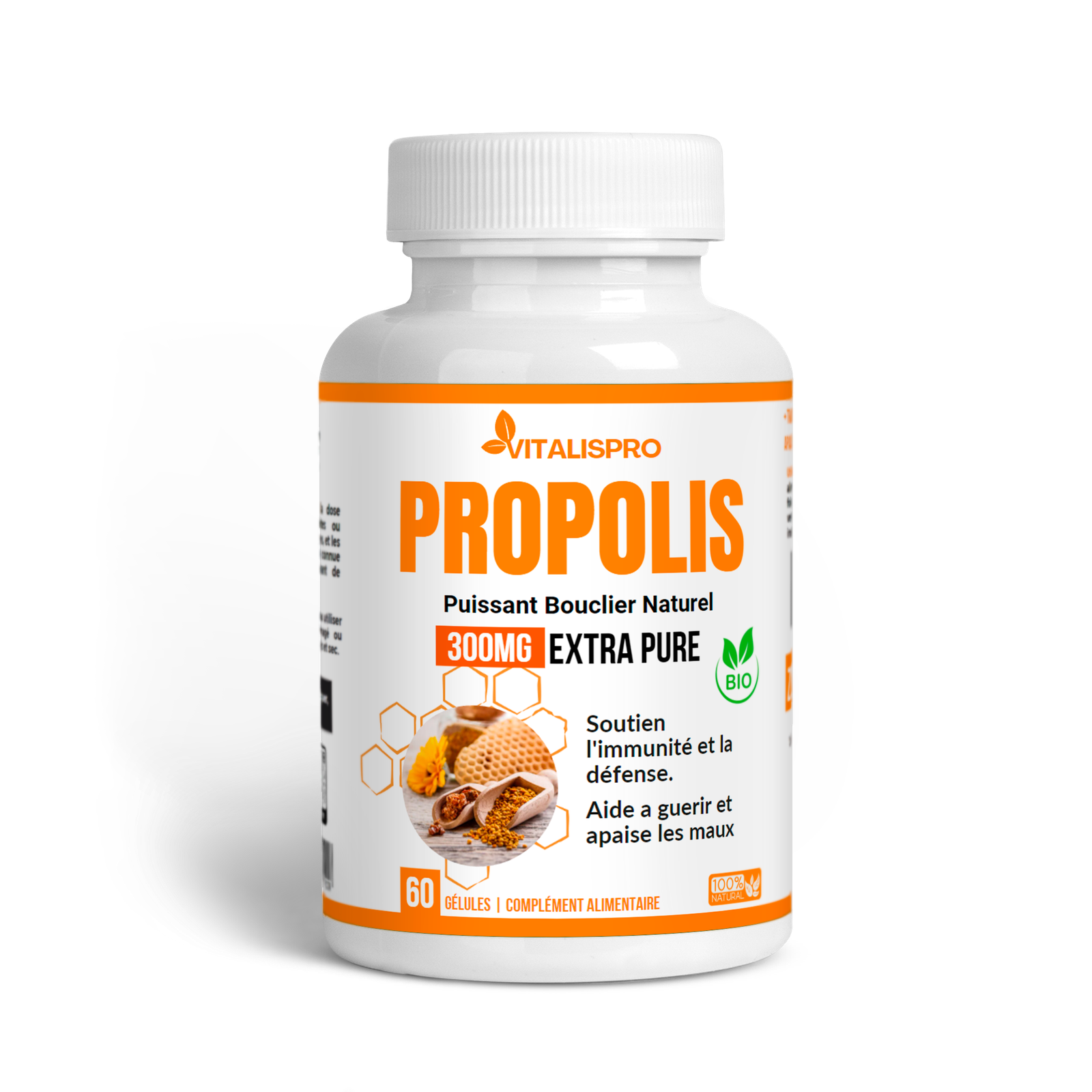
In Morocco, hive products occupy a special place in natural care culture. Propolis, the resin that bees produce to protect their colony, is traditionally recognised as a support for natural defences. Royal jelly, the queen’s food, has been associated for generations with vitality and energy.

These products complement — and do not replace — the dietary foundation. When autumn arrives and defences are put to the test, they integrate into an overall strategy: nourished flora, a varied plate, sufficient sleep, and a targeted boost at the right moment. It is this coherence that makes the difference, far more than any isolated effective ingredient.

Our team has detailed this aspect in its comprehensive guide to strengthening natural defences, which extends this reading usefully. For those seeking broader digestive support, the reference guide on moringa in Morocco and the Moringa & Probiotics programme offer complementary perspectives.
Ramadan, Travel, Seasons: The Moments When Balance Wavers
The gut dislikes sudden disruptions. Our calendar contains several, and it is better to anticipate them than to suffer their consequences.
The Month of Ramadan: A Transition to Support
During Ramadan, the digestive clock is completely reorganised. Meals concentrate into a few hours, often rich at the breaking of the fast. The flora, accustomed to a regular rhythm, must adapt. Many experience bloating or irregular transit, especially in the first days.
A few reflexes help considerably. Favouring gut-gentle foods at f’tour, such as harira rich in legumes, rather than stacking up fried dishes. Reintroducing a fermented dairy product such as lben. Drinking sufficiently between f’tour and s’hour. And avoiding turning every evening into an unbroken feast, which the flora tolerates poorly. These simple adjustments often make all the difference to comfort throughout the month.
Seasonal Changes and Travel
Autumn and the transition to winter put defences to the test. This is a period when tending to one’s flora is particularly meaningful, as a complement to the classics: sleep and a varied diet. Travel, for its part, exposes one to new bacteria and different water; a robust microbiome adapts to these novelties better. Anticipating these windows means approaching winter and trips with more solid ground underfoot.
The Alphavital Response: A Coherent Digestion & Immunity Range
The plate first, always. But there are situations where a well-formulated supplement provides a pertinent boost. After a difficult digestive episode, during a seasonal change, through an intense period of stress, or simply to maintain flora on a regular basis. A serious formula is required for this.
That is the philosophy that guided our team’s work. Rather than multiplying promises, Alphavital built a Digestion & Immunity range conceived as a coherent whole, where each product addresses a specific need of the same inner terrain.
The Foundation: Ferments and Prebiotics
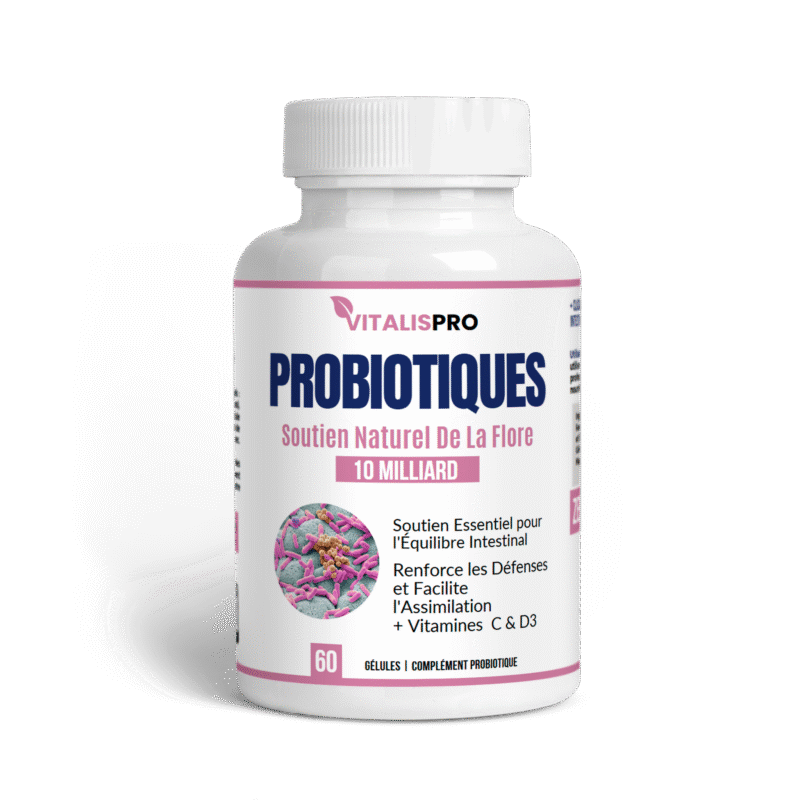
At the centre of the range, a formula brings together the essentials in a single daily gesture: 10 billion ferments (10 billion CFU), paired with prebiotics that nourish them, and complemented by vitamins C and D3. This trio is not incidental: vitamins C and D contribute to the normal functioning of the immune system according to European authorities.4 Every batch is traced and analysed. Alphavital recommends two capsules a day, one in the morning and one in the evening, with a large glass of water: a 60-capsule bottle covers one month’s course.
Immunity Support: Propolis and Royal Jelly
To support the immune terrain through the seasons, Alphavital pairs propolis and royal jelly in a formula dedicated to energy and natural defences. This hive duo extends the action of the digestive foundation, drawing on a heritage of natural care deeply rooted in Morocco.
Good digestive and immune balance does not hinge on a single product. It hinges on a comprehensive strategy: nourishing the flora, varying the plate, managing stress and, when useful, choosing a targeted support.

A question before you start? Our team answers directly via the Alphavital contact page, to guide you towards the support best suited to your situation.
Building Your Routine: The User’s Guide
A few practical markers help avoid the most common mistakes and make the most of a balance-focused approach.
Where to Begin
Always with the plate. Add a portion of legumes, a source of fermented food and more varied vegetables. Hydrate regularly between meals. Protect your sleep. Once these foundations are in place, a well-chosen supplement reinforces the whole — it never replaces it.
Consistency Above All
Steadiness trumps intensity. It is daily repetition over several weeks that allows the benefits of a ferment course to take hold. An occasional missed dose does not undo the effort, but chronic irregularity does. For deep maintenance, an approach based on regular courses — for instance at each seasonal change — makes complete sense.
Precautions to Know
Digestive and immune balance supplements are well tolerated by most people. A few precautions apply nonetheless. In cases of pregnancy or breastfeeding, chronic pathology, weakened immunity or ongoing treatment, a healthcare professional’s advice is essential before starting. At the beginning of a ferment course, mild gurgling or bloating may occur; these generally subside within a few days as the flora adjusts.
The feedback our team receives is worth more than any discourse. Here are three testimonials, shared with their authors’ consent.
I always separated my fragile gut from my recurring colds. Working on both together — the plate first, then a course — I realised there was only ever one project. My winter was noticeably quieter. — Younes, Casablanca
After a very stressful period, my digestion became unpredictable. I resumed the lben, the lentils, and paid attention to my sleep. Regularity returned, and with it an energy I had stopped expecting. — Nawal, Rabat
In my fifties I fell ill every season change. This year I bet on my flora and propolis in autumn. I won’t claim a effective, but the contrast is real. — Hassan, Marrakech
These accounts illustrate a simple truth: the most lasting results come from the combination of plate, lifestyle and, when useful, a well-chosen supplement.
Gut health: what the studies actually measured
“Eat more fibre” and “take probiotics” are repeated everywhere. Fewer articles say who was tested, for how long, and what really changed. Here are five human studies that shaped what we know about how to improve gut health.
| Study (author, year) | Who, how much, how long | What was found |
|---|---|---|
| Wastyk, 2021 | 36 healthy adults; either more fermented foods or more fibre each day; 17-week study | The fermented-food group gained gut bacteria diversity and had lower inflammation markers. The fibre group gained fibre-digesting bacterial activity.7 |
| David, 2014 | A small group of adults; a diet of only plant foods or only animal foods; 5 days each | Gut bacteria changed within days of changing the diet.8 |
| McDonald, 2018 | Over 10,000 volunteers; food questionnaire and stool samples | People eating more than 30 different plants a week had more diverse gut bacteria than those eating fewer than 10.9 |
| Allen, 2018 | 32 adults who did not exercise; endurance training 3 times a week, 30 to 60 minutes; 6 weeks | Gut bacteria changed, with more short-chain fatty acids in lean people. Most changes faded after 6 weeks without exercise.10 |
| Dimidi, 2014 (meta-analysis) | 14 trials, 1,182 adults with constipation; various probiotics | Food moved through the gut about 12 hours faster, with 1.3 more bowel movements a week. Results varied by strain.11 |
What this does not show. More diverse gut bacteria is a sign researchers use, not a health result in itself. Most of these studies were small, short, and done in Europe or the United States, with diets quite different from ours. The probiotic results depend on the strain, and they came from people with constipation, not from everyone. What the studies do agree on is the direction: what you eat, how much you move and how regularly you do it change your gut within days to weeks, and the gains fade when the habit stops.
How to tell if your gut health is improving
You do not need a lab test to follow your gut. Four everyday signs give a clear picture, and they are the ones to watch during the plan below:
- Regularity. Going to the toilet at a fairly steady rhythm, without straining. Normal ranges from three times a day to three times a week, so what matters is your own pattern.
- Stool shape. Soft but formed, easy to pass. Hard lumps or very loose stools on most days are worth noting.
- Bloating after meals. Some gas is normal, especially when you add fibre. Bloating that eases over the weeks is a good sign.
- Energy after eating. Leaving the table light rather than heavy and sleepy.
Some signs are not a matter of habits and need a doctor, not a supplement: blood in the stool, weight loss without trying, pain that wakes you at night, or a change in bowel habits that lasts more than three weeks.
How to improve gut health in 4 weeks: a plan you can follow
- Week 1: count your plants. For seven days, note every different plant food you eat: vegetables, fruit, pulses, whole grains, nuts, seeds, herbs and spices. Cumin, coriander, parsley, ginger and turmeric each count as one. Most people are surprised by their number. Then aim to climb towards 30 a week.
- Week 2: add one fermented food a day. This was the change that raised gut bacteria diversity in the Wastyk study.7 Raib, lben or plain yoghurt with breakfast, or a few brined olives with lunch, is enough. Choose versions without added sugar.
- Week 3: raise fibre slowly and drink more water. Add it over several days, not in one go, and drink water between meals, especially in the summer heat. A sudden jump is what causes most bloating.
- Week 4: move three times a week. Brisk walking, cycling or any activity that raises your breathing for 30 minutes or more. In the Allen study, the changes in gut bacteria needed the exercise to continue.10
At the end of the four weeks, look back at the four signs above. Keep what worked. Sleep is part of the picture too: short nights tend to bring heavier meals, more sugar cravings and a stomach that feels tense the next day.
Gut health supplements: which Alphavital option for which need
Food comes first. A supplement makes sense when the plan above is in place and you want extra support, for example after a course of antibiotics, during a stressful period, or around a trip. Alphavital keeps it to three clear options:
- Everyday flora support. Alphavital Probiotics with vitamins C and D3 brings 10 billion live ferments (CFU) together with the prebiotic fibres that feed them (inulin and FOS type), plus vitamins C and D, which contribute to the normal function of the immune system. Take two capsules a day: one in the morning and one in the evening, with a large glass of water. A course lasts two to three months.
- When stress shows up in the stomach. The Digestive Comfort Programme brings three products that work on two linked fronts. The probiotics support the flora; ashwagandha helps you stay calm on demanding days and wind down in the evening; moringa adds nutrients from a whole plant. Take the probiotics morning and evening, one ashwagandha capsule every evening at a fixed time, with a second one in the day when stress rises, and moringa with or after meals. Calmer evenings lead to better nights, and better nights lead to more energy, and a more settled stomach, the next day.
- Flora plus a nutrient boost. The Moringa and Probiotics pack pairs the same ferments with moringa, for people who also feel low on energy.
Two questions come up often. To choose between probiotics in general, read our guide on how to choose a probiotic supplement. To get the timing right, see the best time to take probiotics. This page stays on the bigger picture: the daily habits that make any supplement worth taking.
Frequently Asked Questions About Digestion and Immunity
What is the link between digestion and immunity?
The link runs through the gut. A large proportion of immune cells are located in the intestinal wall, and the microbiome living within it educates natural defences. Taking care of digestion by nourishing the flora therefore simultaneously supports immunity. The two share the same terrain and the same balance.
How can I support digestion and immunity in Morocco?
First through the plate: prebiotic fibres (legumes, garlic, onion), fermented heritage foods (lben, olives, yoghurt), plant variety and polyphenols (tea, olive oil). Add sufficient sleep, good hydration and stress management. When a boost is useful, a formula of dosed ferments and prebiotics, or a support like propolis, completes this base.
Which Moroccan foods nourish gut flora?
Legumes (lentils, chickpeas, broad beans) and aromatics (garlic, onion) provide prebiotic fibres. Lben and brined olives supply ferments. Mint tea and olive oil are rich in polyphenols. Harira, which combines legumes and vegetables, is an excellent example of a gut-friendly dish.
Does propolis help immunity?
Propolis is a hive product traditionally recognised for supporting natural defences and vitality, particularly at seasonal transitions. It fits into an overall strategy, complementing nourished flora and a varied diet. It does not replace medical treatment or the advice of a healthcare professional.
Should probiotics be taken year-round?
Not necessarily. Many people adopt an approach based on regular courses — for instance at seasonal changes or after a digestive episode. The key is consistency during the course over several weeks, rather than erratic ongoing use. Listening to one’s body remains the best guide.
When do the first effects of a balance approach appear?
With dietary changes, digestive comfort may improve within days to a few weeks. With a ferment course, many observe better comfort after two to four weeks of regular intake. Consistency is decisive: benefits consolidate through repetition, not overnight.
Are there any contraindications?
These supplements are generally well tolerated. As a precaution, in the case of pregnancy, breastfeeding, weakened immunity, chronic pathology or ongoing treatment, seek a healthcare professional’s advice before starting. Mild bloating at the start of a ferment course is possible and temporary.
Which probiotics should I choose in Morocco, and at what price?
In Morocco, a good probiotic is recognised above all by the number of ferments (in billions of CFU), the presence of prebiotics to nourish them, and clear batch traceability. The Alphavital formula combines 10 billion ferments, prebiotics and vitamins C and D3, in capsule form, for one month’s course per bottle. Price depends on the chosen course format. Customer reviews in Morocco consistently emphasise one point: it is the regularity of intake over several weeks that makes the difference to digestive comfort.
What are the signs of good gut health?
A steady bowel rhythm without straining, soft and formed stools, little bloating after meals, and feeling light rather than heavy after eating. Your own regular pattern matters more than a fixed number.
How can I improve my gut health quickly?
Diet changes the gut faster than most people think: in one study, gut bacteria shifted within days of a change in diet.8 The quickest steps are adding one fermented food a day, eating more types of plants, and drinking water between meals. Feeling the difference in comfort usually takes a few weeks of steady habits.
Do gut health supplements work?
Some do, for specific needs. In a meta-analysis of 14 trials in adults with constipation, probiotics shortened transit time and added about 1.3 more bowel movements a week, with results that varied by strain.11 A supplement works best on top of good food habits, not instead of them.
Does exercise help gut health?
Yes, in a measurable way. Six weeks of regular endurance exercise changed gut bacteria in previously inactive adults, and most changes faded once they stopped.10 Three sessions of 30 minutes or more a week is a realistic goal.
In Summary
Digestion and immunity in Morocco are not two separate objectives, but two facets of a single balance, sealed at the heart of the gut. It is maintained first through the plate: abundant prebiotic fibres, fermented foods from our heritage, plant variety, polyphenols, and sound management of stress and sleep. When a boost is useful, a serious range combining dosed ferments, prebiotics and traditional supports such as propolis makes complete sense.
This is the path Alphavital has chosen, with a transparent approach, faithful to science and rooted in Moroccan culture. Taking care of one’s inner balance is not following a trend. It may well be one of the most rewarding gestures for overall well-being.
About the author. Houda Khaldi is Editorial Adviser in Natural Nutrition at Alphavital. She translates scientific research into clear, actionable guidance for everyday Moroccan life.
Disclaimer. The information presented here is provided for informational purposes, based on sourced research (PubMed, EFSA, WHO, NIH). The Alphavital team is not composed of healthcare professionals. Consult a qualified healthcare professional before any use, if you are undergoing treatment, pregnant or breastfeeding, or have a pathology. Food supplements do not replace a varied, balanced diet or a healthy lifestyle.
Sources and References
- Wiertsema S. et al. — Microbiome, immunity and resistance to infection, synthesis review. PubMed Central
- Zheng D, et al. Interaction between microbiota and immunity in health and disease. Cell Res. 2020;30:492-506. PubMed
- Hempel S, et al. Probiotics for the prevention and treatment of antibiotic-associated diarrhea: a systematic review and meta-analysis. JAMA. 2012;307:1959-1969. PubMed
- Health claims register (vitamins C and D, immune system). EFSA
- Antimicrobial resistance, public health issue. World Health Organization
- Gut microbiome dossier — digestive, metabolic and immune functions. Inserm
- Wastyk HC, Fragiadakis GK, Perelman D, et al. Gut-microbiota-targeted diets modulate human immune status. Cell. 2021;184(16):4137-4153.e14. PubMed 34256014
- David LA, Maurice CF, Carmody RN, et al. Diet rapidly and reproducibly alters the human gut microbiome. Nature. 2014;505(7484):559-63. PubMed 24336217
- McDonald D, Hyde E, Debelius JW, et al. American Gut: an open platform for citizen science microbiome research. mSystems. 2018;3(3):e00031-18. PubMed 29795809
- Allen JM, Mailing LJ, Niemiro GM, et al. Exercise alters gut microbiota composition and function in lean and obese humans. Med Sci Sports Exerc. 2018;50(4):747-757. PubMed 29166320
- Dimidi E, Christodoulides S, Fragkos KC, Scott SM, Whelan K. The effect of probiotics on functional constipation in adults: a systematic review and meta-analysis of randomized controlled trials. Am J Clin Nutr. 2014;100(4):1075-84. PubMed 25099542