

Losing a word mid-sentence, reading the same page three times, walking into a room and forgetting why: everyone has these moments, and they tend to pile up in busy seasons. Lion’s mane is often sold as an instant fix for them. The studies are more modest. This guide shows what newer trials measured, how to take lion’s mane, and when it is fair to judge it.
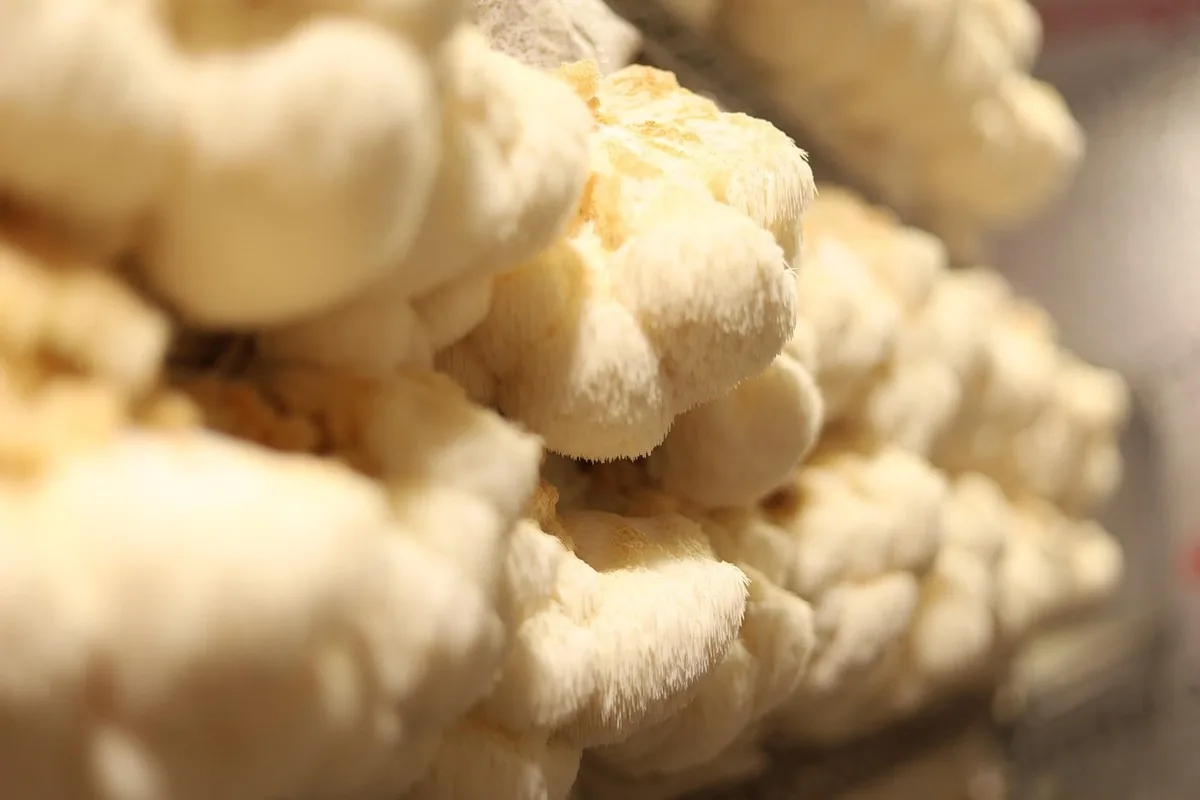
There exists a mushroom like no other. No cap, no well-defined stem: a soft, white mass bristling with long, pendant spines, clinging to the side of an aging beech or a fallen oak. It looks like a frozen waterfall, or a lion’s mane caught in the wood. Its botanical name is Hericium erinaceus, but it is better known simply as lion’s mane.
This name is circulating with growing frequency. In student group chats during exam season, in office conversations about cognitive overload, on forums where people in their thirties describe a concentration that seems to erode day by day — lion’s mane keeps coming up. Our team receives questions about it every week. Is it credible? What does the research actually say? How should it be taken? This article answers all of that, drawing on the available studies and one simple principle: to promise nothing that science does not support.
By Houda Khaldi, Editorial Adviser in Natural Nutrition · Published 17 June 2026 · 18 min read
Contenu de la page
- 1 Key Takeaways
- 2 The Mushroom That Intrigues Science
- 3 What Lion’s Mane Actually Contains
- 4 The Science: What the Studies Actually Say
- 5 Lion’s Mane, Ginkgo, Omega 3, Ginseng: Finding Your Way
- 6 Lion’s Mane and the Moroccan Context: A Real Need
- 7 How to Use Lion’s Mane Properly
- 8 The Alphavital Answer
- 9 Three of Our Readers Share Their Experience
- 10 Lion’s mane benefits: what newer studies measured
- 11 How to take lion’s mane: a simple morning routine
- 12 Planning around exams, busy seasons and Ramadan
- 13 Who should skip lion’s mane, or ask first
- 14 Lion’s mane alone, or as part of a daily trio
- 15 Frequently Asked Questions About Lion’s Mane
- 15.1 What exactly is lion’s mane?
- 15.2 Does lion’s mane genuinely improve memory?
- 15.3 How long does it take to feel the effects?
- 15.4 What is the recommended dosage for lion’s mane capsules?
- 15.5 What are the contraindications for lion’s mane?
- 15.6 Is lion’s mane useful for students and knowledge workers?
- 15.7 Should I choose lion’s mane alone or the complete cognitive programme?
- 15.8 What are the side effects of lion’s mane?
- 15.9 Does lion’s mane work straight away?
- 15.10 Can I take lion’s mane with coffee or tea?
- 16 In Summary
Key Takeaways
- Lion’s mane (Hericium erinaceus) is an edible, well-studied mushroom; the fruiting body is used, rich in compounds known as hericenones and erinacines.
- Research is exploring its role in supporting memory, focus, and nervous system health, in connection with a nerve-cell growth factor called NGF.
- The effects described in studies appear gradually, after several weeks of regular use — not within a few days.
- Quality depends on the purity and consistency of the raw material: not all products labelled “lion’s mane” are equal.
- Alphavital offers a lion’s mane dosed at 500 mg per vegetable capsule, in a clean and traceable formula, as well as a broader cognitive programme for those who want to go further.
The Mushroom That Intrigues Science
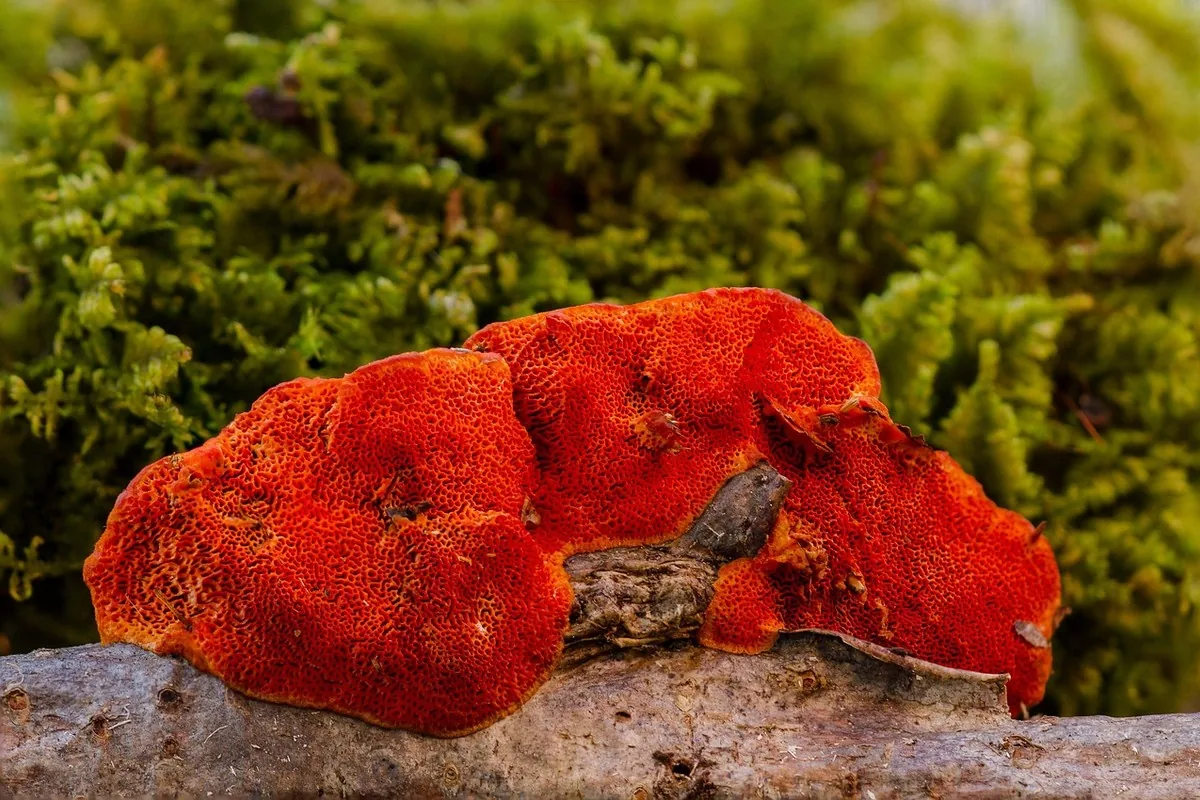
Before becoming a supplement, lion’s mane is first and foremost a curiosity of nature. It grows on the wounded or dead trunks of broadleaf trees in the temperate forests of East Asia, Europe, and North America. It grows slowly as a saprobe, feeding on the wood it decomposes. Its singular form — cascades of soft spines — made it an object of fascination long before any laboratory took an interest.
In East Asian traditions, this mushroom was both a prized food and a reputed remedy. It was credited with sharpening the mind, strengthening the nerves, and sustaining the vitality of those who consumed it regularly. That centuries-old transmission eventually attracted the attention of modern research, which set out to verify what folk wisdom had been claiming for a very long time.
Lion’s mane is not a passing trend. It is an ancient food that is now meeting the rigour of neuroscience research.
This encounter between tradition and science is not isolated. It is part of a broader movement studying foods and plants capable of supporting the body’s equilibrium. Lion’s mane belongs to the family of functional mushrooms — species studied not only for their nutritional value but also for the active compounds they contain. Our team explored a related rationale in our file on ashwagandha, stress and sleep.
Why This Mushroom, and Not Another
A point worth clarifying, because it determines the quality of the finished product. Not all edible mushrooms are alike in their chemistry. What distinguishes lion’s mane is two rare families of molecules: hericenones, present in the fruiting body, and erinacines, concentrated in the mycelium. These are the compounds that hold researchers’ attention, and that make this mushroom a uniquely compelling subject of study.
This distinctiveness also explains why the quality of the raw material is decisive. Between a generic mushroom powder and a product from a controlled culture, the difference does not always show on the label — but it is real. This is precisely the line our team monitors closely during sourcing: lion’s mane deserves the same rigour as the most prized actives in our range.

What Lion’s Mane Actually Contains
Behind the commercial name lies a plant chemistry of remarkable richness. Researchers have isolated several families of molecules in lion’s mane, and these explain its scientific interest. Understanding this composition helps distinguish a good product from a mere powder with no real value.
The most studied molecules are hericenones and erinacines, two families of compounds unique to Hericium erinaceus. Alongside these, the mushroom contains beta-glucans — polysaccharides well known for their role in supporting natural defences — as well as various antioxidants. It is this combination, not any single isolated molecule, that gives lion’s mane its particular profile.
A landmark scientific review examined the bioactive compounds of this mushroom and their potential mechanisms of action on the nervous system. It is accessible via this synthesis on the plant neurotrophins of Hericium erinaceus referenced on PubMed1. The researchers’ message is consistent: the interest of this mushroom depends on the concentration of these molecules, which justifies a rigorous quality approach to the raw material.
The Key Role of NGF
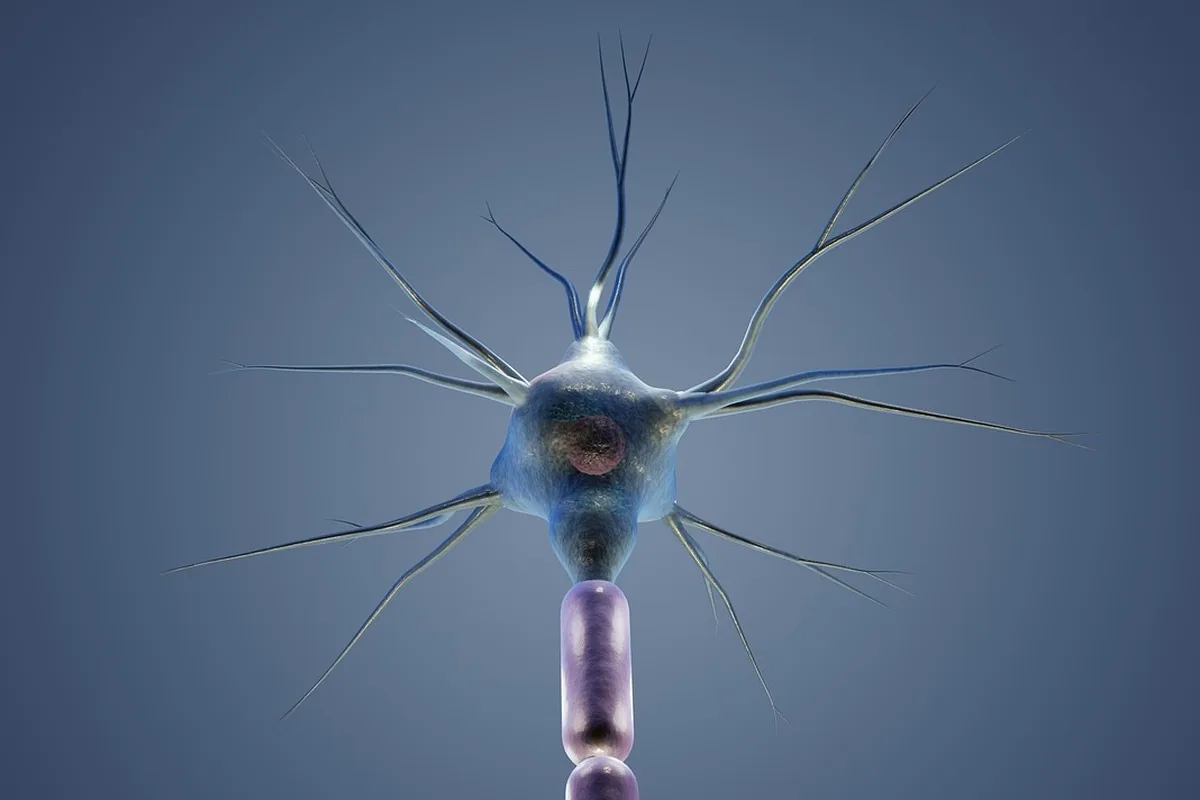
To understand what makes lion’s mane such a studied subject, one must pause on three letters: NGF, for Nerve Growth Factor. This is a protein the body produces naturally, participating in the maintenance, survival, and regeneration of nerve cells. Without it, our neurons age less well.
The observation that captivated researchers is that the hericenones and erinacines in lion’s mane are capable, in experimental models, of stimulating NGF production. This pathway — studied first in the laboratory and then explored in humans — is what places this mushroom at the heart of research on memory and brain health. A landmark review details these neurotrophic mechanisms in this full-text article on PubMed Central2.
This is why our team refuses to reason in milligrams alone. A high dosage of a poor-quality powder is worth less than a controlled dosage of a rich, consistent raw material. The purity and lot-to-lot consistency matter as much as the number on the label. This traceability philosophy is one we apply to every active in our range, as we explained in our guide to plant proteins for athletes.
The Science: What the Studies Actually Say
This is where everything comes down to. The internet is awash with spectacular promises about lion’s mane, sometimes going so far as to imply a single mushroom could transform the brain entirely. Our role is to be honest about what research demonstrates, what it suggests, and what remains uncertain. Here, in plain language, are the areas where the data are most telling.
Memory and Cognitive Function
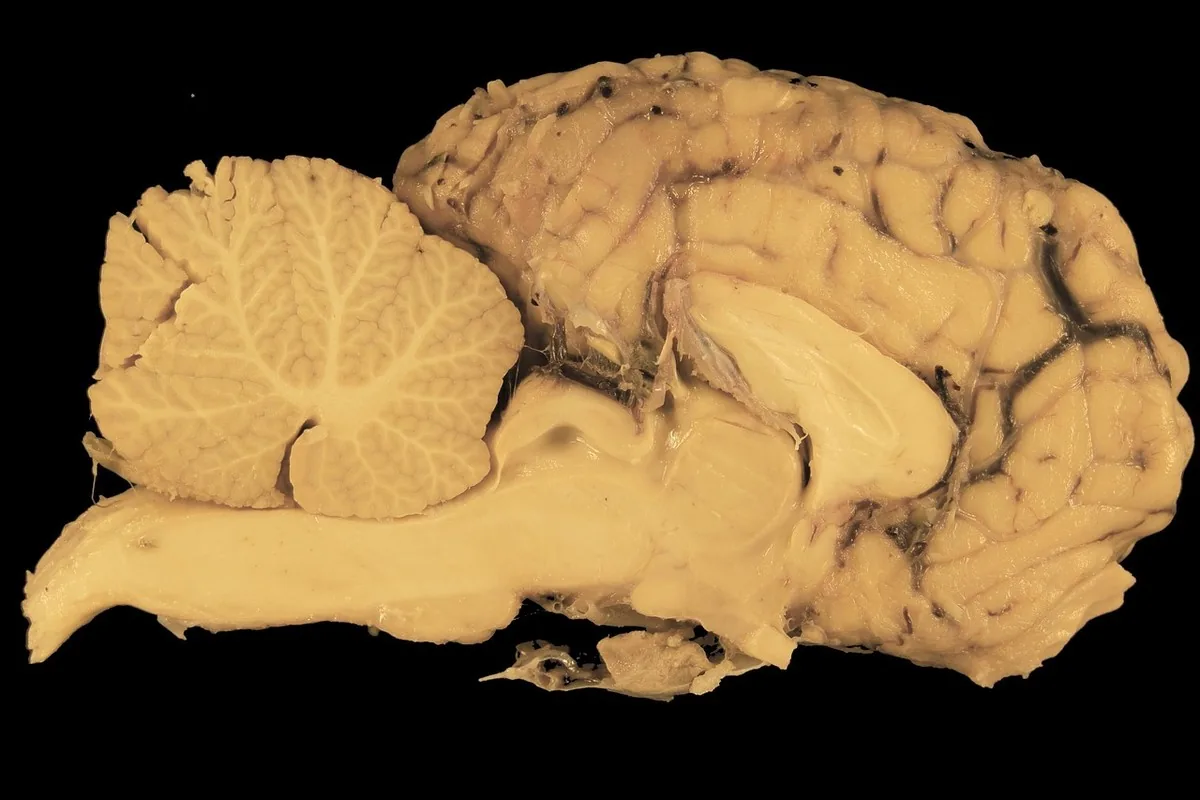
This is the most studied territory, and the one attracting the most attention. Several clinical trials have explored the effect of lion’s mane supplementation on cognitive performance, particularly in older adults experiencing mild, age-related decline. The results described are not a dramatic transformation: they represent a measured support of memory and attention functions, observed after several weeks of supplementation.
A frequently cited Japanese trial followed middle-aged adults with mild cognitive difficulties and reported an improvement in their test scores over weeks of supplementation, followed by a partial reversal upon stopping. This work is available via this clinical study on Hericium erinaceus and cognitive function referenced on PubMed3. One hypothesis advanced by researchers is that the mushroom’s compounds support the maintenance of neural networks, via the NGF pathway discussed above.
Lion’s mane does not “repair” a brain. It is studied as a support for cognitive function, over time, with no promise of a quick result.
This distinction is essential, and it shapes everything we communicate. Supporting memory and concentration is not the same as guaranteeing performance. This is why Alphavital speaks of supporting mental clarity, never promising a specific outcome. That honesty is, in our view, the hallmark of a trustworthy brand.
To visualise these mechanisms, nothing beats a well-crafted explanation. In this video in French, a review of the data examines what research says about lion’s mane as a cognitive support, and the caution that remains warranted.
Mood, Stress and Mental Clarity
Here is a chapter that is often overlooked, yet it may be the most relevant in day-to-day life. Lion’s mane has been studied for its effect on mood and the sense of nervous tension. One study observed, in adults, a decrease in subjective markers of anxiety and irritability after a few weeks of supplementation within a controlled protocol. This study is accessible via this research on Hericium erinaceus, mood and wellbeing referenced on PubMed4.
The link between inner calm and mental clarity is not incidental. A mind saturated with tension struggles to focus: rumination occupies the mental space one would rather devote to work or study. By helping to quiet this background noise, lion’s mane may thus act on two fronts at once — concentration and inner equilibrium. Many people intuitively describe this blend of fatigue and nervousness; research is beginning to map its underlying mechanisms.

Nerves, Fatigue and the Nervous System
Lion’s mane is also studied for its role in the health of the peripheral nervous system, beyond the brain alone. A handful of works, still preliminary, explore its potential interest in supporting nerve fibres and nerve recovery. Results are encouraging but must be treated with caution: sample sizes tend to be small and protocols vary.
What can reasonably be said is that lion’s mane is studied as a possible support for neural vitality, in relation to its action on nerve growth factors. It does not replace rest, an appropriate diet, or stress management. Our team presents it as a complement to a healthy lifestyle, never as a shortcut. For supporting everyday neural energy, B-group vitamins remain equally important, as our B Complex, the fuel for energy and recovery page details.
What Still Awaits Confirmation
Honesty demands stating this clearly. Lion’s mane is also associated with avenues still under exploration: digestive comfort, support of natural defences, certain metabolic markers. These domains are promising, but the research is younger there and the conclusions more cautious. Our editorial line is consistent: we present these topics as fields of study, not commercial promises. A serious mushroom deserves a serious discourse.
Lion’s Mane, Ginkgo, Omega 3, Ginseng: Finding Your Way
Lion’s mane is not alone in the universe of cognitive support. Other plants, mushrooms and nutrients share this territory, and our team is regularly asked about the differences between them. Rather than pitting them against one another, it is more accurate to understand the speciality of each.
| Active | Origin | Primary territory |
|---|---|---|
| Lion’s mane | Mushroom, temperate forests | Memory, nerves, mental clarity |
| Ginkgo biloba | Leaf, ancient tree | Microcirculation, attention |
| Omega 3 (EPA/DHA) | Fish oil | Brain structure, mood |
| Red ginseng | Root, East Asia | Energy, focus, vitality |
Each of these actives has its own history and profile. Red ginseng focuses on energy and mental stamina. Omega 3 supplies the fatty acids that make up a large proportion of the brain. The ginkgo and omega 3 duo supports microcirculation and concentration. Lion’s mane stands apart through its more targeted action on memory and neuronal health.
These actives do not compete with one another. They complement each other, each illuminating a different facet of mental performance.
This logic of complementarity guided our team when it designed a programme dedicated to concentration and memory. The idea was not to pile up promises, but to cover the whole cognitive terrain: memory, attention, microcirculation and essential fatty acid supply. This comprehensive approach extends across our Concentration & Memory category.
Lion’s Mane and the Moroccan Context: A Real Need
Why this growing interest in lion’s mane? The answer lies in several realities of modern life. Screen overload, incessant notifications, the relentless pace of large cities, sleep deprivation, and sometimes an unbalanced diet: all of these weigh on attention and memory, sometimes as early as one’s twenties.
To this is added a cultural and academic dimension. Academic success, competitive entrance exams, and the pressure of intellectual performance occupy a central place in many families. When focus slips during exam season, or when a professional feels their working memory faltering under load, the subject often remains lived in silence. Natural, straightforward solutions that require no prescription speak to this need to recover mental clarity without overstating the drama.
The climate and rhythm of the country also play a role. The intense summer heat, long working days, exhausting commutes between home and office in major cities: all of this drains available mental energy. Ramadan, with its complete overhaul of sleep and meal schedules, puts attention to the test as well. In this context, many are looking for a foundational support — something capable of accompanying these transitions rather than masking fatigue with stimulants. This is the logic within which lion’s mane, as a terrain support rather than a sudden boost, finds its place. Our team often stresses this point: a functional mushroom works over time, helping the body better maintain its neural networks, not pushing it artificially beyond its limits.
A Mushroom — Not a Magic Wand
To be clear on a point our team repeats consistently: lion’s mane is not a medication, and it does not by itself correct a lifestyle that exhausts the brain. A mushroom, however well-studied, does not replace sleep, physical activity, a balanced diet, or regular breaks away from screens. It fits within a whole.
This is, in fact, what the most robust studies show: benefits emerge when supplementation accompanies a healthy lifestyle, not when it claims to compensate for one. Public health resources remind us that a dietary supplement replaces neither a treatment nor a balanced diet, a framework well summarised by the dietary supplements section of MedlinePlus6. Lion’s mane is a support, a foundation — not a quick fix. This nuance makes all the difference between an honest voice and an empty promise.

How to Use Lion’s Mane Properly
A few practical guidelines help avoid the most common mistakes and make the most of a course of supplementation. Proper use matters as much as the product itself.
Lion’s Mane Dosage and Intake
Alphavital lion’s mane comes in vegetable capsules dosed at 500 mg. Alphavital recommends taking 2 capsules a day, in the morning with a meal, with a glass of water, fruit juice or soup. Consistency takes priority above all else: daily repetition over several weeks is what establishes the benefits observed in studies. Many choose to take it at the start of the day, when attention matters most.
How Long Should a Course of Lion’s Mane Last?
The effects described in research most often appear after several weeks of continuous use, generally between four and eight weeks. A typical course therefore runs from two to three months, sometimes longer for ongoing foundational support. Some approaches favour courses with regular breaks, the idea being to preserve the body’s own sensitivity. There is no universal magic duration: listening to one’s body and consulting a health professional remain the best guides.
Lion’s Mane: Contraindications and Precautions
Lion’s mane is generally well tolerated, but certain precautions apply. It is not recommended for pregnant or breastfeeding women or for persons under eighteen years of age. Those following a treatment — particularly antidiabetics or anticoagulants — as well as those with any particular medical condition should seek the advice of a health professional before starting, and should not exceed the recommended dose. The quality of the raw material also matters for safety: health authorities emphasise the importance of reasonable supplement use, as highlighted in the file on food supplements published by EFSA, the European Food Safety Authority5. This caution is not a formality: it is a condition of responsible use.

To complement this reading, this video in French presents lion’s mane (Hericium erinaceus): its origin, its traditional uses, and what research is beginning to establish about its effects.
The Alphavital Answer
Diet, sleep and lifestyle first — always. But when a natural support makes sense, a serious formula is still required. That is exactly the philosophy that guided our team’s work on lion’s mane.
Alphavital Lion’s Mane, Dosed and Traceable
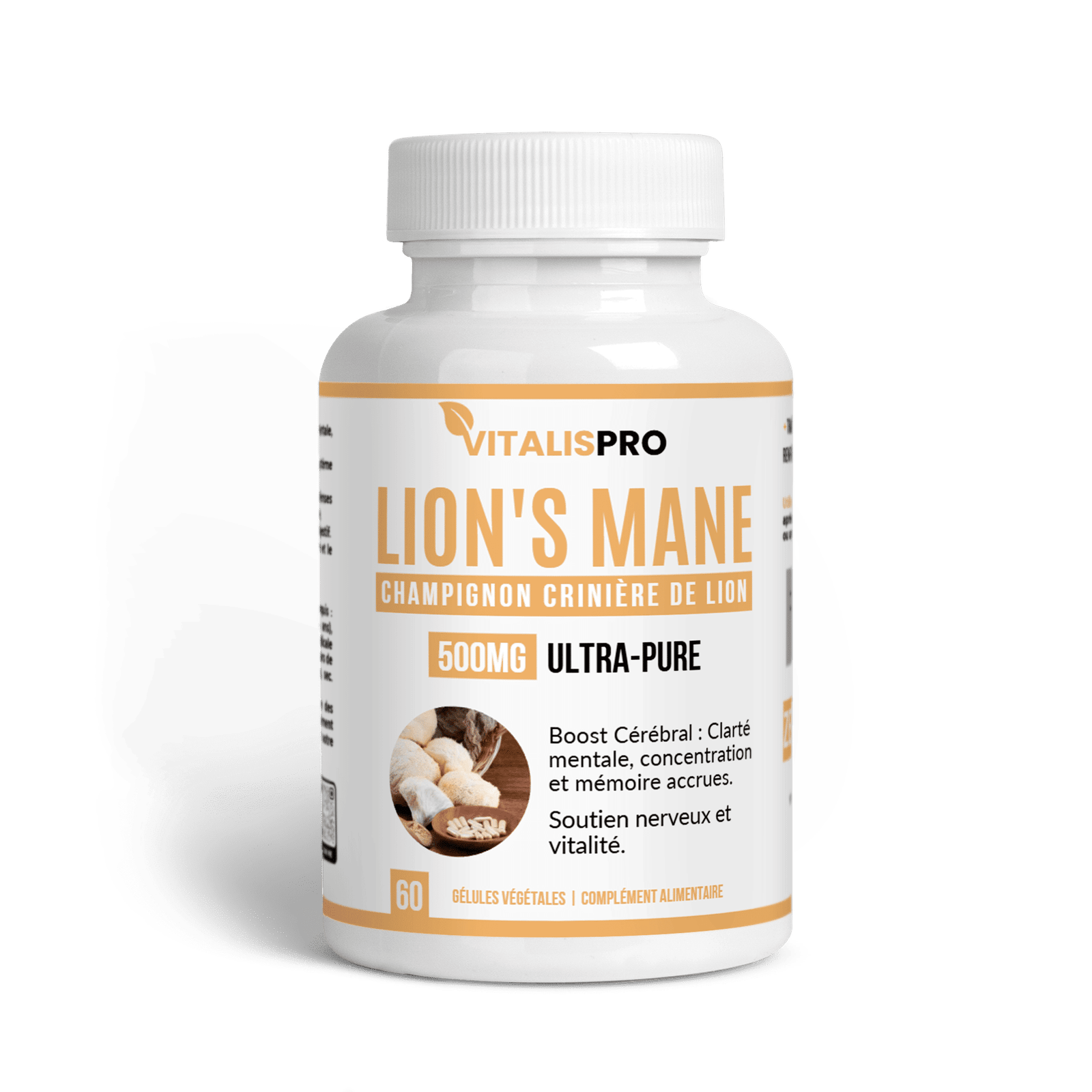
Alphavital offers a lion’s mane dosed at 500 mg per vegetable capsule, sourced from Hericium erinaceus. Three requirements shaped its design: quality raw material, clear and consistent dosage, and a clean formula without superfluous ingredients. The capsule is vegetable, and the formula is designed without gluten, dairy, soy, egg or nuts, to remain accessible to the widest possible audience.
This formula belongs to our Brain Health range, designed as a coherent whole. For those beginning their journey, lion’s mane alone is often the best starting point: it allows you to discover the mushroom, observe your own response, and build on a solid foundation.
A good lion’s mane is not reduced to a number on the label. It brings together quality raw material, a controlled dosage, and an honest formula.
The Cognitive Programme, For Those Who Want More
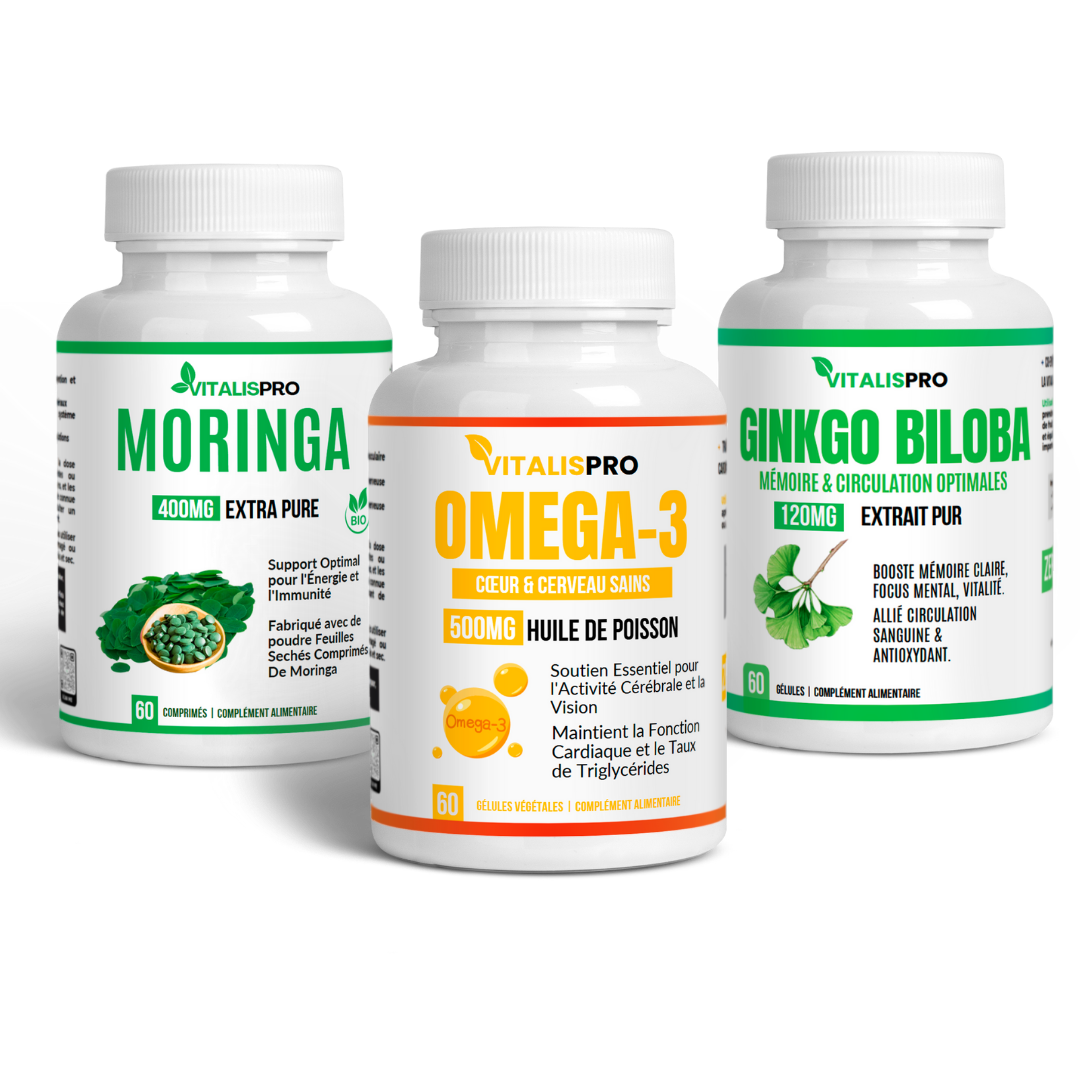
For those aiming for a broader support of memory and concentration, our team also offers a complete cognitive programme combining several actives with complementary actions: omega 3, ginkgo biloba and moringa. The idea is to cover the full terrain of mental performance by bringing together actives that reinforce one another, rather than multiplying them at random.
This programme is aimed at those who are already familiar with these actives and want a structured, coherent, comprehensive approach. It extends naturally from the discovery of lion’s mane alone, within the same quality standards. To explore the full range, our Concentration & Memory category brings together all our natural solutions dedicated to mental clarity.
The feedback our team receives speaks louder than any marketing copy. Here are three testimonials, shared with their authors’ consent.
During exam season I was constantly losing focus, unable to sustain an hour on a single chapter. I did a two-month course of lion’s mane, while also cutting my screen time in the evenings. Without making any effective claims, I found a more stable concentration, especially in the mornings. — Yassine, Rabat
When my forties arrived, I started losing the thread in meetings and forgetting details at work. I incorporated lion’s mane into my routine. What struck me most was a clearer head and less of that background nervousness. Everything else followed. — Salma, Casablanca
Past fifty, I wanted something natural and serious to support my memory. I chose the complete cognitive programme to cover all bases. Three months later, I feel calmer and more present in my conversations. — Abdellatif, Marrakech
These accounts illustrate a simple truth: the most lasting results come from the combination of lifestyle and, when appropriate, a well-chosen supplement. A question before you start? Our team answers directly via the Alphavital contact page.
Lion’s mane benefits: what newer studies measured
The two best-known lion’s mane trials, on memory in older adults and on mood, are described above. Since then, other teams have tested the mushroom in different groups, including healthy young adults. Their results are more mixed, and that is useful to know before you start.
| Study (author, year) | Who, how much, how long | What was found |
|---|---|---|
| Saitsu, 2019 | Adults; supplement made from the fruiting body versus placebo; 12 weeks | One of three memory tests (a short screening test) improved versus placebo. The two other tests did not change.7 |
| Docherty, 2023 | 41 healthy adults aged 18 to 45; 1.8 g a day; single dose, then 28 days | Faster on one attention task 60 minutes after the first dose. A trend toward less stress at 28 days, not significant. Some results were neutral.8 |
| Surendran, 2025 | 18 healthy adults aged 18 to 35; one dose of fruiting-body extract; tested 90 minutes later | No overall change in thinking or mood versus placebo. Only one hand-skill test improved.9 |
What this does not show. These trials are small, and they used different forms and amounts of lion’s mane, so their results cannot simply be added together. The clearest signals come from regular use over several weeks, not from a single dose. In young, healthy people, a one-off capsule did very little in controlled tests. No study shows that lion’s mane can replace sleep, revision time or a good diet. The fair conclusion is that lion’s mane is a promising daily support for focus and memory, still being studied, and best judged over two to three months.
How to take lion’s mane: a simple morning routine
Alphavital’s advice for Alphavital Lion’s Mane is two capsules a day, in the morning, with a meal and a large glass of water. Morning suits the way most people use it: to support focus during the working or study day. Taking both capsules at breakfast also makes the habit easy to keep, which matters more than anything else with a slow-acting mushroom.
- Days 1 to 14: build the habit. Most people notice nothing special at this stage, and that is normal.
- Weeks 3 to 8: some people describe a steadier morning focus or feeling less scattered at the end of the day. Keep a short note of how your concentration feels each week, so you compare facts, not impressions.
- Weeks 8 to 12: the moment to judge fairly. The trials that found changes in memory scores ran for 12 to 16 weeks. Decide then whether to continue.
Planning around exams, busy seasons and Ramadan
Because lion’s mane works over weeks, timing your course matters more than the dose. Here is how people with very different schedules can plan it.
- Students before exams: start two to three months before the exam period, not the week before. A capsule the night before a test is not what the studies looked at.
- Busy professionals and parents: begin at the start of a heavy period, such as a project launch or the return to school, and judge at the end of it.
- Older adults: keep the routine steady over the long term, alongside daily walks, reading, conversation and good sleep, which all keep the mind active.
- During Ramadan: take both capsules with suhoor, so they come with food before the day starts.
Whatever your schedule, sleep stays the base. A short night leaves the mind slower and more scattered the next day, whatever you take. Lion’s mane is a support on top of good habits, not a replacement for them.
Who should skip lion’s mane, or ask first
- People allergic to mushrooms. Lion’s mane is an edible mushroom, so an allergy to mushrooms is a reason not to start.
One more point concerns expectations rather than safety. Forgetfulness that is new, that worsens over a few months, or that worries the people around you deserves a medical check first. Thyroid problems, low vitamin B12, poor sleep, some medicines and low mood can all affect memory, and each one has its own answer. A supplement should come after that check, not instead of it.
Lion’s mane alone, or as part of a daily trio
Lion’s mane alone is the simplest way to see how you respond. Some people want a wider daily routine for busy periods. The Reishi, Lion’s Mane & Spirulina pack brings three ingredients that each cover a different part of the day: spirulina, an algae rich in protein and iron, for full days that leave little time to eat well; lion’s mane in the morning for focus; and reishi, a mushroom traditionally used for calm and balance. Each one keeps its own dose: two lion’s mane capsules in the morning, three to four reishi capsules and two to six spirulina tablets a day, with meals. These functional mushrooms and algae belong to our Longevity & Antioxidants range.
If your interest is memory together with circulation, our guide to ginkgo biloba for memory and circulation covers that leaf extract, its evidence and its precautions.
Frequently Asked Questions About Lion’s Mane
What exactly is lion’s mane?
Lion’s mane is an edible, well-studied mushroom, with the botanical name Hericium erinaceus, recognisable by its long white fringes. It concentrates active compounds such as hericenones and erinacines, along with beta-glucans. Traditionally used in East Asia to support the mind and nerves, it is today studied by researchers for its role in memory, concentration and nervous system health.
Does lion’s mane genuinely improve memory?
Several clinical trials associate lion’s mane supplementation with support for memory and attention functions, especially in adults experiencing mild age-related decline. The effect described is not a spectacular transformation, but a measured support that emerges with regularity. The mushroom’s compounds are thought to support the maintenance of neural networks, via the nerve growth factor (NGF) pathway.
How long does it take to feel the effects?
The benefits observed in research most often appear after four to eight weeks of regular use. Experience and results associated with lion’s mane converge on this point: it does not act in a matter of days — it is a foundational course. Daily consistency is decisive, and a duration of two to three months is generally recommended in order to assess one’s own response.
What is the recommended dosage for lion’s mane capsules?
Alphavital recommends 2 capsules a day, in the morning with a meal, with a glass of water, fruit juice or soup. This approach prioritises regularity over quantity. A typical course runs over several weeks, giving benefits the time to establish themselves.
What are the contraindications for lion’s mane?
Lion’s mane is generally well tolerated, but it is not recommended for pregnant or breastfeeding women or for those under eighteen years of age. If you are following a course of treatment — particularly antidiabetics or anticoagulants — or have any particular medical condition, advice from a health professional is essential before starting, and the recommended dose should not be exceeded. A supplement never replaces medical monitoring.
Is lion’s mane useful for students and knowledge workers?
Lion’s mane is studied as a support for concentration and mental clarity — two assets of particular value during exam season or periods of intense cognitive demand. It works over time, accompanying a healthy lifestyle: sufficient sleep, breaks away from screens, and a balanced diet. It complements these foundations — it never replaces them.
Should I choose lion’s mane alone or the complete cognitive programme?
Lion’s mane alone is often the best starting point for discovering the mushroom and observing your own response. The complete cognitive programme, which combines omega 3, ginkgo biloba and moringa, is aimed at those seeking a broader support for memory and concentration. Both share the same rigorous quality standards.
What are the side effects of lion’s mane?
Lion’s mane is an edible mushroom and is generally well tolerated. Some people feel mild, temporary digestive discomfort at the start of a course. Taking the capsules with a meal helps. Stop and seek advice if you notice itching, a rash or breathing discomfort, which can signal a mushroom allergy.
Does lion’s mane work straight away?
Not in a way you should count on. One small study saw a faster reaction on one attention test an hour after the first dose, but another found no overall change after a single dose. The memory results come from regular use over 12 to 16 weeks.
Can I take lion’s mane with coffee or tea?
No study has looked at lion’s mane together with coffee or mint tea. You can take the capsules with your usual breakfast. If you feel jittery or sleep badly, look first at how much coffee and strong tea you drink later in the day.
In Summary
Lion’s mane is a singular mushroom whose value modern science is gradually uncovering: support for memory and concentration, action on nervous system health via the nerve growth factor, and easing of mental tension. The benefits are real but gradual; they concern primarily those whose attention is declining, and they express themselves fully within the framework of a healthy lifestyle.
Quality makes all the difference. A quality raw material, a controlled dosage, and an honest formula separate a good lion’s mane from a mere powder. That is the path Alphavital has chosen, with an approach that is transparent and faithful to the science. Taking care of one’s memory and concentration is not about following a trend: it is a deep investment in one’s mental vitality.
About the author. Houda Khaldi is Editorial Adviser in Natural Nutrition at Alphavital. She translates scientific research into clear, actionable insights for everyday life.
Disclaimer. The information presented is provided for general guidance, based on sourced research (PubMed, EFSA, WHO, NIH). The Alphavital team does not consist of healthcare professionals. Please consult a qualified health professional before any use, if you are following a treatment, if you are pregnant or breastfeeding, or if you have a medical condition. Dietary supplements are not a substitute for a varied and balanced diet or a healthy lifestyle.
Sources and References
- Lai PL, et al. Neurotrophic properties of the Lion’s mane medicinal mushroom, Hericium erinaceus (Higher Basidiomycetes) from Malaysia. Int J Med Mushrooms. 2013;15(6):539-54. PubMed
- Szućko-Kociuba I, et al. Neurotrophic and Neuroprotective Effects of Hericium erinaceus. Int J Mol Sci. 2023;24(21). PubMed
- Mori K. et al. — Improving effects of the mushroom Yamabushitake (Hericium erinaceus) on mild cognitive impairment, randomised double-blind placebo-controlled clinical trial. PubMed
- Nagano M. et al. — Reduction of depression and anxiety by 4 weeks Hericium erinaceus intake, study on mood and wellbeing. PubMed
- Food supplements: regulatory framework and safety guidelines. EFSA — European Food Safety Authority
- Dietary supplements: public health guidelines. MedlinePlus (National Library of Medicine)
- Saitsu Y, Nishide A, Kikushima K, Shimizu K, Ohnuki K. Improvement of cognitive functions by oral intake of Hericium erinaceus. Biomed Res. 2019;40(4):125-131. PubMed 31413233
- Docherty S, Doughty FL, Smith EF. The Acute and Chronic Effects of Lion’s Mane Mushroom Supplementation on Cognitive Function, Stress and Mood in Young Adults: A Double-Blind, Parallel Groups, Pilot Study. Nutrients. 2023;15(22):4842. PubMed 38004235
- Surendran G, Saye J, Binti Mohd Jalil S, et al. Acute effects of a standardised extract of Hericium erinaceus (Lion’s Mane mushroom) on cognition and mood in healthy younger adults: a double-blind randomised placebo-controlled study. Front Nutr. 2025;12:1405796. PubMed 40276537
Food supplements do not replace a varied, balanced diet or a healthy lifestyle. The Alphavital team is not made up of healthcare professionals. Consult a qualified healthcare professional before use.