


About 100 trillion bacteria live in our digestive tract. When properly nourished, they become the best allies for digestion and immunity. Here is how beneficial bacteria (probiotics) and the gut microbiome work in your favour — and how Alphavital helps maintain that balance, day after day.
There is something genuinely astonishing about this once you grasp it. Living inside your digestive tract are microorganisms that outnumber the cells of your entire body by a factor of ten. This ecosystem has a name: the gut microbiome. Long overlooked by medicine, it is now one of the most active research fields in the world — and it is reshaping our understanding of digestion, immunity, and overall wellbeing.
For many people, this topic resonates on a very practical level. Post-meal bloating, digestive disruption during Ramadan, the intestinal discomfort that comes with the pressures of a demanding daily life: these are common experiences. Our nutrition team hears about them every week, and interest in probiotics continues to grow alongside the science. The good news is that research now offers clear answers and simple steps to help you take back control.
By Houda Khaldi, Editorial Nutrition Advisor at Alphavital · Published 17 June 2026 · 17-minute read
Contenu de la page
- 1 Key Takeaways
- 2 The Gut Microbiome: Rediscovering a Hidden Organ
- 3 Probiotics and Prebiotics: A Clear Distinction
- 4 The Science: What Studies Actually Show
- 5 Why Modern Lifestyles Deplete Gut Flora
- 6 Feeding Your Gut Flora From Your Plate
- 7 Ramadan, Travel, and the Seasons: Moments When Gut Flora Is Most Vulnerable
- 8 When a Probiotic Supplement Makes Sense
- 9 Getting the Most From Probiotics: A Practical Guide
- 10 Three Readers Share Their Experience
- 11 Frequently Asked Questions About Probiotics and the Microbiome
- 11.1 What is the difference between probiotics and prebiotics?
- 11.2 How many live cultures should a probiotic supplement contain?
- 11.3 Can probiotics be taken during antibiotic treatment?
- 11.4 When do the first effects of a course appear?
- 11.5 Do probiotics support immunity?
- 11.6 What time of day should probiotics be taken?
- 11.7 Are there any contraindications?
- 12 Conclusion
Key Takeaways
- The gut microbiome harbours tens of trillions of microorganisms that participate in digestion, the synthesis of certain vitamins, and the training of the immune system.
- Probiotics are live microorganisms that confer a health benefit on the host when consumed in adequate amounts. Prebiotics are the fibres that feed them.
- Around 70% of immune cells are located at the gut level — which explains the close connection between beneficial gut bacteria and our natural defences.
- Traditional Moroccan cuisine, rich in fermented foods and fibre, is a natural asset for gut bacteria. Modern lifestyles, however, tend to deplete it.
- Alphavital has formulated a combination of 10 billion live cultures, prebiotics, and vitamins C and D3 as comprehensive daily support for digestive and immune balance.
The Gut Microbiome: Rediscovering a Hidden Organ
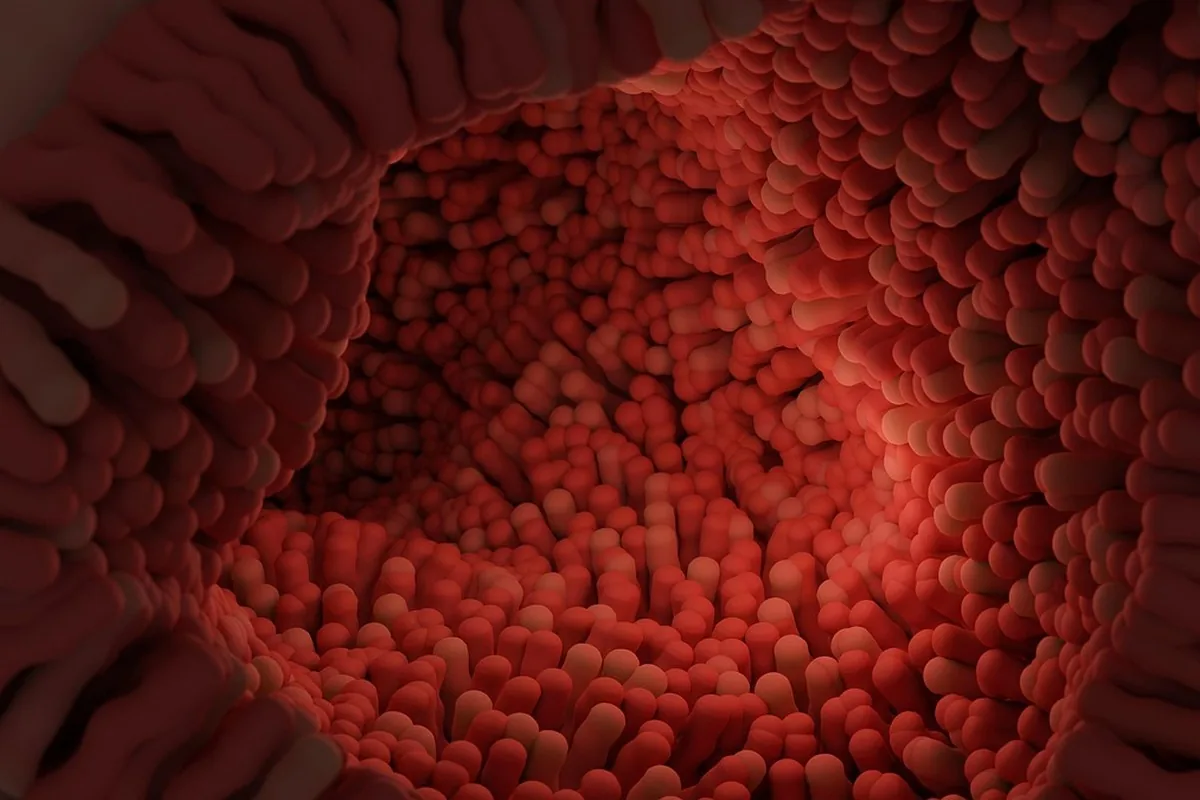
Imagine a vast hidden city settled in your intestines. Hundreds of bacterial species coexist there, each with its own function. Some digest the fibres that our bodies cannot break down alone. Others manufacture vitamins — vitamin K, several B vitamins. Still others stand guard against harmful bacteria.
Researchers now describe the microbiome as an organ in its own right. It weighs around two kilograms — roughly the same as the liver. And like any organ, it can be healthy or dysfunctional. When the balance breaks down, we speak of dysbiosis: an impoverishment or disruption of the microbiome that is frequently associated with digestive complaints and a weakened immune system.
The microbiome is not merely a passive passenger. It is a metabolic partner present from the very first hours of life, in constant dialogue with our bodies.
To picture this ecosystem, nothing beats a visual explanation. In this short educational video, France’s National Institute of Health and Medical Research (Inserm) explains in plain language what the gut microbiome is and the role it plays in our daily lives.
How Our Gut Bacteria Form
Everything begins at birth. The mode of delivery, breastfeeding, and the gradual introduction of solid foods all contribute to a unique microbial composition — as individual as a fingerprint. By around age three, the microbiome closely resembles that of an adult. It then continues to evolve in response to diet, medication, stress, and environment.
This is precisely where our margin for action lies. We did not choose our gut bacteria in childhood, but we influence them every day. Every meal is, in essence, a message sent to those billions of inhabitants. A fibre-rich dish nourishes them; an excess of ultra-processed food starves them.
Diversity: The True Marker of a Healthy Gut
Research converges on one point: richness matters above all else. A diverse microbiome — one that hosts many different species — is more resilient. It handles challenges better, whether a passing infection or a course of antibiotics. By contrast, an impoverished flora dominated by a handful of species appears more fragile.
Work published in recent years establishes a consistent link between microbiome diversity and diet. A landmark review confirms that the variety of plant foods consumed is one of the best predictors of bacterial richness, as detailed in this reference analysis on diet and the microbiome available on PubMed5. In short: the more colourful and varied your plate, the more diverse your gut flora.
Probiotics and Prebiotics: A Clear Distinction
The two words sound similar, but they refer to two distinct, complementary realities. The confusion is common — even in the messages our team receives. Let us set the record straight once and for all.
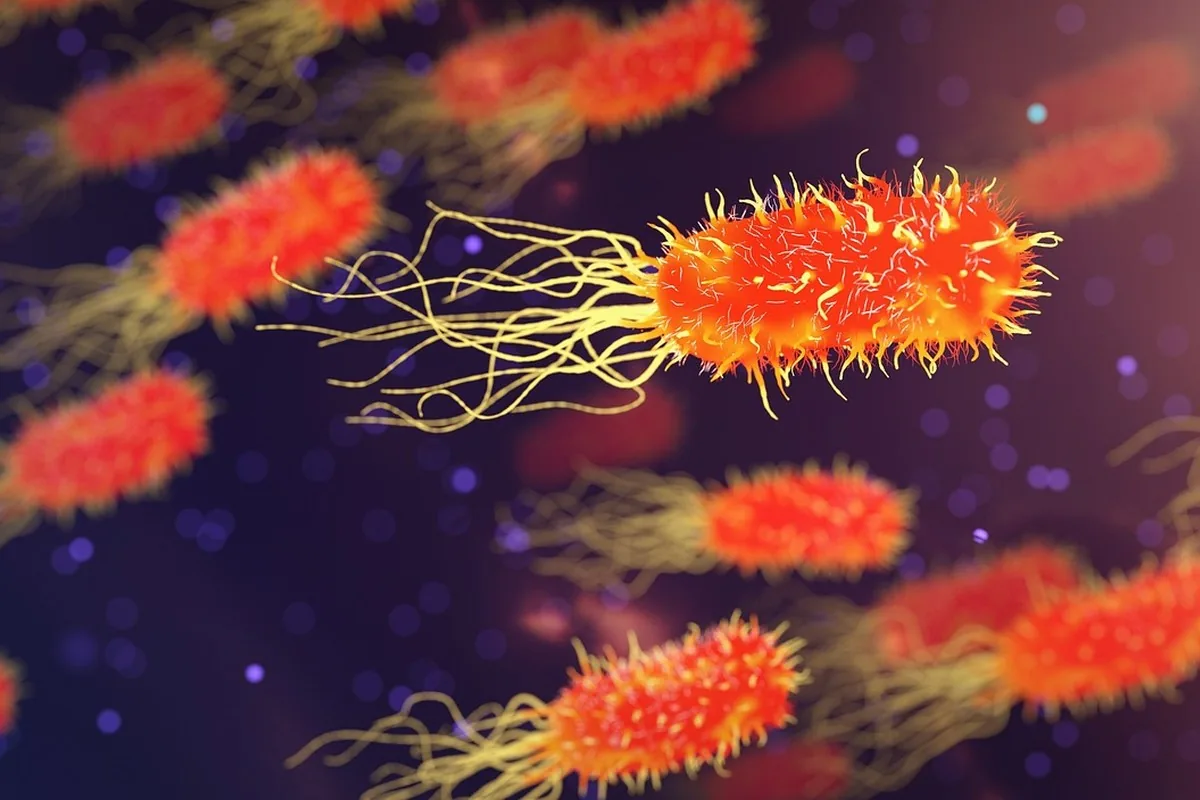
Probiotics are live microorganisms. The official definition, established by an international expert consensus, is precise: they are microorganisms that, when administered in adequate amounts, confer a health benefit on the host. This definition is the benchmark that regulates the entire field, as explained in the expert consensus published on PubMed1. Two families dominate supplements: lactobacilli and bifidobacteria.
Prebiotics, on the other hand, are not alive. They are specific fibres that our intestines do not digest but that nourish the beneficial bacteria. Among them: inulin, fructo-oligosaccharides (FOS), and resistant starch. Here too, expert consensus has established the modern definition, detailed in this clarification on prebiotics available on PubMed2.
Probiotics bring the beneficial bacteria. Prebiotics feed them. It is this pairing — not either one alone — that best maintains microbiome balance.
The garden metaphor is the most useful one. Probiotics are the seeds you sow. Prebiotics are the compost that helps them take root. Planting without feeding produces little. That is why Alphavital chose to combine both in a single formula rather than offer them separately.
What About Postbiotics?
The vocabulary is expanding quickly. For several years we have been hearing about postbiotics. These are the beneficial compounds produced by bacteria as they ferment fibres. The best-known are short-chain fatty acids, including butyrate — the primary fuel for the cells lining the colon. These compounds partly explain why fibres have their protective effects. There is no need to memorise every name: the key takeaway is that everything starts with what we put on our plate.
The Science: What Studies Actually Show
The internet is full of promises about probiotics. Our role is to be honest about what research actually demonstrates — and what remains under investigation. Here, in plain language, are the areas where the evidence is most robust.
Digestion and Gut Comfort
This is the most thoroughly documented area. Several scientific summaries report that certain probiotic strains are associated with improved digestive comfort and more regular bowel transit. Benefits are strain-specific: not all bacteria are equal, and each has its own domain. This principle of the specific strain is one of the key lessons of twenty years of research.
In practice, it is not enough for a product to say it contains lactobacilli, just as it is not enough for a medicine to mention a molecule without specifying which one. Within the two major families — lactobacilli and bifidobacteria — there are many species, and within each species, different strains. That is why our team insists on two points: the culture count must be clearly stated and guaranteed through to the end of shelf life, and the formula must be built on identified, traceable strains — not vague promises. Batch-by-batch traceability is not a technical detail: it is the hallmark of a supplement worth trusting.
Antibiotics: A Well-Established Case
This is among the most solid findings in the field. Antibiotics save lives, but they are non-selective: in eliminating harmful bacteria, they also destroy the beneficial ones. One frequent consequence is antibiotic-associated diarrhoea. A large-scale meta-analysis pooling dozens of clinical trials found that taking probiotics during antibiotic treatment is associated with a reduced risk of this type of diarrhoea. This work, published in a major medical journal, is the reference in the field and remains accessible via this landmark meta-analysis on PubMed3.
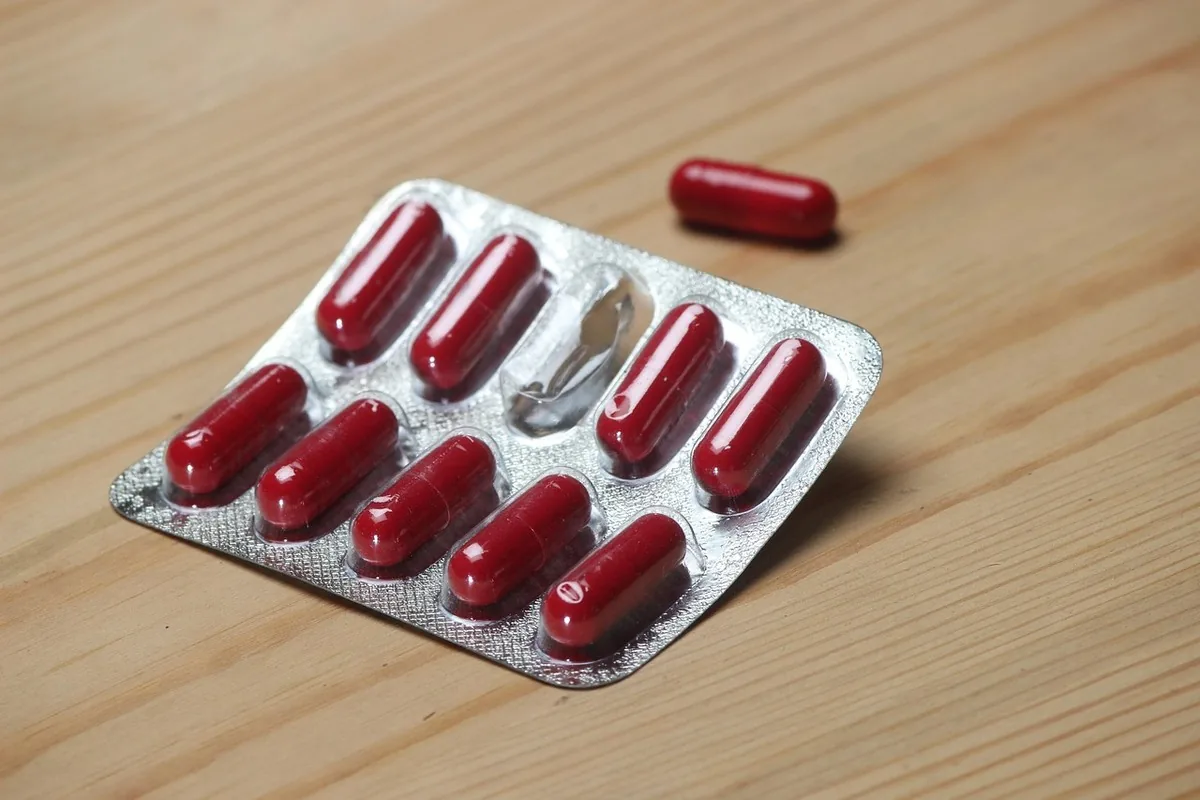
A rule our team always reminds people of: when on antibiotics, the healthcare professional who prescribed the medication always guides next steps. Supplements are never intended to replace medication.
The Gut–Immunity Conversation
This is, without doubt, the most exciting chapter. The gut wall is not merely a tube. It is a major immunological interface — one of the body’s most important surveillance centres. It is estimated that a very large proportion of immune cells are concentrated around the intestines.4
The microbiome plays the role of educator. It teaches the immune system to distinguish between what is harmless and what is threatening. A balanced gut flora thus contributes to a better-regulated immune response. Several scientific reviews detail these mechanisms, such as this reference summary on the microbiome and immunity on PubMed, and this full-text review available on PubMed Central4.

Around 70% of immune cells are located at the gut level. Caring for your gut flora means caring for your natural defences.
This connection explains why an impoverished microbiome may be associated with less efficient immunity — and why maintaining gut flora is part of a deep strategy, not merely a matter of digestive comfort. At a global level, the stakes extend beyond the individual: preserving our gut flora is linked to tackling antibiotic resistance, a major public health challenge described by the World Health Organisation7.
We should also mention the much-discussed intestinal barrier. The gut wall is no more than a single layer of cells thick, arranged like stones in a wall. This barrier allows nutrients to pass through while blocking what is unwanted. A balanced microbiome helps keep this wall tight and solid. Conversely, an impoverished gut flora may weaken these boundaries, fuelling a state of low-grade inflammation. This is why many specialists consider the gut the starting point for broader wellbeing — far beyond digestion alone.
The Gut–Brain Axis: A Fascinating Pathway
An area that is capturing increasing scientific attention is the dialogue between the gut and the brain. The two are in constant communication — via the nervous system and via chemical messengers. A large share of the body’s serotonin, the neurotransmitter associated with mood, is in fact produced in the gut. The microbiome participates in this delicate chemistry.
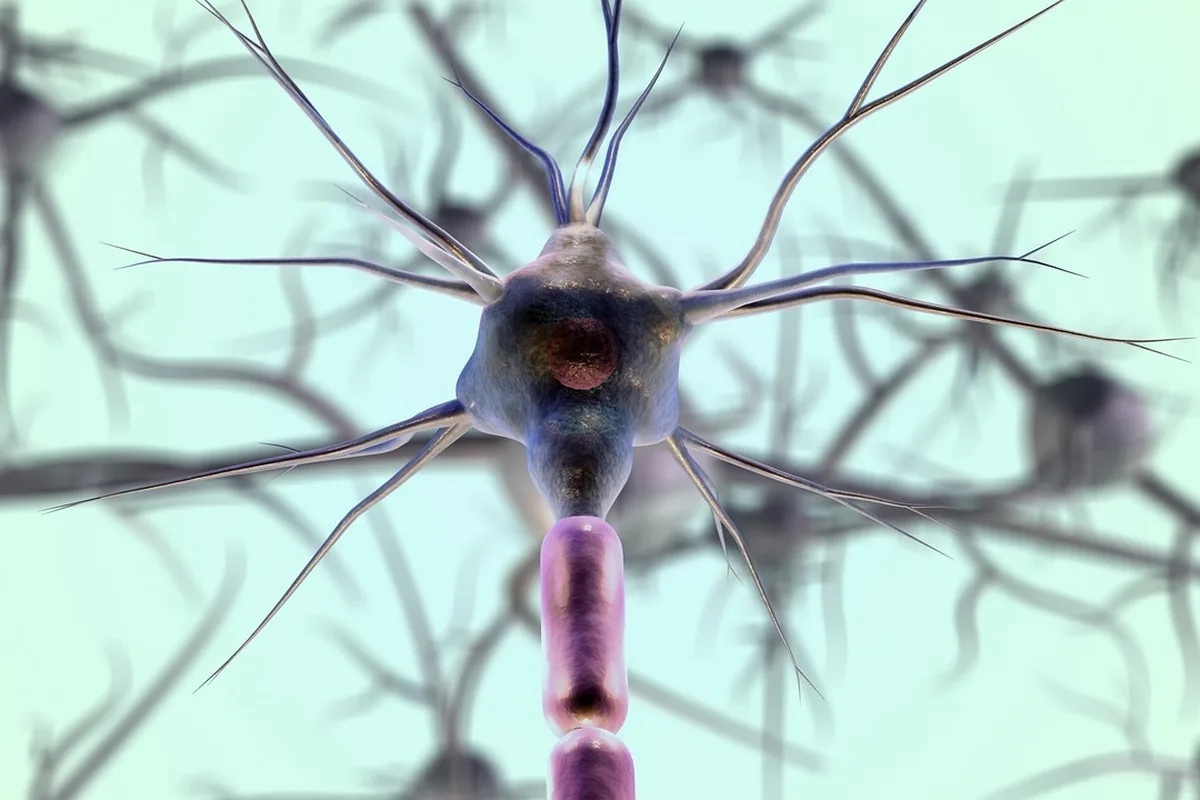
None of this justifies premature promises: research into so-called psychobiotics is still in its early stages, and results vary by strain and population studied. Yet the overall picture is compelling. Many people instinctively describe a connection between their emotional state and their digestion. Science is now beginning to map the mechanisms. Our team follows this field closely — without ever presenting it as settled fact.
Inserm dedicates a video to that popular idea of a “second brain,” drawing the line between what science has demonstrated and what remains hypothetical.
What Still Needs Confirmation
Honesty requires saying this clearly. The microbiome is also linked to many areas still under active investigation: metabolism, weight regulation, skin quality, blood sugar balance. The pathways are interesting, but the research is more recent and the conclusions more cautious. Our editorial position is clear: we present these topics as promising areas of study — not as commercial promises. That restraint, in our view, is the mark of a brand worth trusting.
Why Modern Lifestyles Deplete Gut Flora
There is a real paradox here. Traditional cuisine, in many respects, is microbiome-friendly. Modern lifestyles, on the other hand, frequently work against it. Understanding these factors helps you correct course.
| Factor | Effect on gut flora | A helpful step |
|---|---|---|
| Ultra-processed foods | Impoverishes diversity | Return to home cooking |
| Low fibre intake | Starves beneficial bacteria | Vegetables, pulses, fruit |
| Chronic stress | Disrupts gut balance | Sleep, breathing, breaks |
| Repeated antibiotics | Reduces beneficial flora | Use under professional supervision |
| Physical inactivity | Associated with less diverse flora | Daily walking |
Stress deserves special mention. The gut is sometimes called our “second brain” — such is the intensity of the exchange between the two. A stressful day is very often felt in the gut. The loop is real: stress disrupts the microbiome, and a disrupted gut feeds discomfort. Working on one helps the other. To explore this further, our team has compiled the key principles in our guide on managing stress and sleep naturally.
Feeding Your Gut Flora From Your Plate
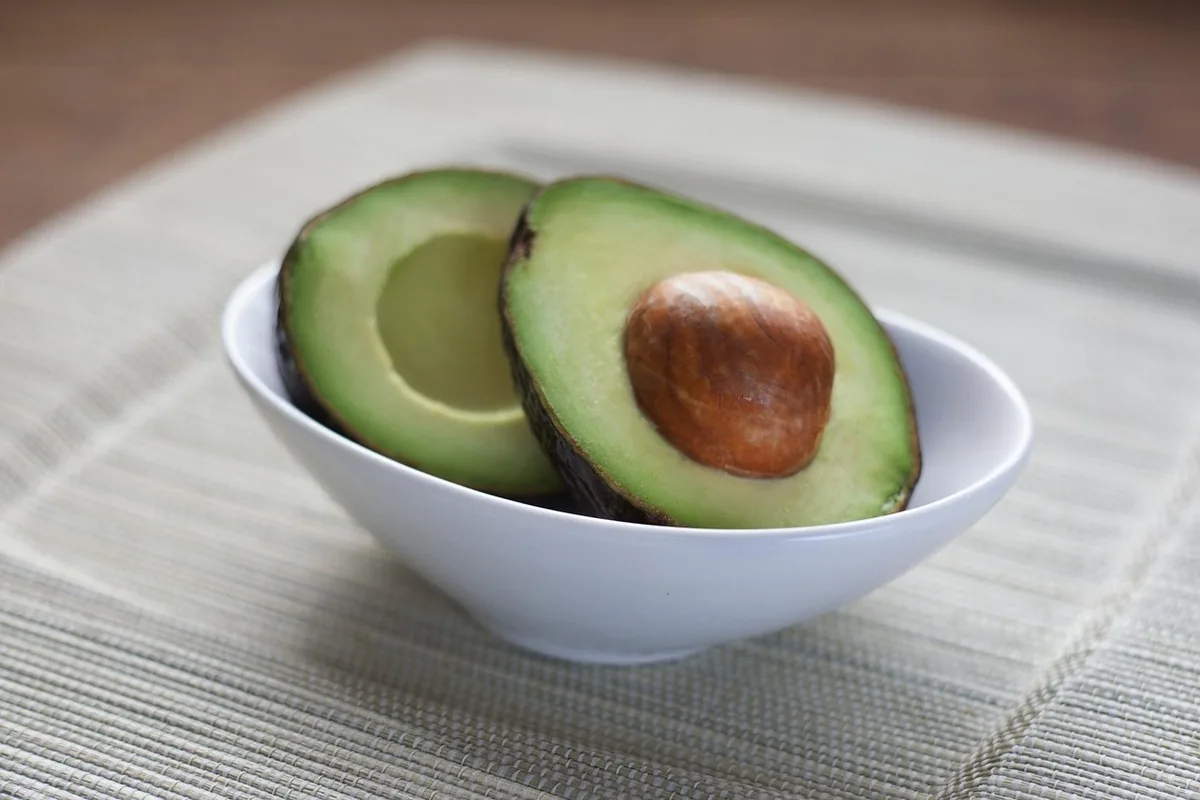
Before any supplement, there is the table. And traditional cuisine offers a remarkably fertile starting point — provided we bring certain habits back to the fore.

Fermented Foods: A Heritage Treasure
Long before anyone spoke of probiotics, our grandmothers were already fermenting. Lben — the fermented milk that accompanies many meals — is the most obvious example. Olives cured in brine, preserved lemons, and certain traditional fresh cheeses also provide live cultures. Plain natural yoghurt, simple and readily available, remains a reliable staple.
These foods carry a dual virtue: they are part of our culinary culture, and they nourish the gut flora. Bringing them back is not a matter of following a trend — it is reconnecting with an inherited know-how.

Prebiotic Fibres in Everyday Cooking
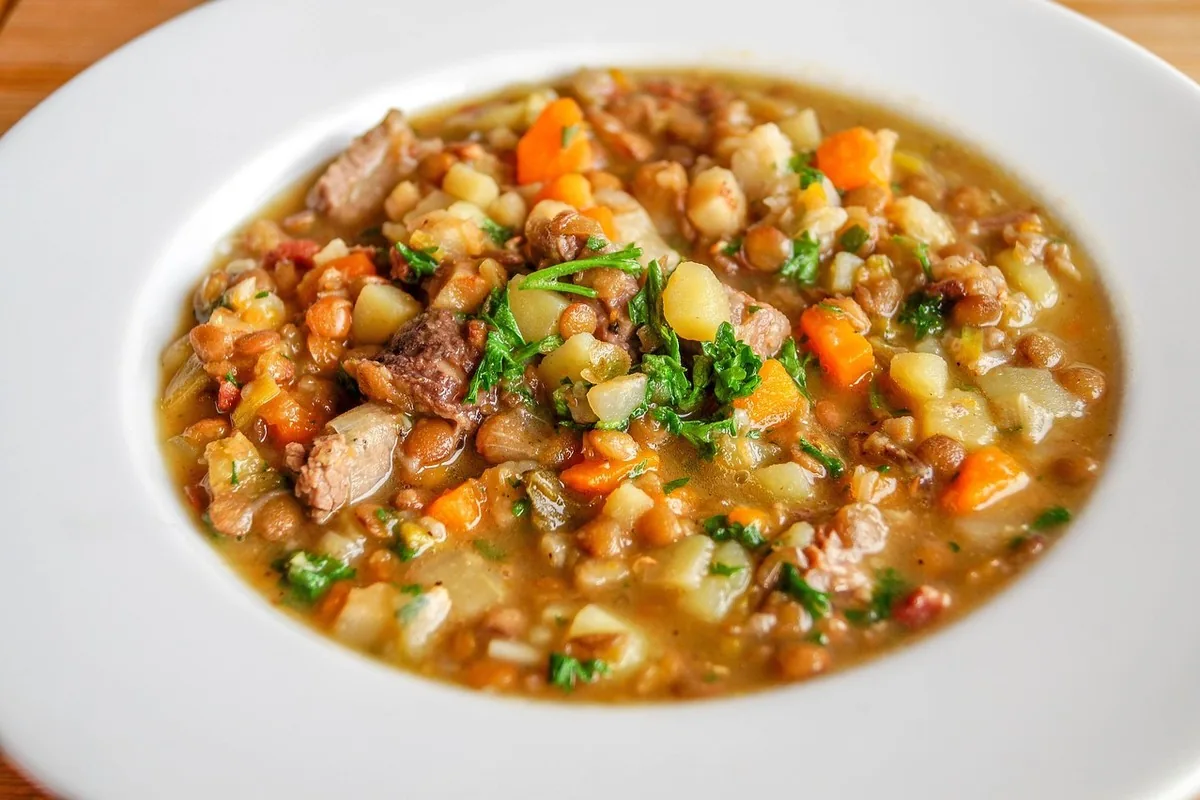
Without fibres, even the best live cultures spin their wheels. Fortunately, traditional pantries are rich in them. Garlic and onion — the base of most traditional dishes — are naturally high in prebiotics. Pulses such as lentils, chickpeas, and broad beans are excellent sources. Add wholegrains, fruit, and a wide range of vegetables, and gut flora has all it needs.
| Category | Examples | Contribution |
|---|---|---|
| Fermented foods | Lben, olives, yoghurt | Live cultures |
| Pulses | Lentils, chickpeas | Prebiotic fibre |
| Aromatics | Garlic, onion | Natural prebiotics |
| Beverages | Mint tea (atay) | Polyphenols |
There is one final, understated ally: polyphenols. These plant compounds — found in tea, aromatic herbs, colourful fruits, and olive oil — are partially metabolised by the microbiome and contribute to its balance. The mint tea shared with family is not just a social ritual, then.

Ramadan, Travel, and the Seasons: Moments When Gut Flora Is Most Vulnerable
The microbiome dislikes sudden upheaval. Our calendar holds several of these moments — better to anticipate them than simply endure them.
Ramadan: A Transition That Needs Support
During Ramadan, the entire digestive clock is restructured. Meals are concentrated into a few hours, often rich and heavy at Iftar. The gut flora, accustomed to a regular rhythm, must adapt. Many people experience bloating or changes in transit, particularly during the first few days.
A few principles help considerably. Favouring gut-friendly foods at Iftar — traditional harira, rich in pulses and fibre, rather than a succession of fried dishes. Reintroducing fermented dairy such as lben. Drinking enough between Iftar and Suhoor. And avoiding turning every evening into an endless feast that the microbiome struggles to process. These simple adjustments often make all the difference in digestive comfort throughout the month.
Seasonal Changes and Travel
Autumn and the transition to winter put our defences under pressure. This is a period when maintaining gut flora takes on its full meaning, alongside the basics of sleep and a varied diet. Travel, meanwhile, exposes us to new bacteria and different water; a robust microbiome handles these novelties better. Anticipating these windows means approaching winter and time away with a stronger foundation.
When a Probiotic Supplement Makes Sense
The plate always comes first. But there are circumstances where a well-formulated supplement provides a worthwhile boost: after a difficult digestive episode, at a change of season, during a period of intense stress, or simply as regular ongoing support for gut balance.
The condition is a serious formula. Three criteria make the difference: a clearly stated and adequate culture count, the presence of prebiotics to feed them, and genuine batch-by-batch traceability. These are precisely the principles that guided our team’s work.
Alphavital’s Answer
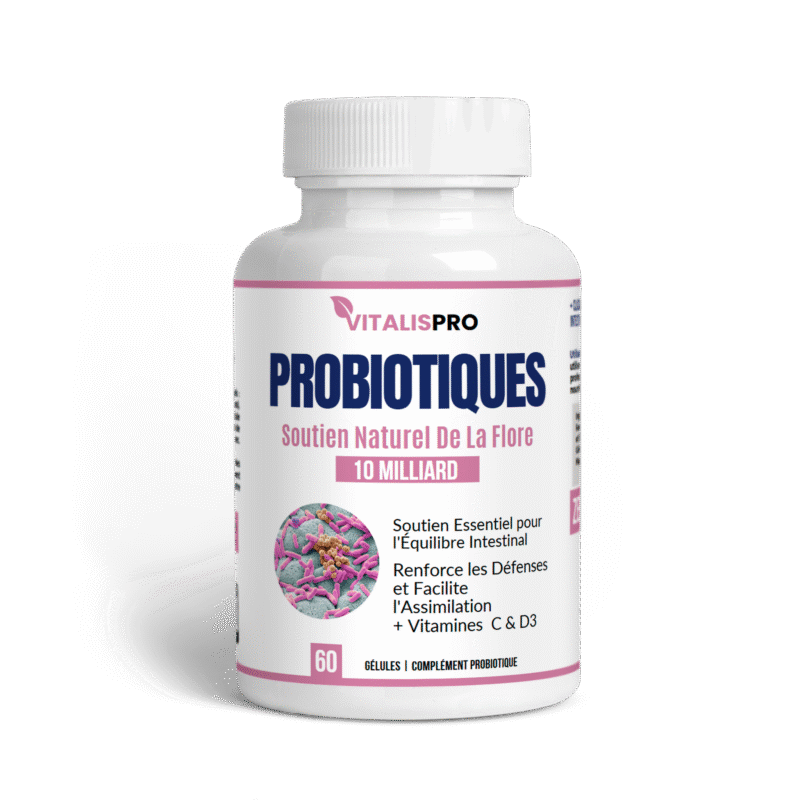
Alphavital has formulated a product that brings together the essentials in one simple daily step: 10 billion live cultures (10 billion CFU), paired with prebiotics that nourish them, and complemented by vitamins C and D3. This combination is not arbitrary. Vitamin C and vitamin D contribute to the normal function of the immune system — a benefit recognised by the European Food Safety Authority, as recorded in the EFSA health claims register6.
Every batch is tracked and analysed, and the dosages respect the framework set by regulatory authorities. Alphavital recommends taking two capsules per day, ideally in the morning on an empty stomach with a large glass of water: one 60-capsule pack provides a full month’s course. Consistent daily use over several weeks supports the gradual rebalancing of gut flora. This formula is part of our Digestion & Immunity range, designed as a coherent whole.
A good probiotic formula is not just a number on the label. It combines dosed live cultures, prebiotics to feed them, and genuine traceability.
For those seeking broader digestive support, our team also suggests the Moringa & Probiotics programme, which pairs this combination with the nutritional richness of moringa. For building immune resilience across the seasons, our complete guide to supporting your natural defences extends this reading usefully, as does our reference guide on moringa.
Getting the Most From Probiotics: A Practical Guide
A few practical principles help avoid the most common mistakes and get the most from a course.
When and How to Take Them
Taking probiotics in the morning on an empty stomach is generally recommended: the stomach is less acidic at that time, allowing more live cultures to pass through. Take with a large glass of water. Consistency is above all: daily repetition over several weeks is what consolidates the benefits. The occasional missed dose does not undo progress; chronic inconsistency does.
How Long Should a Course Last
This depends on the goal. For accompanying a passing complaint, a few weeks is generally sufficient. For deeper maintenance, a cyclical approach — at each change of season, for example — makes sense. There is no universal magic duration: listening to your body is the best guide.
Precautions Worth Knowing
Probiotics are well tolerated by the vast majority of people. That said, some precautions apply. In the case of pregnancy or breastfeeding, chronic illness, a compromised immune system, or ongoing medication, a healthcare professional should be consulted before starting. At the beginning of a course, mild bloating or gurgling may appear; this generally subsides within days as the gut flora adjusts.
The accounts our team receives speak louder than any marketing message. Here are three testimonials, published with the consent of those who shared them.
After bronchitis and a course of antibiotics, my stomach was completely upside down. I supported recovery with a course, alongside a return to home cooking. Within three weeks, I had regained a comfort I had given up on. — Karim, Casablanca
I work night shifts, and my digestion paid the price. I went back to lben and lentils, and started a regular course. What struck me was the regularity that came back — nothing dramatic, just a simpler daily life. — Salma, Rabat
At fifty-two, I fell ill at every change of season. This year I focused on my gut flora and my vitamins. I am not claiming anything miraculous, but winter was much calmer. — Abdelaziz, Marrakech
These accounts reflect a simple truth: the most consistent results come from combining plate and lifestyle choices — and, when needed, a well-chosen supplement. Have a question before you start? Our team responds directly via the Alphavital contact page.
Frequently Asked Questions About Probiotics and the Microbiome
What is the difference between probiotics and prebiotics?
Probiotics are live microorganisms — such as lactobacilli and bifidobacteria — that confer a benefit when consumed in adequate amounts. Prebiotics are indigestible fibres, such as inulin or FOS, that serve as food for those beneficial bacteria. The two are complementary: one plants the seeds, the other tends them.
How many live cultures should a probiotic supplement contain?
Counts are expressed in CFU (colony-forming units). Common formulas range from a few billion to tens of billions per dose. Alphavital’s formula delivers 10 billion live cultures, combined with prebiotics. The number itself is not everything: what matters is that the count is clearly stated, adequate, and guaranteed through to the expiry date.
Can probiotics be taken during antibiotic treatment?
Multiple bodies of evidence suggest a benefit from combining probiotics with antibiotic treatment to limit associated digestive discomfort. The golden rule remains to follow the guidance of the healthcare professional who prescribed the antibiotic, and to space out doses during the day. Supplements never replace medication.
When do the first effects of a course appear?
This varies from person to person. Many people notice improved digestive comfort after two to four weeks of consistent use. Regularity is decisive: benefits build through daily repetition, not over just a few days.
Do probiotics support immunity?
A substantial proportion of immune cells are located at the gut level, and the microbiome participates in training our natural defences. Maintaining a balanced gut flora therefore contributes to a better-regulated immune system. Alphavital’s formula combines live cultures with vitamins C and D3, which contribute to the normal function of the immune system according to European regulatory authorities.
What time of day should probiotics be taken?
Morning, on an empty stomach, with a large glass of water is generally recommended: stomach acidity is at its lowest at that point, which facilitates the passage of live cultures. Above all, what matters is consistency — at whatever time fits best into your daily routine.
Are there any contraindications?
Probiotics are generally well tolerated. As a precaution, anyone who is pregnant, breastfeeding, immunocompromised, managing a chronic illness, or on ongoing medication should seek advice from a healthcare professional before starting. Mild bloating at the beginning of a course is common and transient.
Conclusion
The gut microbiome is an organ in its own right — a quiet ally for digestion and immunity. We protect it first through what is on our plate: fermented foods from our culinary heritage, abundant prebiotic fibres, plant variety, and stress management. When a helpful boost is needed, a serious formula combining dosed live cultures, prebiotics, and genuine traceability takes on its full meaning. That is the path Alphavital has chosen — transparent, and faithful to the science.
Caring for your gut flora is not about following a trend. It is returning to sound nutritional instincts, informed by the latest research. And it may be one of the highest-return steps we can take for our overall wellbeing.
About the author. Houda Khaldi is an editorial nutrition advisor at Alphavital. She translates scientific research into clear, actionable principles for everyday life.
Disclaimer. The information presented here is for informational purposes only, based on referenced research (PubMed, EFSA, World Health Organisation). The Alphavital team is not composed of healthcare professionals. Consult a qualified healthcare professional before use, particularly if you are undergoing treatment, pregnant, breastfeeding, or managing a health condition. Food supplements do not replace a varied, balanced diet or a healthy lifestyle.
Sources and References
- Hill C. et al. — Expert consensus definition of probiotics (ISAPP). PubMed
- Gibson G. et al. — Expert consensus definition of prebiotics (ISAPP). PubMed
- Hempel S. et al. — Probiotics and antibiotic-associated diarrhoea, meta-analysis. PubMed
- Gut microbiome and immunity, systematic review. PubMed — PubMed Central
- Diet and microbiome diversity. PubMed
- Health claims register (vitamins C and D). EFSA
- Antibiotic resistance. World Health Organisation
