

The recurring stomach burn, that persistent acidity behind the breastbone after every meal, the heaviness that simply will not let go — behind a stubborn digestive discomfort there sometimes lurks a bacterium with an unsettling name: Helicobacter pylori. In Morocco, it is one of the most widespread micro-organisms in the human stomach. This article clearly explains what H. pylori is, how it connects to heartburn, gastritis and ulcers, what the research says, and how three natural supports — propolis, probiotics and moringa — can accompany digestive comfort as a complement to medical follow-up, never as a substitute for it.
There is a kind of discomfort many people know without quite having a word for it. That burning sensation rising from the stomach toward the chest after a rich meal, that acidity at first light, that heavy, bloated belly, those acid refluxes that interrupt sleep. People learn to live with it, spacing out the spicy dishes, keeping an antacid in the drawer. Yet sometimes, despite every effort, nothing helps: the discomfort returns season after season. And in a notable share of those situations, a quiet actor is waiting in the wings — a bacterium called Helicobacter pylori.
Its name sounds complicated; its story is fascinating. For decades, medicine was convinced that no microbe could survive in the brutal acidity of the stomach. Then two researchers proved the opposite, going so far as to swallow it themselves to make the case. Today we know that H. pylori colonises the stomach of a very large portion of the world’s population, and that it is even more prevalent in regions like ours. This article answers the questions so many Moroccans ask themselves: what is H. pylori, what is its link to my heartburn, and what can one do naturally, as a complement, to support the comfort of my stomach?
By Houda Khaldi, Editorial Advisor, Natural Nutrition · Updated 12 June 2026 · 19 min read
Contenu de la page
- 1 Key Takeaways
- 2 Helicobacter pylori: The Bacterium That Defies the Stomach
- 3 Heartburn, Gastritis, Ulcer: Where Is the Link?
- 4 Recognising the Signs: When to See a Doctor
- 5 Three Natural Supports as a Complement: What the Research Explores
- 6 Why Combine Propolis, Probiotics and Moringa
- 7 The Stomach in Morocco: A Real Need
- 8 How to Follow the Programme Correctly
- 9 The Alphavital Answer
- 10 Three Readers Share Their Experience
- 11 Frequently Asked Questions About H. pylori and Digestive Comfort
- 11.1 What exactly is Helicobacter pylori?
- 11.2 Is heartburn always caused by H. pylori?
- 11.3 Do propolis, probiotics or moringa treat H. pylori?
- 11.4 What does the Alphavital programme consist of?
- 11.5 How is the programme followed day to day?
- 11.6 Are there precautions or contraindications?
- 11.7 What quality controls does Alphavital apply?
- 12 In Summary
Key Takeaways
- Helicobacter pylori is a bacterium that colonises the stomach lining. It is extremely common, often silent, but can sustain an inflammation known as gastritis and, in some people, contribute to an ulcer.
- Heartburn, acidity, post-meal heaviness and bloating are among the discomforts frequently described, even though H. pylori is not always the sole cause.
- The diagnosis and treatment of H. pylori are the physician’s domain: only a healthcare professional can confirm its presence (breath test, analysis, endoscopy) and prescribe appropriate care.
- Natural supports — propolis, probiotics and moringa — are taken as a complement to medical follow-up, to accompany digestive comfort and microbiota balance, never as a treatment for the bacterium.
- Alphavital brings these three supports together in a dedicated digestive comfort programme: propolis 300 mg, probiotics 10 billion and moringa 400 mg, ONSSA-certified and designed for a three-month foundational routine.

Helicobacter pylori: The Bacterium That Defies the Stomach
To understand how a single bacterium can sustain heartburn for years, one must first appreciate the feat it pulls off. The stomach is a hostile environment, among the most acidic in the human body. That acidity serves a vital purpose: digesting food and neutralising most microbes we swallow. For a long time, the stomach was therefore believed to be sterile, impenetrable to any lasting microbial life.
H. pylori shattered that certainty. This spiral-shaped bacterium has several remarkable tricks. Using small flagella, it burrows into the mucus layer that protects the stomach wall, where acidity is lower. It also produces an enzyme that locally neutralises the acid around it, like a diver wrapping herself in an air bubble. Thus settled, it can persist for years — sometimes a lifetime — without the host ever knowing.
Where no microbe was thought able to survive, H. pylori made itself a refuge. Its discovery overturned decades of medical dogma about the stomach.
That discovery earned its authors the Nobel Prize in Medicine, so thoroughly did it overturn decades of dogma. It became clear that a large share of chronic stomach inflammations, and many ulcers long attributed to stress or diet, were in fact bacterial in origin. It is a captivating scientific story, and the depth of the public literature confirms it, as illustrated by this bibliographic search on Helicobacter pylori and gastritis indexed at PubMed1.
A Very Common Bacterium, Often Silent
One essential point deserves stating plainly: most people carrying H. pylori feel nothing at all. The bacterium can coexist with the organism for years without triggering the slightest symptom. It is only in a subset of carriers that it sustains enough inflammation to manifest as discomfort. This nuance is crucial: being a carrier does not mean being ill, and the decision to test or treat always belongs to a physician.
In Morocco, as in many countries with warm climates and close-knit households, H. pylori is particularly prevalent. Transmission occurs mainly during childhood, within the family, through shared utensils, water or close contact. This is why it is not unusual for several members of the same household to be affected. That reality explains the growing interest in the subject and the need for clear, honest information free of exaggerated promises.
Heartburn, Gastritis, Ulcer: Where Is the Link?
When H. pylori is discussed, three words recur and tend to blur together: heartburn, gastritis, ulcer. They describe different but related realities, and distinguishing between them is useful for understanding what is happening in the stomach and for speaking clearly with one’s physician.
Heartburn: A Symptom, Not a Disease
Heartburn is a sensation, not a diagnosis. It is that impression of warmth, acidity or burning behind the breastbone, often after meals, sometimes worse lying down. It can come with acid reflux, a bitter taste in the mouth, heaviness or bloating. Many factors can trigger it: overly large meals, very spicy or fatty dishes, coffee, tobacco, stress or difficult digestion.
H. pylori is therefore far from the only cause of heartburn. But when it sustains inflammation of the lining, it can make the stomach more sensitive and favour this type of discomfort. That is why, faced with persistent or recurring heartburn, a physician may look for the bacterium among other possibilities. The symptom draws attention; the diagnosis requires examination.
Gastritis: Inflammation of the Lining
Gastritis refers to inflammation of the mucosa, the layer that lines the inside of the stomach. When H. pylori takes up long-term residence, the body reacts to its presence, and that immune response sustains chronic inflammation of the lining. It is one of the most common causes of gastritis in the world. The irritated mucosa becomes more fragile and sensitive to acidity, which can translate into pain, discomfort in the upper abdomen, nausea or difficult digestion.
Heartburn, gastritis, ulcer: a symptom, an inflammation, a lesion. Three rungs of one story that only a physician can tell apart.
Not all gastritis is caused by H. pylori, and not all carriers develop symptomatic gastritis. But the link is well enough established for the bacterium to be sought when inflammation is confirmed. Supporting digestive sphere comfort then involves several complementary levers, including careful nutrition and, where appropriate, targeted support for microbiota balance — a field our team also explores in its page on digestion, immunity and microbiome balance.
The Ulcer: When the Lining Erodes
The ulcer is the most serious stage of this story. It is a genuine wound — a loss of substance in the wall of the stomach or the beginning of the small intestine (the duodenum). When inflammation is prolonged and the natural defences of the mucosa are overwhelmed, the lining can erode. An ulcer typically causes more marked pain, sometimes rhythmic with meals, and requires medical care without fail.
One can see why caution is imperative. An ulcer is not a matter for self-medication or dietary supplements: it is a situation that falls to the physician and, most often, calls for a specific treatment. The role of a natural approach here can only be to accompany comfort within the framework set by the healthcare professional, never to substitute for it. We draw that boundary clearly and never cross it.


Recognising the Signs: When to See a Doctor
First, a simple marker: it is the physician who makes the diagnosis, not an article or a home test. But knowing which signs should prompt attention helps one seek help at the right moment rather than letting a settling discomfort drag on. Here are the manifestations most often described by those affected.
- Burning and acidity behind the breastbone, especially after meals or when lying down.
- Heaviness or pain in the upper abdomen, sometimes tied to mealtimes.
- Bloating, slow digestion, a feeling of fullness that comes too quickly.
- Nausea or a loss of appetite that persists.
- Acid reflux and a bitter taste in the mouth.
These signs are not specific to H. pylori: they can have many other causes. That is precisely why consulting a physician is better than guessing. Above all, certain signals demand immediate medical attention: intense pain, repeated vomiting, the presence of blood, unexplained weight loss, or black stools. In the face of such signs, one must not wait or try a supplement — seeing a doctor promptly is the only right course.
A supplement accompanies comfort. It makes no diagnosis, replaces no treatment and never dispenses with the consultation that an honest reading of one’s symptoms demands.
Diagnosis Belongs to the Physician
Confirming the presence of H. pylori requires a precise examination carried out or prescribed by a healthcare professional. Several methods exist: a urea breath test, a stool antigen test, a blood analysis, or an endoscopy with tissue sampling when the situation warrants it. The choice of method, the interpretation of results and the decision to treat belong to the physician, who considers the full clinical picture.
Similarly, when treatment is necessary, it rests on a medical prescription and a protocol tailored to each individual. A natural approach never conflicts with this framework: it can only, in agreement with the healthcare professional, accompany everyday digestive comfort. It is in this spirit, and only in this spirit, that the natural supports presented below find their proper place.
Three Natural Supports as a Complement: What the Research Explores
Once this framework is clearly established, one can speak calmly about natural supports. The idea is never to “fight” the bacterium or “cure” anything: such formulations are to be avoided, and we set them aside without reservation. The idea is to accompany the comfort of the digestive sphere and support a balanced environment, within a sound lifestyle and medical follow-up. Three ingredients recur in this context, each for different reasons: propolis, probiotics and moringa.
Propolis: The Terrain of Natural Defences
Propolis is the resin that bees elaborate to cleanse and protect their hive. It is naturally rich in flavonoids and phenolic compounds — families of antioxidants that are extensively studied. In the context of the digestive sphere, propolis interests researchers, and the public literature on the subject is substantial, as shown by this bibliographic search on propolis and Helicobacter pylori indexed at PubMed2.
It must be said plainly: the existence of exploratory research does not equate to a proven health claim, and no recommended claim is authorised for propolis. What one can honestly state is that it is studied for its role in supporting natural defences, including at the level of the digestive sphere, and that tradition has employed it in this sense for a very long time. Our team therefore presents it as a possible support, never a remedy. For those wishing to explore this ingredient on its own, Alphavital also offers a propolis dedicated to immunity and vitality.
Probiotics: Microbiota Balance
Probiotics are live micro-organisms that, in sufficient quantities, participate in the balance of the gut flora — what is also called the microbiota. The stomach and intestines harbour an ecosystem of friendly bacteria whose balance plays a recognised role in digestive comfort. When this balance is disrupted by diet, stress or treatment, a supply of probiotics can help restore it.
This is one of the most thoroughly documented fields in nutrition, and the interest of probiotics for gut flora is widely explored in the literature, as illustrated by this meta-analysis on probiotics and the digestive microbiota indexed at PubMed3. In the context of gastric discomfort, probiotics are often considered as an accompaniment, to support a balanced environment during and after medical care. Our team devotes a dedicated page to probiotics and microbiome balance for those who wish to go deeper.
A balanced microbiota is an ally of digestive comfort. Probiotics treat nothing, but they support that environment every day.
Moringa: Nutritional Richness
Moringa, nicknamed the “tree of life,” is a plant whose leaves concentrate remarkable nutritional density: vitamins, minerals, antioxidants and plant proteins. In the context of a persistent digestive discomfort, the body is often fatigued, appetite may be reduced, and a foundational supply of nutrients takes on full meaning for supporting overall vitality. The nutritional richness of moringa is extensively documented, as attested by this bibliographic search on the nutritional value of Moringa oleifera indexed at PubMed4.
Moringa makes no claim here regarding the bacterium itself: its role is nutritional and oriented toward foundational vitality, making it a coherent complement to the trio rather than a central actor. It is this nutritional-supply rationale that our team highlights, and that one also finds in its anti-fatigue programme with ginseng, spirulina and moringa. Bringing together a terrain of defence, a terrain of flora and a terrain of vitality is precisely the logic of the programme presented here.
Why Combine Propolis, Probiotics and Moringa
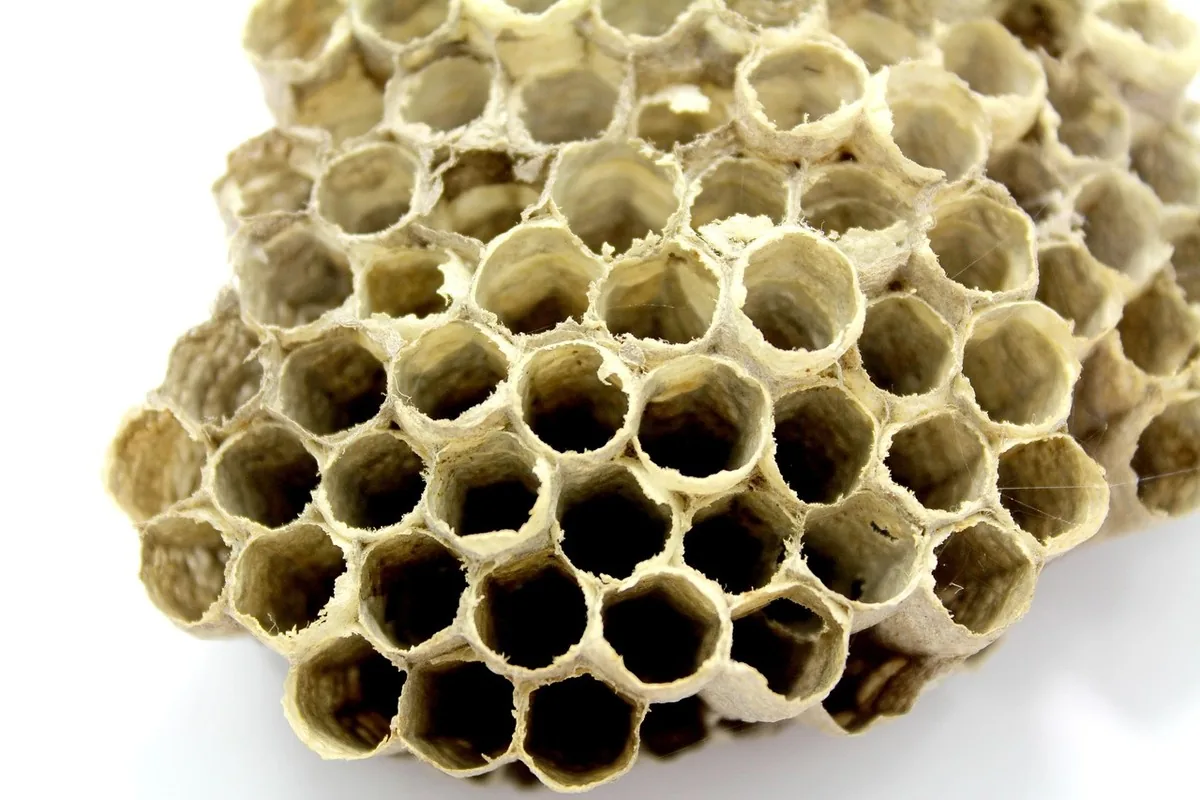
One might wonder why to combine these three ingredients rather than take them separately. The answer lies in the logic of their terrains, which do not overlap but complement one another. Rather than stacking promises, the idea is to cover three facets of a single objective: accompanying the comfort of a digestive sphere under strain, within a sound lifestyle.
| Natural Support | Origin | Terrain Accompanied |
|---|---|---|
| Propolis 300 mg | Hive resin, rich in flavonoids | Natural defences of the digestive sphere |
| Probiotics 10 billion | Live micro-organisms | Gut microbiota balance |
| Moringa 400 mg | Leaves of the “tree of life” | Vitality, foundational nutritional supply |
These three actives do not compete: each illuminates one facet of digestive comfort. Propolis works on the terrain of defences, probiotics on the terrain of flora, moringa on the terrain of nutritional vitality. Together, they respond to a reality many people live with when facing persistent gastric discomfort: feeling at once irritated, imbalanced and fatigued. It is this complementarity — not a promise about the bacterium — that justifies combining them.
A terrain of defence, a terrain of flora, a terrain of vitality. The trio fights nothing: it accompanies comfort, as a complement to care.
A Programme Designed for Duration, as a Complement
One condition governs everything else. These supports are not last-minute solutions to be reached for when the burning becomes unbearable. Like most foundational approaches, they find their meaning in duration: they are envisaged as a course, over several weeks, ideally within a regular routine and medical follow-up. It is this regularity — not intensity — that establishes the sought foundational support.
Our team often repeats: a supplement works by accompanying the organism, not by forcing it. It replaces neither a diagnosis, nor a prescribed treatment, nor an appropriate diet, nor stress management. It fits into a whole, as one support among others. This honesty of framing is, in our view, the mark of a trustworthy brand, and we do not compromise on it.
The Stomach in Morocco: A Real Need
Why this marked Moroccan interest in digestive comfort and H. pylori? The answer rests on several realities. First, the bacterium is particularly prevalent in our region, owing to early family-based transmission. Then there is lifestyle: meals that are sometimes hearty and rich, coffee, tobacco, irregular schedules, the stress of big cities, and those periods when one eats quickly and poorly — all factors that burden the stomach and make digestive discomfort so common.
A strong cultural dimension adds further weight. In Morocco, honey and hive products, plants and foundational remedies occupy an ancient and respected place in family pharmacopoeia. Propolis, moringa and the idea of naturally supporting the gut fit naturally into this sensibility. Many people seek a simple, prescription-free support for what falls under the heading of comfort — faithful to that heritage while meeting modern demands for quality and traceability.
A Support, Not a Magic Wand
Let us be clear about a point our team repeats endlessly. These natural supports are not medicines, and they do not correct on their own a lifestyle that harms the stomach. However extensively studied they may be, they replace neither the diagnosis, nor the potential treatment of H. pylori, nor a soothing diet, nor stress management, nor medical advice when it is called for — which is always, the moment discomfort persists or causes concern.
This is also what health authorities state: a food supplement does not replace treatment or a balanced diet. That framework is well summarised in the ANSES dossier on food supplements5. The triple programme is a support, a prop — not a effective solution. That nuance makes all the difference between an honest discourse and an empty promise.

How to Follow the Programme Correctly
A few practical markers prevent the most common mistakes and make it possible to get the most from a foundational course. Proper use matters as much as the quality of the products themselves, and it always begins with a respected medical framework.
Dosage of the Triple Programme
The Alphavital programme brings together three supplements, each with its own rhythm. For the probiotics 10 billion, the dose is split: one capsule in the morning before breakfast and one in the evening before bed. For the propolis 300 mg, one capsule with each main meal, three per day. For the moringa 400 mg, one tablet with each main meal, also three per day. All taken with a large glass of water, following the usage instructions on each pack and never exceeding the recommended dose.
How Long Does a Course Last
Like most foundational approaches, these supports make sense over time. Our team recommends a three-month commitment to sustainably accompany digestive comfort. That is the time needed for a routine to bed in and for the environment to be supported consistently. There is no universal magic duration: listening to one’s body and, above all, the advice of the healthcare professional following the situation remain the best guides.
Precautions to Know
Here are the important points. Propolis and bee products can cause allergic reactions in sensitive individuals, sometimes serious: in case of known allergy to bee products or pollen, this programme is not recommended, without exception. The programme is also not advised for pregnant or breastfeeding women.
Above all — and this is the central point of this article — in the event of persistent digestive symptoms, marked pain, or ongoing treatment, the advice of a healthcare professional is essential before starting and throughout the course. This programme accompanies comfort; it does not replace the diagnosis or treatment of H. pylori. Authorities underline the importance of mindful use of supplements, a framework detailed in the ANSES dossier on food supplements5.
The Alphavital Answer
The physician’s advice, diet and lifestyle first — always. But when a natural support makes sense, as a complement, it still requires a serious formulation. That is precisely the philosophy that guided our team’s work on this programme dedicated to digestive comfort.
The Triple Programme, Full-Dosed and Traceable
Alphavital brings together in one protocol a full-dosed propolis at 300 mg, probiotics at 10 billion and moringa at 400 mg. Two requirements shaped its design: quality raw materials and clear, consistent dosages — no marketing hyperbole and no recommended promise. The programme holds ONSSA authorisation, and each batch is checked before packaging for consistent quality from one bottle to the next.
By dosing each active at its full strength, Alphavital lets you know precisely what you are taking: no blurry blend, no token dosage hidden behind a pretty name. This formulation sits within a holistic approach to digestive comfort, conceived as a coherent support within a sound lifestyle and respected medical follow-up.
Good natural support is not summed up by a name on a label. It brings together quality raw material, a controlled dosage and an honest discourse.
The feedback our team receives is worth more than any speech. Here are three testimonials, shared with their authors’ consent, all of which remind us of the same thing: the supplement comes in support of medical follow-up, never in its place.
After months of acidity, I consulted my doctor first, as advised here. Alongside the follow-up, I worked the programme into my meals. Without claiming a effective, I feel more at ease day to day and more regular in my digestion. — Khalid, Rabat
What I appreciated was the simplicity: one protocol for three supports, instead of juggling three bottles and three schedules. I am keeping it up over time, and I kept my medical appointment alongside it. — Nadia, Marrakech
I felt drained and bloated constantly. I chose this programme to accompany my routine, on top of lighter eating and my medical follow-up. Three months later, I feel more settled, without forcing anything. — Hamza, Agadir
These accounts illustrate a simple truth: the most lasting results come from combining medical follow-up, lifestyle and, where useful, a well-chosen supplement. A question before starting? Our team answers directly via the Alphavital contact page.
Frequently Asked Questions About H. pylori and Digestive Comfort
What exactly is Helicobacter pylori?
Helicobacter pylori is a spiral-shaped bacterium that colonises the mucus layer of the stomach. Very widespread, it is often silent, but it can sustain inflammation of the lining (gastritis) and, in some people, contribute to an ulcer. Its presence is confirmed only by a medical examination (breath test, analysis, endoscopy). Diagnosis and treatment are always the physician’s responsibility.
Is heartburn always caused by H. pylori?
No. Heartburn is a symptom with many possible causes: copious meals, spicy dishes, coffee, tobacco, stress, difficult digestion. H. pylori may contribute to it when it sustains inflammation, but it is not the only cause. Faced with persistent heartburn, only a physician can investigate the bacterium and establish a diagnosis.
Do propolis, probiotics or moringa treat H. pylori?
No, and this is essential to understand. These natural supports make no claim to treat the bacterium or to replace a treatment. Propolis is studied for supporting natural defences; probiotics participate in microbiota balance; moringa provides nutrients for vitality. They are taken as a complement only, to accompany digestive comfort, within a framework of medical follow-up.
What does the Alphavital programme consist of?
The programme brings together three complementary supplements: propolis 300 mg, which supports the natural defences of the digestive sphere; probiotics 10 billion, which participate in microbiota balance; and moringa 400 mg, which provides nutrients for vitality. Three actives, one daily protocol, ONSSA-certified.
How is the programme followed day to day?
Probiotics: one capsule in the morning before breakfast and one in the evening before bed. Propolis: one capsule with each main meal (three per day). Moringa: one tablet with each main meal (three per day). A three-month commitment is advised, drinking adequate water and not exceeding the dose indicated on each pack.
Are there precautions or contraindications?
Yes. Propolis and bee products can cause allergic reactions: in case of known allergy, this programme is not recommended. It is also not advised for pregnant or breastfeeding women. Above all, in case of persistent symptoms, marked pain or ongoing treatment, a healthcare professional’s advice is indispensable before and during the course. Do not exceed the recommended dose; keep out of reach of children.
What quality controls does Alphavital apply?
Programme products hold ONSSA authorisation, raw materials are traceable and each batch is checked before packaging, for consistent quality from one bottle to the next. That rigour is what separates a good natural support from a simple blend with no standards.
In Summary
Helicobacter pylori is a very widespread stomach bacterium — often silent, but capable of sustaining lining inflammation (gastritis) and, in some people, contributing to an ulcer. Heartburn, acidity, heaviness and bloating are among the discomforts frequently described, without the bacterium always being the sole cause. Diagnosis and treatment belong exclusively to the physician, and it is with the physician that everything must begin.
Within that framework, and only within that framework, three natural supports can accompany digestive comfort: propolis for natural defences, probiotics for microbiota balance, moringa for nutritional vitality. The scientific leads are real but often exploratory, and they express themselves as a complement to medical follow-up, never as a replacement. Quality makes all the difference: serious raw materials, controlled dosages at 300 mg, 10 billion and 400 mg, ONSSA authorisation and batch-by-batch control separate a good programme from a blurry blend. That is the path Alphavital has chosen, with a transparent approach faithful to what research says — and to what it does not yet say. Taking care of your stomach is not following a trend: it is a foundational investment in your wellbeing, pursued hand in hand with your physician.
About the author. Houda Khaldi is Editorial Advisor, Natural Nutrition at Alphavital. She translates scientific research into clear, actionable markers for everyday life in Morocco.
Disclaimer. The information presented is provided for indicative purposes, based on sourced research (PubMed, ANSES) and health authorities. The Alphavital team is not composed of healthcare professionals. Helicobacter pylori is a medical matter: its diagnosis and treatment fall exclusively to a physician. Propolis, probiotics and moringa hold no authorised recommended health claim and do not treat H. pylori, gastritis or ulcers; they are taken solely as a complement to accompany digestive comfort. Bee products can cause allergic reactions: in case of known allergy, their use is not recommended. Consult a qualified healthcare professional before any use, in the event of persistent symptoms, ongoing treatment, pregnancy, breastfeeding or any medical condition. Food supplements do not replace a varied, balanced diet or a healthy lifestyle.
Sources and References
- Public scientific literature on Helicobacter pylori and gastritis: colonisation, lining inflammation, clinical context. PubMed — US National Library of Medicine
- Public scientific literature on propolis and Helicobacter pylori: flavonoids, phenolic compounds and the digestive sphere. PubMed — US National Library of Medicine
- Meta-analysis on probiotics and the digestive microbiota: interest for microbiome balance. PubMed — US National Library of Medicine
- Public scientific literature on the nutritional value of Moringa oleifera: vitamins, minerals, antioxidants. PubMed — US National Library of Medicine
- Food supplements: regulatory framework, markers and precautions for use. ANSES — French Agency for Food Safety
