


Berberine is attracting growing interest among Moroccan families concerned about blood sugar and weight management. This plant alkaloid, extracted from herbs used for centuries, is the subject of serious scientific research on glucose metabolism. Here is what the studies actually say, how a proper course works, and how Alphavital supports you in regaining everyday balance.
There is a moment many Moroccans know well. The plate of pastries passed around after a family feast. The sweetened mint tea that cannot politely be refused. White bread with every dish. And then one day, a troubling number on a lab report, a rising blood sugar reading, or weight that simply will not budge. When that happens, one name keeps surfacing in conversations and on social networks: berberine.
This natural compound is no passing trend. Traditional Chinese medicine and Ayurvedic pharmacopoeia have used these plants for more than two thousand years. What is new is the attention of modern science. For roughly fifteen years, rigorous clinical trials have measured berberine’s effects on blood sugar, weight and blood lipids. In Morocco, where type 2 diabetes is advancing at a worrying pace, interest in berberine grows every month — and our nutrition team fields dozens of questions about it.
In this complete guide we have assembled the essentials: what berberine is, how it works, what the evidence genuinely shows, how to undertake a serious course, and what precautions to observe — all in plain language, faithful to the research.
By Houda Khaldi, Editorial Advisor in Natural Nutrition · Published 5 August 2026 · 18 min read
Contenu de la page
- 1 Key Takeaways
- 2 What exactly is berberine?
- 3 How berberine acts on blood sugar
- 4 What the studies actually show
- 5 Berberine and chromium: the rationale for a synergy
- 6 The Moroccan context: why this matters here
- 7 How to run a berberine course
- 8 The Alphavital response
- 9 Precautions and contraindications
- 10 Three readers share their experience
- 11 Frequently asked questions about berberine
- 11.1 Does berberine lower blood sugar?
- 11.2 What daily dose of berberine should be taken?
- 11.3 When should berberine be taken — before or after eating?
- 11.4 How long does it take for berberine to take effect?
- 11.5 Can berberine and chromium be combined?
- 11.6 Does berberine have side effects?
- 11.7 Who should not take berberine?
- 11.8 What is the price of berberine in Morocco, and what do users say?
- 12 In summary
Key Takeaways
- Berberine is a natural alkaloid extracted from plants such as Berberis (barberry). It is studied for its role in blood sugar balance and metabolic function.
- Several meta-analyses of clinical trials have observed a significant reduction in fasting blood glucose and glycated haemoglobin in people affected by glucose dysregulation.
- Its primary mechanism involves activation of a key metabolic enzyme called AMPK, sometimes referred to as the cell’s “energy switch”.
- A course must be built for the long term: split dosing with meals, consistency over several weeks, combined with a balanced diet and appropriate physical activity.
- Alphavital offers a Berberine 500 mg of verified quality, along with a berberine-plus-chromium duo and a metabolic balance pack — conceived as comprehensive support for blood sugar and weight management.
What exactly is berberine?
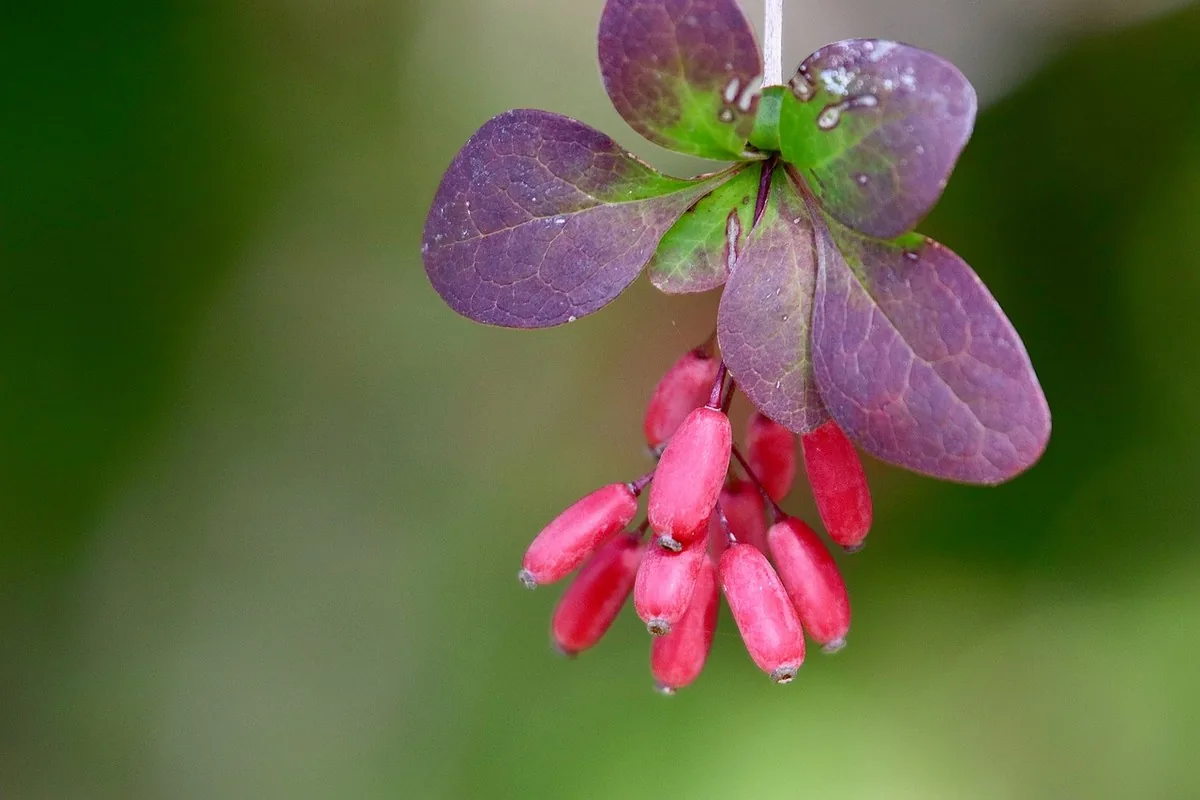
Let us start at the beginning. Berberine is a molecule belonging to the alkaloid family — the potent plant compounds also found in coffee (caffeine) and cinchona bark (quinine). Its intense yellow colour is its signature: it served as a natural dye long before anyone became interested in its metabolic properties.
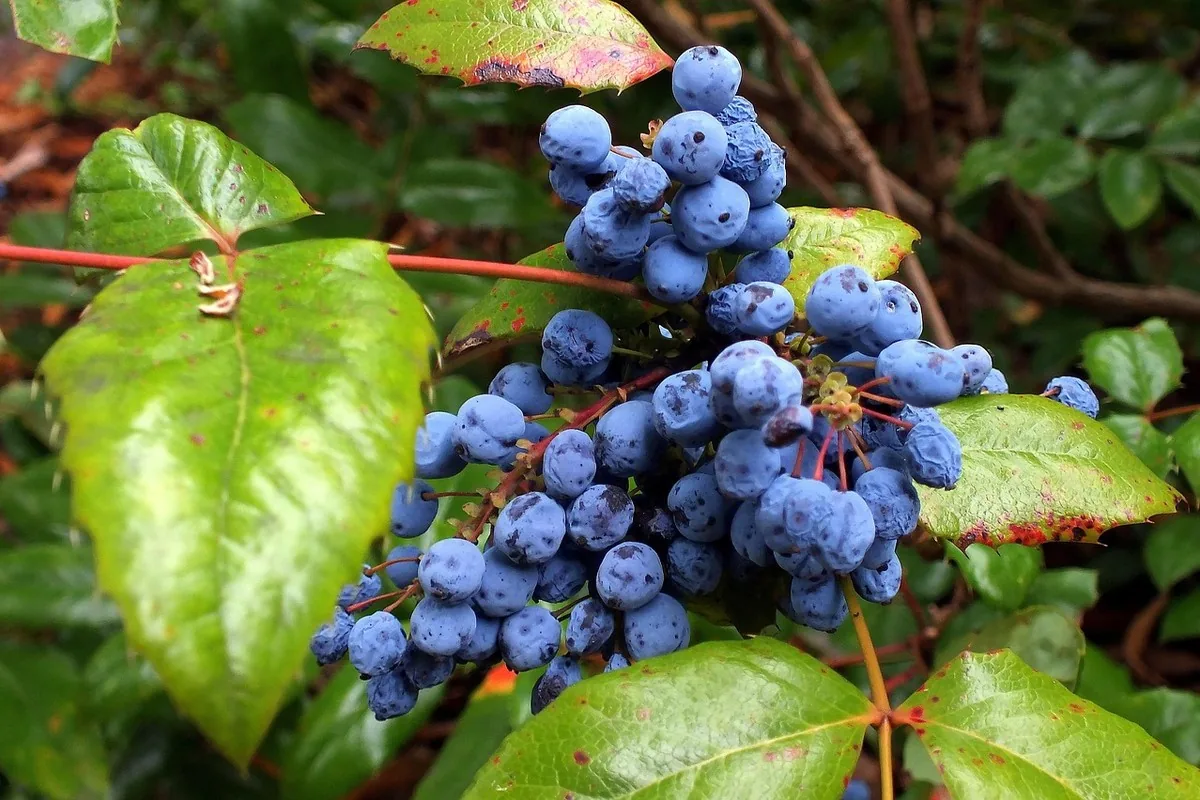
It is extracted from several traditional medicinal plants. The best known is barberry (Berberis vulgaris), a thorny shrub with red berries that grows around the Mediterranean basin, including in some mountainous regions of Morocco. Other sources include Chinese goldthread, Canadian goldenseal, and Indian tree turmeric. All share the same yellow active compound.
A history spanning several millennia
Long before modern laboratories, ancient medicine systems used these plants. In China, they were prescribed for digestive disorders and infections. In India, Ayurvedic pharmacopoeia attributed purifying properties to them. These ancestral uses are not scientific proof in themselves, but they drew the attention of modern researchers who wanted to verify what centuries of empirical observation suggested.
Why berberine commands such attention today
The real turning point came in the early 2000s. Research teams began measuring, in controlled trials, the effect of berberine on blood sugar in people affected by glucose dysregulation. The results were striking in their magnitude. A study published in a leading endocrinology journal documented improvements in glycaemic control and lipid profile, as detailed in this landmark clinical reference available on PubMed1. From that point, berberine moved out of the niche world of medicinal plants to become a research subject in its own right.

How berberine acts on blood sugar
This is where the story becomes genuinely compelling. To understand why berberine is of interest, it helps to pause for a moment on how the body manages glucose. After a meal, blood glucose rises. The pancreas releases insulin, the hormone that instructs cells to absorb glucose and convert it into energy. When this system works well, blood sugar quietly returns to baseline.
The problem arises when cells become less responsive to insulin — what is known as insulin resistance. The pancreas must produce ever-larger amounts of hormone to achieve the same effect, until it becomes exhausted. Blood sugar stays elevated, glucose accumulates, and the conditions for type 2 diabetes develop progressively. This is precisely the mechanism that attracted scientific attention to berberine.
AMPK: the cell’s energy switch
At the heart of berberine’s action sits an enzyme with a slightly technical name: AMPK (AMP-activated protein kinase). Think of it as a master switch that, when activated, tells the cell: “use your energy, burn glucose, manage your reserves”. Physical exercise naturally activates this switch. Berberine appears capable of stimulating it through a chemical pathway.
A landmark study published in the journal Diabetes demonstrated that berberine activates the AMPK enzyme, promoting cellular glucose uptake. This mechanism is described in detail in this foundational study indexed on PubMed2. In plain terms: berberine helps cells “listen” more attentively to the insulin signal and absorb glucose more efficiently.
Multiple pathways, not a single one
The effect is not limited to AMPK alone. Researchers have identified several complementary pathways. Berberine appears to reduce hepatic glucose production, slow the intestinal absorption of sugars, and even influence the composition of the gut microbiome — which is itself linked to metabolism. This multiplicity of mechanisms explains why its action is often described as “comprehensive” on glucose metabolism.
Berberine does not act as a single key in a single lock. It is more like a conductor adjusting several instruments of the metabolism at once.
The mechanism in one image
To visualise the dialogue between berberine, AMPK and glucose, this video explanation summarises the key lines of its action on metabolism and blood sugar.

What the studies actually show
Enthusiasm is one thing; evidence is another. Let us look, without exaggerating or minimising, at what clinical research has genuinely established about berberine. The good news is that the data are plentiful and increasingly robust.
Effects on fasting blood glucose and glycated haemoglobin
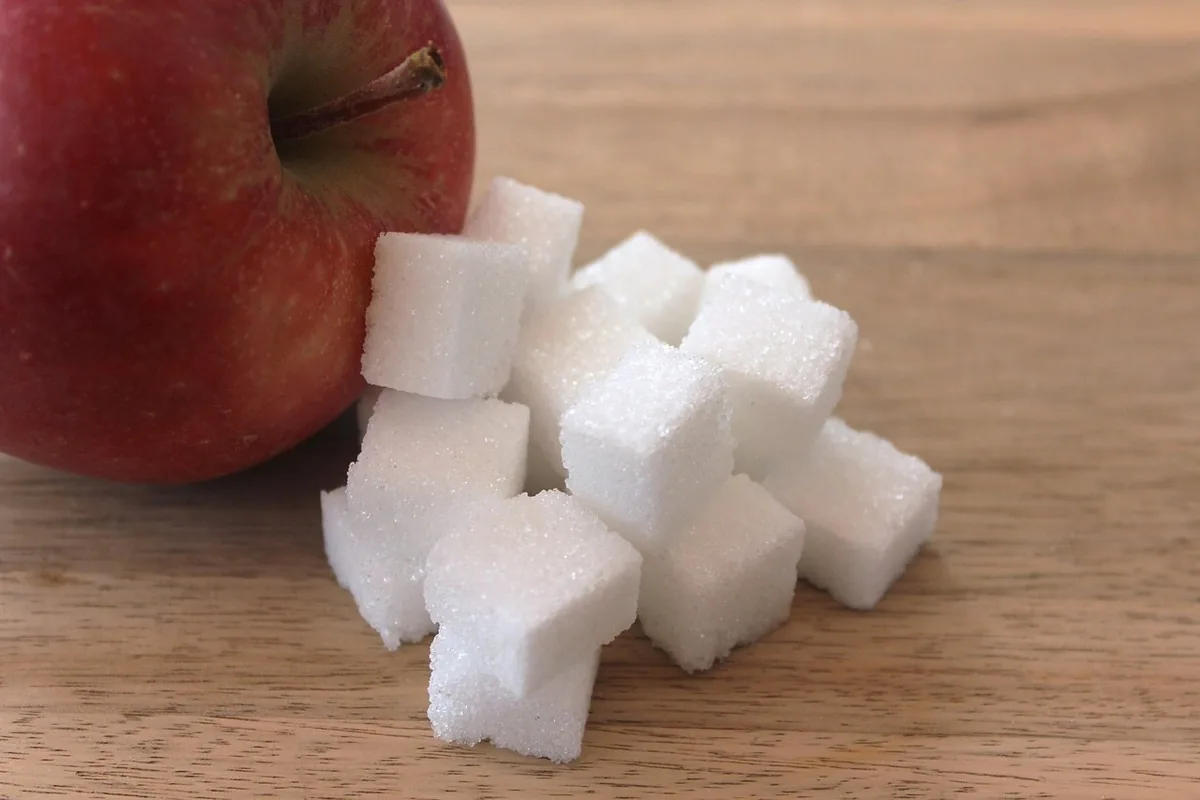
Several meta-analyses have pooled the results of dozens of clinical trials. A systematic review published in Endocrine Journal concluded that berberine was associated with a significant reduction in fasting blood glucose in people with type 2 diabetes, as reported in this meta-analysis indexed on PubMed3. Another review, published in an evidence-based medicine journal, reached convergent conclusions regarding fasting glucose, post-prandial glucose and glycated haemoglobin, as detailed in this analysis available on PubMed4.
Glycated haemoglobin — HbA1c — is a particularly valuable indicator: it reflects average blood sugar over the preceding two to three months. An improvement in this marker therefore signals a lasting effect, not merely a brief spike of activity. This is one of the arguments that makes berberine scientifically compelling.
Effects on lipids and body weight
Berberine’s interest extends beyond blood sugar. Several studies have measured its influence on cholesterol and triglycerides. A meta-analysis published in Planta Medica observed improvements in the lipid profile, including reductions in total cholesterol and triglycerides, as reported in this systematic review available on PubMed5. This dual effect — on both glucose and blood fats — explains why berberine is frequently associated with the concept of overall “metabolic balance”.
On body weight, the data are more modest but consistent: a slight reduction in waist circumference and fat mass has been observed in some trials, likely linked to the improvement in insulin sensitivity. Berberine is not a effective fat-burner. It is metabolic support that fits within a broader lifestyle approach.
Keeping a clear head
Honesty matters here. The majority of these studies cover periods of a few months, sometimes with limited sample sizes. Researchers call for larger, longer trials. Above all, berberine is not a medicine and in no way replaces a prescribed treatment. Mainstream health references, such as the berberine entry on Vidal8, also remind readers to seek medical advice before taking it. Anyone managed for diabetes must consult their healthcare provider before introducing any supplement, as interactions with treatment are possible. This prudence does not diminish the compound’s interest — it simply places it in its proper context: serious support, not a magic solution.

Berberine and chromium: the rationale for a synergy
Among the most studied combinations is berberine paired with chromium. This trace mineral, present in the body in minute quantities, plays a recognised role in macronutrient metabolism. The European Food Safety Authority has validated an official claim: chromium contributes to normal macronutrient metabolism and to the maintenance of normal blood glucose concentrations. This recognition appears in the health claims register of the EFSA6.
The logic of combining both is straightforward. Berberine contributes its action on AMPK and insulin sensitivity. Chromium supports glucose metabolism from a complementary angle, backed by a recognised regulatory claim. Together they cover a broader spectrum than either does alone. This complementarity is precisely what Alphavital chose to deliver in a dedicated formulation.
Why waist circumference is a signal worth watching
In Morocco, growing sedentariness and shifts in dietary patterns have made waist circumference a key health indicator. Excess abdominal fat is often the first visible sign of nascent insulin resistance — the body sending a silent message before blood sugar even starts to climb. Acting early, through diet, activity and well-chosen metabolic support, makes sound sense. Berberine combined with chromium finds its natural place as a complement to an overall healthy lifestyle.
The Moroccan context: why this matters here
Berberine is not a distant laboratory curiosity. It speaks to a very concrete Moroccan reality. Lifestyles have shifted faster than dietary habits can follow, and metabolism often pays the price.

A diet rich in fast-release carbohydrates
White bread at every meal, semolina, honey-drenched pastries, sweetened tea several times a day: the Moroccan table, as wonderful as it is, is generous with high-glycaemic carbohydrates. These foods drive blood glucose up rapidly and, over time, place intense demands on the pancreas. This is not a question of blame but of awareness. Rebalancing the plate is always the first step.
Urban sedentariness
In large cities, cars have replaced walking, lifts have replaced stairs, and desk-bound work immobilises people for entire days. Yet physical activity is the most natural way to activate that AMPK enzyme and improve insulin sensitivity. Moving more is, and will always remain, the primary lever. Berberine is a complement to an active lifestyle — never a substitute for it.
Ramadan: a particular metabolic transition
The month of Ramadan fundamentally disrupts eating rhythms. Daytime fasting followed by an iftar often rich in sugars and fats places metabolism under stress. Many people observe swings in blood sugar and a paradoxical weight gain during this period. For those monitoring their glucose, extra vigilance and appropriate support are warranted — always under the supervision of a healthcare professional when treatment is ongoing.
Celebrating culinary heritage without a blood sugar penalty
The good news is that Moroccan cuisine also conceals precious allies. A vegetable and legume tagine, rich in dietary fibre, naturally slows sugar absorption and sustains satiety. Traditional spices — cinnamon above all — are actively studied for their potential influence on blood sugar. The goal is not to renounce our culinary heritage but to rebalance it: more vegetables and protein, less white bread and added sugar, olive oil rather than refined fats. On this favourable ground, support like berberine comes fully into its own.


How to run a berberine course
Let us get practical. A berberine course is not something to improvise. Its success rests on three straightforward principles: the right dose, the right timing, and above all consistency over time.
Dosage, concentration and splitting per capsule
In most clinical studies, berberine was used at a rate of 1,000 to 1,500 mg per day, split into two or three doses. This splitting is not a minor detail. Berberine has a short half-life in the body: taken all at once, its effect fades quickly. Distributed across the day, it accompanies meals — the moments when blood sugar rises. This is why taking it with the main meals of the day is generally recommended.
Alphavital’s Berberine 500 mg is built around this logic: a clearly stated dose per capsule, easily distributed according to meals and each person’s routine.
When and how to take it
The best moment is just before or during a meal, with a large glass of water. Berberine then accompanies the arrival of dietary sugars. Some people feel mild digestive discomfort in the first few days as the body adjusts. Starting with one dose daily and gradually increasing helps tolerance in most cases.

How long should a berberine course last?
This is undoubtedly the most important point, and the most widely misunderstood. Berberine does not act within days. The benefits observed in studies accumulate over several weeks of regular intake, generally between eight and twelve weeks. A serious course is therefore measured in months, not days. This is why Alphavital offers formats designed for sustained use, such as a three-month supply.
The table below summarises the practical benchmarks of a course, as they emerge from study protocols. These are general guidelines to be adapted with a healthcare professional.
| Parameter | Practical guideline |
|---|---|
| Daily dosage | 1,000 to 1,500 mg, i.e. 2 to 3 capsules of 500 mg |
| Splitting | Distributed across the main meals of the day |
| Timing | Just before or during a meal, with a large glass of water |
| Course duration | Minimum 8 to 12 weeks for established effects |
| First markers | Often perceptible after 4 to 8 weeks of consistent intake |
| Useful pairing | Controlled-glycaemic diet + regular physical activity |
A video illustrating the effect on blood sugar
This video offers a comprehensive guide to berberine: its mechanisms of action, effects on blood sugar and cholesterol, dosages and precautions, illustrated with botanical representations of the plant.
The Alphavital response
As enthusiasm for berberine has grown, the market has filled with products of wildly varying quality. Alphavital made a different choice: to offer a serious berberine at a clearly stated dose, embedded in a range designed for metabolic health.
A range built around blood sugar
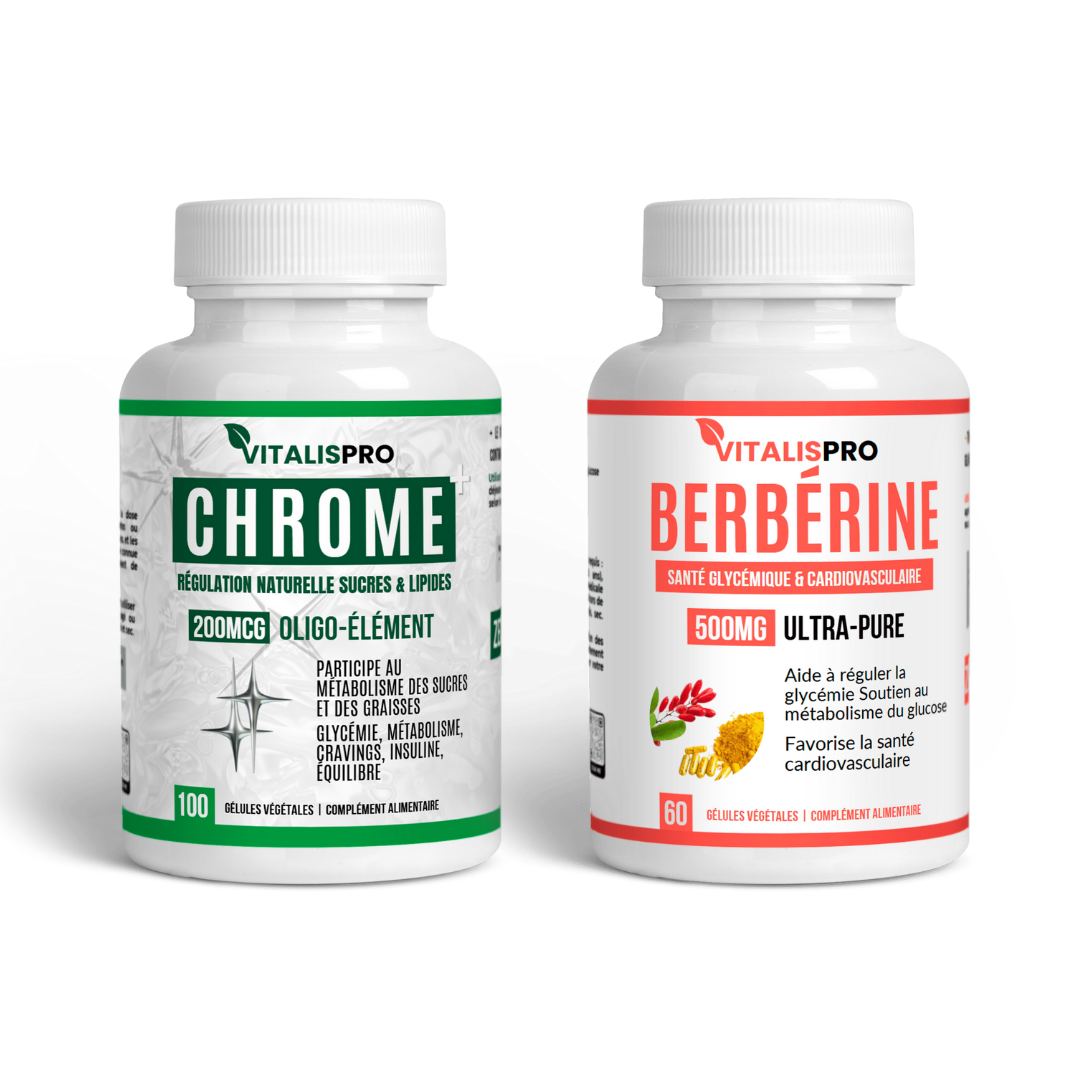
Alphavital has designed three complementary responses. Berberine 500 mg for those who want the active compound alone, adjusted within the recommended limit. The Berberine & Chromium duo, which adds the recognised health claim of chromium on blood glucose. And the Metabolic Balance Pack, which brings together berberine, chromium and moringa for an even more comprehensive approach to blood sugar and weight. Each person can thus find the format suited to their situation.
To explore the full range, our dedicated category gathers all our solutions: Blood Sugar & Metabolism. And for further reading on related topics, our guides on moringa in Morocco and on managing stress and sleep — two factors that also influence blood sugar — make a valuable complement to this article.
Transparency as a founding principle
Quality berberine begins with knowing the exact dose per capsule and its traceability. Alphavital clearly states the content of each capsule and maintains quality oversight batch by batch. This rigour, more than any slogan, is what makes it possible to run a serious, reproducible course from one bottle to the next.
Precautions and contraindications
Berberine is a potent active compound — and that is precisely why it deserves to be treated with care. A few precautions are essential.
Situations that require medical advice
Berberine is not recommended during pregnancy or breastfeeding. It should also be avoided in infants and young children. Anyone following treatment for diabetes must seek the advice of their healthcare provider before taking it, as the combination could accentuate the lowering of blood glucose. The same applies when taking other medications, since berberine may interact with their metabolism. These reservations are in keeping with the opinion of Anses on berberine-containing food supplements7, which recommends excluding these products in children, pregnant or breastfeeding women, and calls for vigilance regarding drug interactions.
Possible adverse effects
At usual doses, berberine is generally well tolerated. The most common effects are digestive and transient: mild bloating, changes in bowel habits, or discomfort in the early days of a course. These tend to subside by splitting doses and increasing the amount gradually. As with any supplement, the stated doses should be respected and not exceeded.
A food supplement never replaces medical treatment or a balanced diet. It supports a healthy lifestyle — it does not replace it.
The golden rule
The feedback our team receives is more meaningful than any marketing speech. Here are three accounts, shared with the consent of their authors.
My doctor flagged a slightly elevated blood sugar. I revised my meals, cut back on white bread and added sugar, and paired this with a regular course. Three months later, my readings had improved, and those around me noticed my figure had become trimmer. — Naïma, Casablanca
What convinced me was the consistency. I take my capsules with every meal, like a reflex. A little discomfort at the start, then nothing. I feel more steady throughout the day, less prone to the mid-afternoon sugar cravings. — Younes, Fès
After Ramadan, my weight had gone up and my blood sugar had deteriorated. I relied on the duo with chromium alongside returning to a daily walk. I am not crying effective, but my waist has started to shrink — and that is very motivating. — Latifa, Rabat
These accounts illustrate a simple truth: the most durable results come from combining a rebalanced diet, regular movement and, when useful, a well-chosen support. A question before you start? Our team responds directly via the Alphavital contact page.

Frequently asked questions about berberine
Does berberine lower blood sugar?
Several meta-analyses of clinical trials have observed that berberine is associated with a reduction in fasting blood glucose and glycated haemoglobin in people with type 2 diabetes. It acts primarily by activating the AMPK enzyme and improving insulin sensitivity. Berberine is not a medicine, however: it supports a healthy lifestyle and never replaces a prescribed treatment.
What daily dose of berberine should be taken?
In most studies, berberine was used at 1,000 to 1,500 mg per day, split into two or three doses taken with meals. This splitting compensates for its short half-life. Alphavital’s Berberine 500 mg makes it easy to adjust the number of capsules according to meals and each person’s routine.
When should berberine be taken — before or after eating?
The recommended timing is just before or during a meal, with a large glass of water. Berberine then accompanies the arrival of dietary sugars — the moment when blood glucose rises. Daily consistency remains the most decisive factor for experiencing a benefit.
How long does it take for berberine to take effect?
The benefits observed in studies build progressively, generally over eight to twelve weeks of regular intake. Some markers may become perceptible after four to eight weeks. A berberine course is therefore measured in months rather than days, which explains the value of long-duration formats.
Can berberine and chromium be combined?
Yes — this is a well-studied and logical combination. Berberine acts on AMPK and insulin sensitivity, while chromium contributes to the maintenance of normal blood glucose concentrations and normal macronutrient metabolism — a health claim recognised by EFSA. Alphavital offers a Berberine & Chromium duo designed around this complementarity.
Does berberine have side effects?
At usual doses, berberine is generally well tolerated. The most common effects are digestive and transient: mild bloating or discomfort at the start of a course. Splitting doses and increasing gradually helps with tolerance. The stated doses should not be exceeded.
Who should not take berberine?
Berberine is not recommended during pregnancy or breastfeeding, or for infants and young children. Anyone taking medication, especially for diabetes, must consult their healthcare provider before starting it, as interactions are possible. The same caution applies in any chronic health condition.
What is the price of berberine in Morocco, and what do users say?
The price of berberine in Morocco varies depending on the dose and format. Alphavital’s Berberine 500 mg is offered in a 60-capsule box with clearly stated dosing and verified quality traceability per batch. Customer reviews in Morocco consistently highlight the value of regular intake, split across meals, over a course lasting several weeks. For format comparisons, the range also includes the Berberine & Chromium duo and the Metabolic Balance Pack.
In summary
Berberine is one of the best-documented natural compounds for glucose metabolism. Several meta-analyses converge: it is associated with improvements in fasting blood glucose, glycated haemoglobin and lipid profiles, through a multi-pathway mechanism whose centrepiece is activation of the AMPK enzyme. In Morocco, where a diet rich in fast-release carbohydrates and growing urban sedentariness put metabolism under strain, berberine addresses a genuine need.
But berberine is not a formula for shortcuts. It delivers its best within a comprehensive approach: a rebalanced diet, daily movement, a course pursued with regularity and patience, and the advice of a healthcare professional when treatment is ongoing. It is in this spirit that Alphavital offers its range — from Berberine 500 mg to the complete metabolic pack — guided by one simple principle: transparency and respect for the science.
About the author. Houda Khaldi is an Editorial Advisor in Natural Nutrition at Alphavital. She translates scientific research into clear, actionable guidance for everyday Moroccan life.
Disclaimer. The information presented is provided for informational purposes only, based on sourced research (PubMed, EFSA). The Alphavital team does not include healthcare professionals. Consult a qualified healthcare professional before any use, in case of ongoing treatment, pregnancy or breastfeeding, or any medical condition — particularly treated diabetes. Food supplements are not a substitute for a varied, balanced diet and a healthy lifestyle.
Sources and references
- Yin J. et al. — Treatment of type 2 diabetes and dyslipidaemia with berberine (clinical trial). PubMed
- Lee Y.S. et al. — Berberine activates AMPK (metabolic mechanism), journal Diabetes. PubMed
- Effects of berberine on blood glucose in type 2 diabetes, meta-analysis, Endocrine Journal. PubMed
- Berberine in the treatment of type 2 diabetes mellitus, systematic review and meta-analysis. PubMed
- Effects of berberine on blood lipids, systematic review and meta-analysis, Planta Medica. PubMed
- Health claims register — chromium and macronutrient metabolism / normal blood glucose. EFSA
- Opinion on the safety of berberine-containing plants in food supplements (excluded populations, drug interactions). Anses
- Berberine information sheet — food supplement, precautions and medical advice. Vidal
Food supplements do not replace a varied, balanced diet or a healthy lifestyle. The Alphavital team is not made up of healthcare professionals. Consult a qualified healthcare professional before use.
